
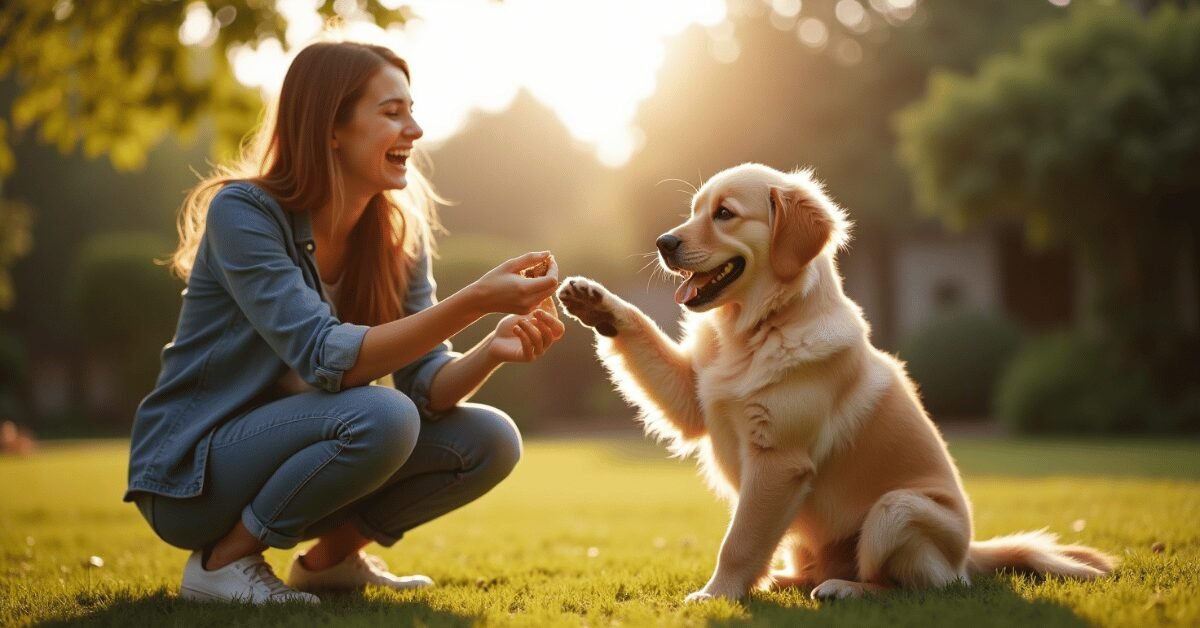
Mastering dog training basics sets the stage for a peaceful, respectful, and happy relationship between you and your pup. Think of training not as a chore but as a communication tool. When your dog understands what you expect, they feel secure, and you feel proud.
Training builds confidence, enhances your dog’s safety, reduces behavioural problems, and strengthens the human-animal bond. Proper training brings harmony to your household, whether your dog wags its tail at your command or responds calmly to strangers.
Table of Contents
Understanding Your Dog’s Mindset

Dogs Learn by Repetition and Rewards
Mastering dog training basics starts with understanding how dogs think. They thrive on routine and learn best through consistent, repeated actions. If a behavior earns them a treat, praise, or playtime, they will likely repeat it.
According to the American Kennel Club (AKC), positive reinforcement is the most effective and humane approach to dog training. This means rewarding good behavior instead of punishing the bad.
Body Language Speaks Loudly
Dogs don’t speak English, but they read your body language better than you think. Your tone, facial expressions, and posture affect how your pup interprets your commands. Keep your body relaxed and your tone upbeat to encourage trust.
Setting the Right Foundation

Start Early, But It’s Never Too Late
Mastering dog training basics early in your dog’s life makes the process smoother, but adult dogs are more than capable of learning, too. The key is consistency and patience. Just like humans, dogs learn at their own pace.
Be Consistent With Rules
Don’t let your dog jump on the couch one day and scold them the next. Consistency builds understanding. Ensure all household members follow the same rules to avoid confusing your pet.
Keep Training Sessions Short and Fun
Aim for 5 to 10-minute training sessions, especially in the beginning. Dogs have short attention spans, and quick, enjoyable sessions help them stay engaged.
The Tools You Need to Get Started

Mastering dog training basics doesn’t require a shopping spree. Here are the essentials:
- High-value treats (like boiled chicken or cheese cubes)
- Leash and harness for control and safety
- Clicker (optional, but great for marking correct behavior)
- Crate (for crate and potty training)
- Toys (used as favorable reinforcement or distraction)
These tools help simplify communication between you and your dog, turning learning into a fun bonding experience.
The First 5 Commands Every Dog Should Learn

Sit
Mastering dog training basics often begins with “sit.” Hold a treat above your dog’s nose and slowly raise it. As your dog follows it, its bottom naturally hits the floor. The moment it does, say “sit” and give it the treat. Repeat several times.
Stay
Once your dog can sit reliably, add “stay.” Ask your pup to sit, open your palm before their face, and say, “Stay.” Take one step back. If they stay, reward them. Gradually increase the distance and duration.
Come
This lifesaving command is crucial for off-leash safety. Get on your dog’s level, open your arms, and say “come” excitedly. Reward generously when they run to you.
Down
Use a treat to guide your dog from sitting to lying down. As they follow your hand, say “down,” then treat them when they’re fully lowered.
Leave It
This teaches impulse control. Place a treat in both hands. Show one and say, “Leave it.” When they stop sniffing or licking, reward them with the treat from your other hand.
You can also check Dog Training Tricks – The Ultimate Guide to Teaching Fun and Obedient Behaviours, which provides a list of “easy dog training tricks for beginners“ like “Sit,” “Shake,” and “Stay,” as these are essential commands discussed in both articles.
Crate Training for Comfort and Safety

Why Crate Training Works
Crates tap into a dog’s natural instinct to seek a den-like space. Mastering dog training basics includes using the crate not for punishment but for creating a secure, relaxing environment.
How to Introduce the Crate
Leave the crate door open and place soft bedding inside. Toss in a treat or favourite toy. Let your dog explore at its own pace. Once it enters willingly, close the door for short periods, gradually increasing the time.
According to the Humane Society of the United States, crate training helps prevent destructive behaviour and eases anxiety when you’re away.
Potty Training Without the Mess

Build a Routine
Mastering dog training basics for housebreaking requires a solid schedule. Puppies need to go out:
- First thing in the morning
- After eating or drinking
- After naps or play
- Before bedtime
Take them to the same spot each time. This helps them associate the area with going potty.
Praise Immediately
As soon as they finish, praise and give a treat. Timing is everything—if you wait until they’re back indoors, they won’t connect the reward with the behaviour.
Socialisation: Raising a Friendly, Confident Dog
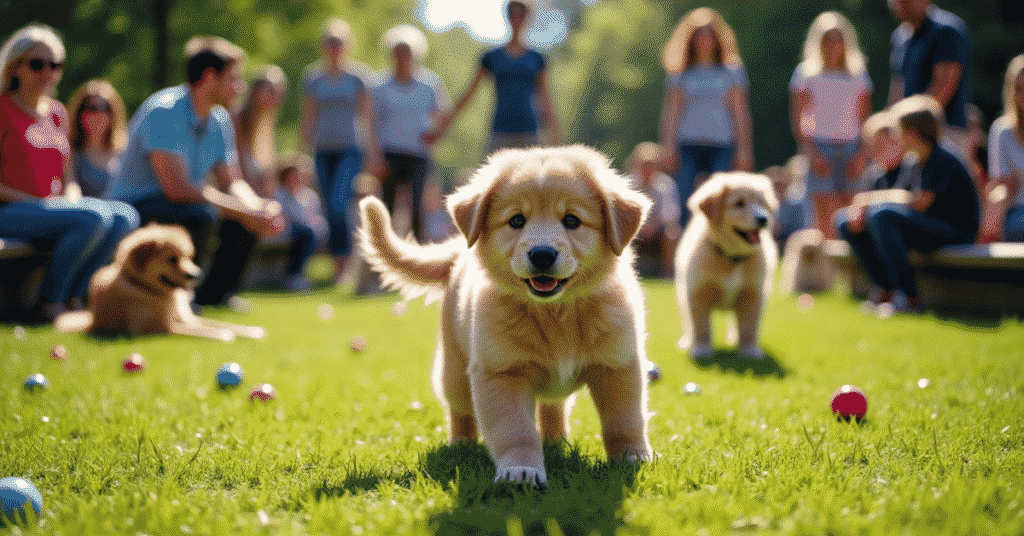
Socialisation is a critical step in mastering dog training basics. Dogs need exposure to:
- Other dogs
- Different people
- It sounds like vacuums or traffic
- Surfaces like sand, gravel, or tile
Start slow and keep experiences positive. If your dog seems overwhelmed, give them space and try again later. Proper socialisation reduces anxiety, prevents aggression, and helps your dog become a well-rounded companion.
The American Veterinary Society of Animal Behaviour (AVSAB) emphasises early socialisation to prevent future behaviour issues.
Avoid These Common Training Mistakes
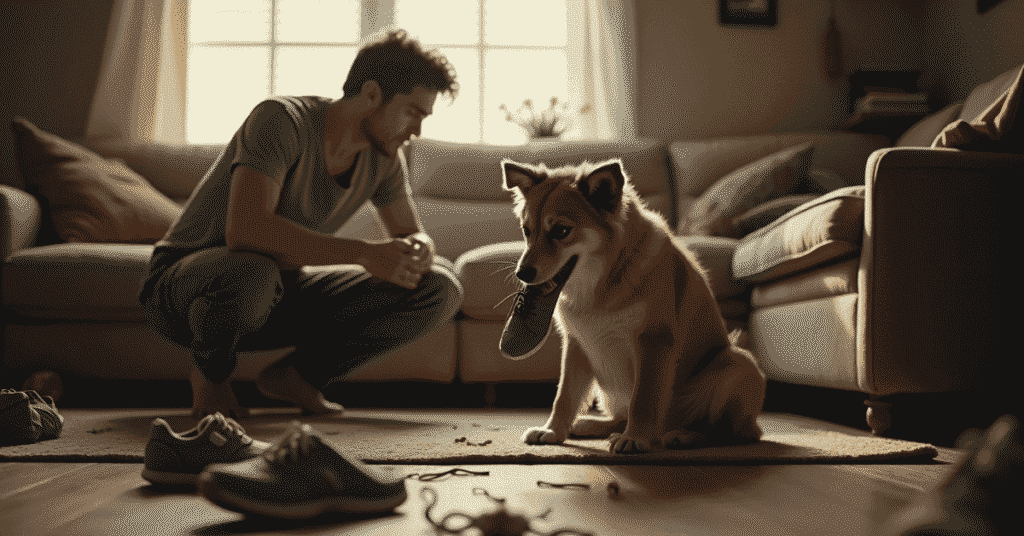
Being Inconsistent
Inconsistent cues or reactions confuse your dog. Stick with the same commands, and don’t randomly switch between “down” and “lie down.”
Overtraining
Pushing too hard can lead to frustration. Short sessions with play breaks are more effective.
Not Using Rewards Properly
Timing is everything. If your reward comes too late, your dog might not understand what they’re being praised for.
Advanced Skills to Level Up Your Dog’s Obedience
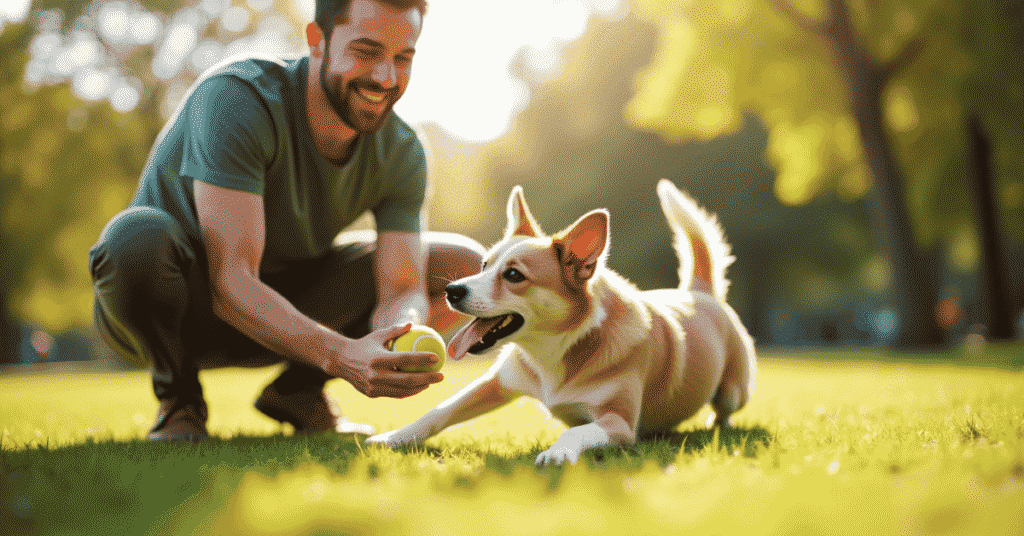
Clicker Training
This method uses a slight click sound to mark desired behaviours. Click, then treat. It’s clear, consistent, and incredibly effective.
Hand Signals
Pair hand gestures with verbal commands. Over time, dogs can learn to respond to hand signals alone, which is excellent in noisy environments or for older dogs with hearing loss.
Off-Leash Recall
Only attempt off-leash training in secure areas. Begin with a long leash in a quiet park. Gradually allow more freedom as your dog proves they’ll come back reliably.
Mastering Dog Training Basics for Puppies vs. Adults
Puppies Learn Fast But Need Repetition
They’re curious and energetic but easily distracted. Keep sessions short and reward every small success.
Adult Dogs Bring Habits—Good or Bad
Adult dogs, especially rescues, may come with baggage. But with patience and the right approach, they can learn just as well as puppies.
Solving Common Behavioral Problems
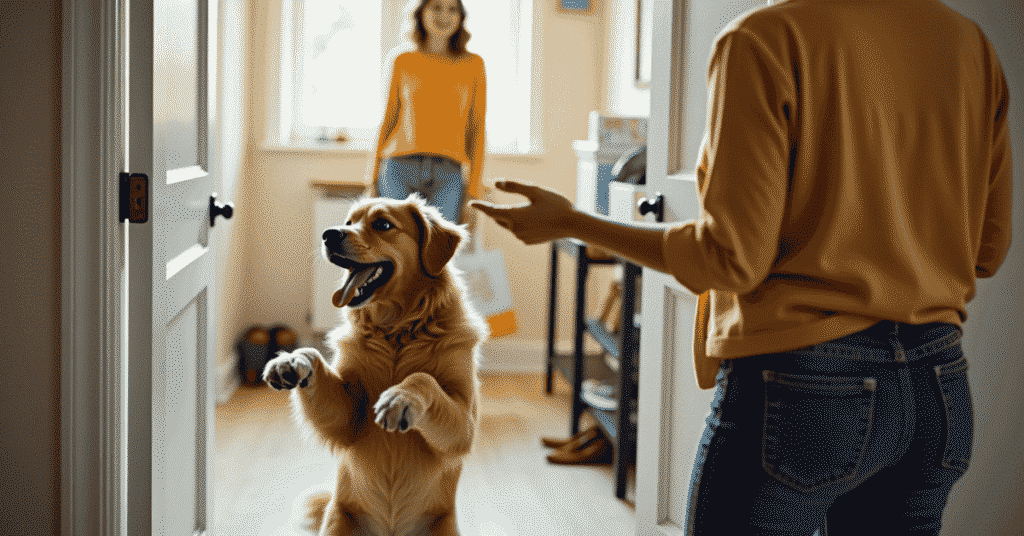
Barking Too Much?
Identify the cause. Are they bored, anxious, or alerting you? Address the root and reward quiet behaviour.
Separation Anxiety
Practice leaving and returning in short increments. Use puzzle toys to distract and soothe.
Chewing
Redirect destructive chewing to safe chew toys. Praise them when they chew the right thing.
When to Get Professional Help
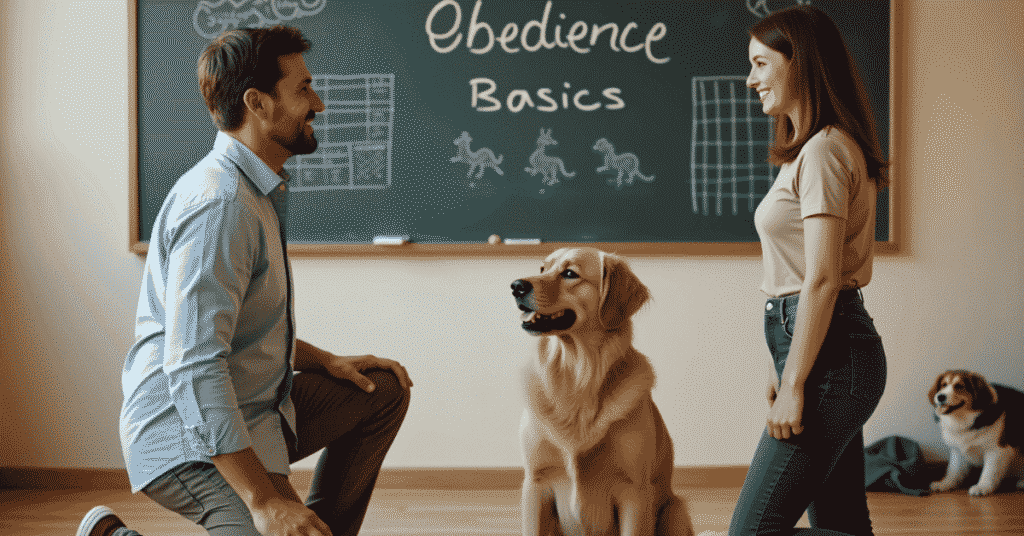
A certified dog trainer can make a big difference if you’re overwhelmed. According to the Association of Professional Dog Trainers (APDT), a good trainer uses humane methods and creates a customised plan based on your dog’s behaviour and lifestyle.
Keeping Things Fun for Both of You

Use Games to Teach Skills
Hide-and-seek, fetch with commands, and scent games build your dog’s mental muscles while reinforcing training.
Celebrate Every Win
Every “sit,” “stay,” or calm reaction is a victory. Shower your dog with affection and excitement when they succeed.
How the Environment Shapes Your Dog’s Behaviour
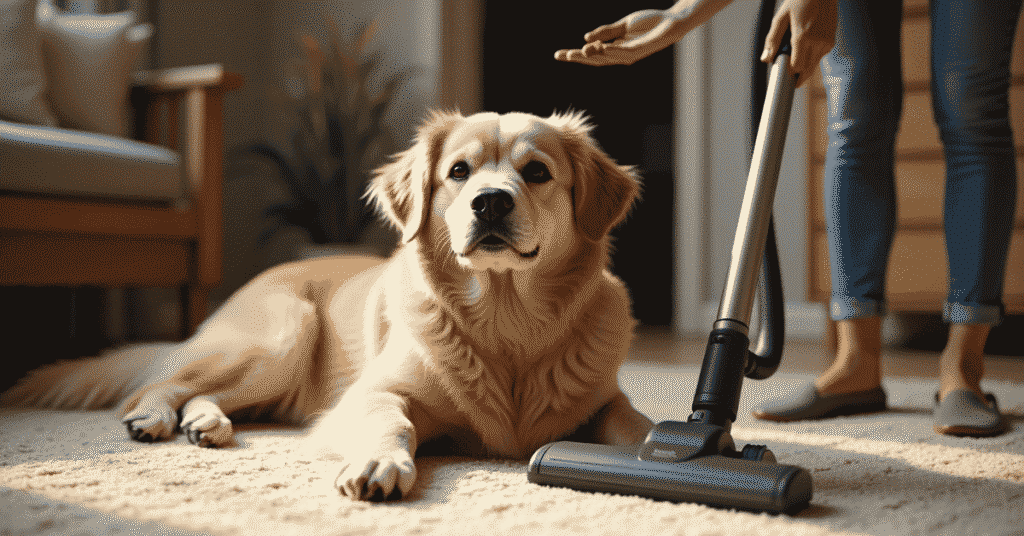
Mastering dog training basics also means understanding how your dog’s surroundings affect their behaviour. Dogs are sensitive to noises, smells, and even your mood. A chaotic home environment can make it harder for your dog to stay calm or focused during training.
Try to train in a quiet, distraction-free space. Avoid loud televisions or multiple people giving commands. A calm, predictable routine helps your dog feel safe, and that’s the foundation for learning.
Understanding Breed Traits and Temperament
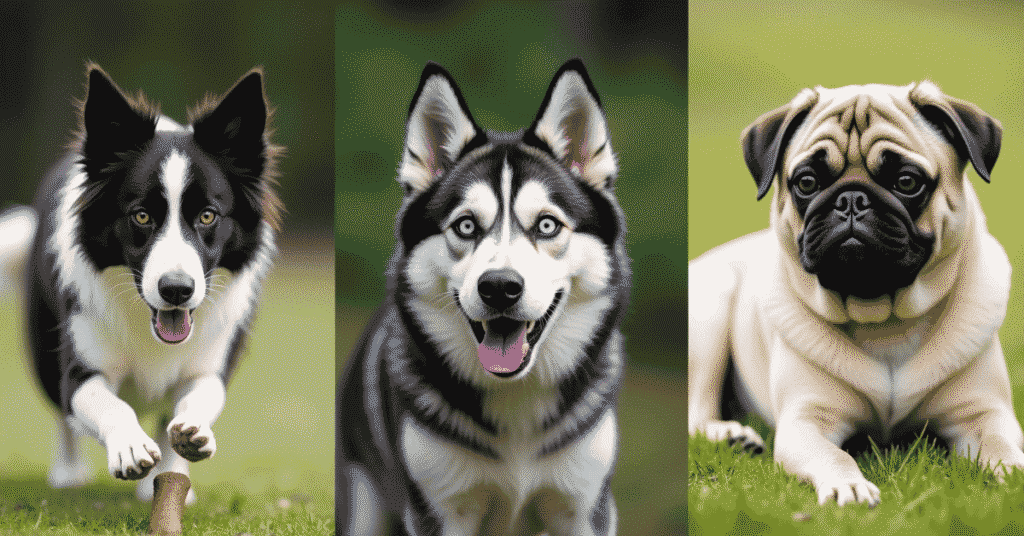
Not all dogs learn the same way. Mastering dog training basics includes learning about your dog’s breed characteristics.
- High-energy breeds (like Border Collies, Labs, and Shepherds) need more mental stimulation and may learn commands quickly but get bored easily.
- Independent breeds (like Shiba Inu or Huskies) may resist training and require more creative motivation.
- Companion breeds (like Pugs or Cavalier King Charles Spaniels) are people-pleasers and respond well to gentle, affectionate training.
Tailor your methods to match your dog’s personality, not just their breed.
Daily Routines That Reinforce Training
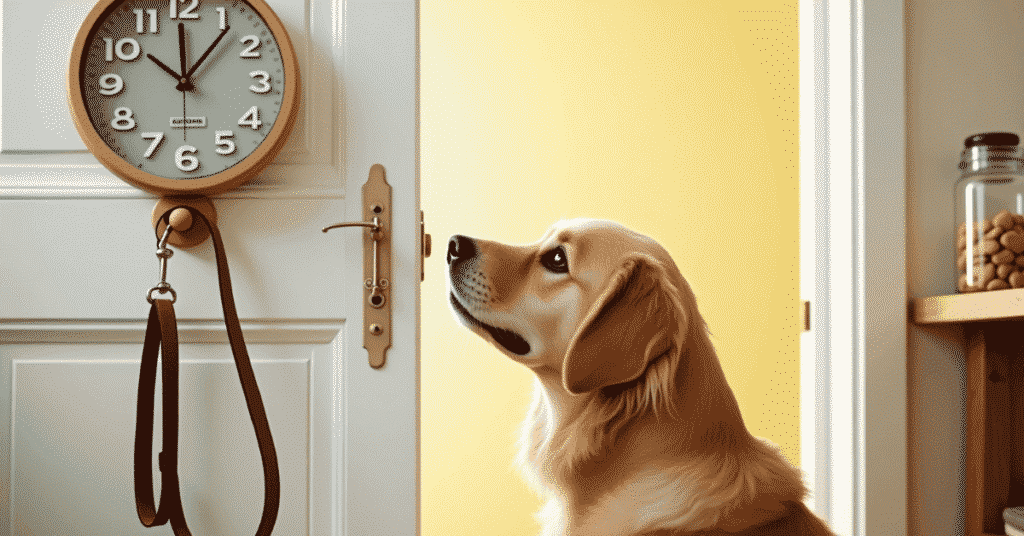
Mastering dog training basics doesn’t happen in isolation. Training is most effective when it’s part of everyday life. Use real-life situations to practice commands:
- Ask your dog to “sit” before you put the leash on.
- Say “stay” before opening the door.
- Use “leave it” when dropping food or socks.
This consistent integration reinforces behaviors and teaches your dog that commands are part of everyday life, not just tricks.
Building Focus and Attention
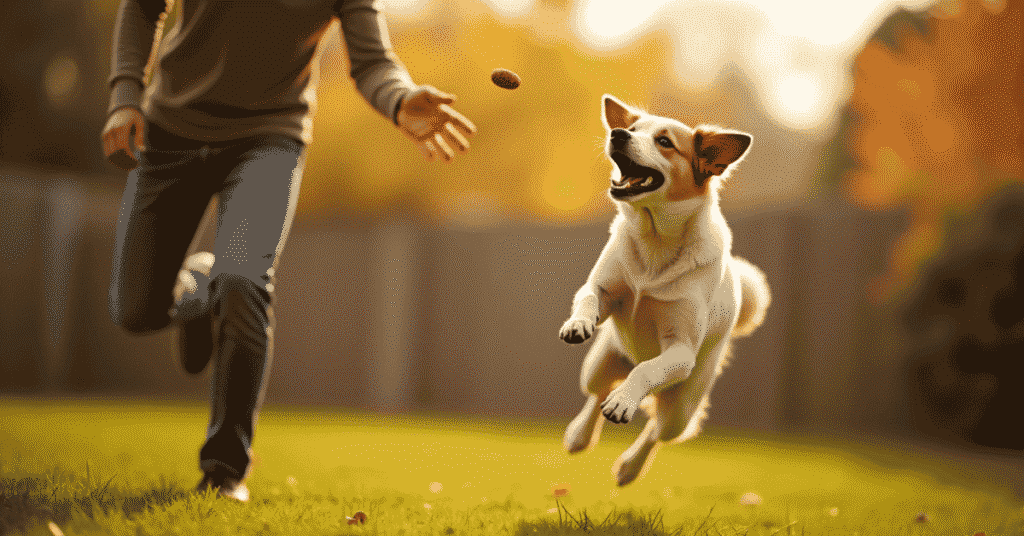
Before your dog can follow commands, they must learn to focus. This is especially important for puppies or easily distracted dogs.
Try this exercise:
- Hold a treat to your forehead.
- When your dog makes eye contact, say “look” or “focus.”
- Immediately reward them.
Do this regularly to build their attention span. This is the first step before introducing any command successfully.
Training with Family Members
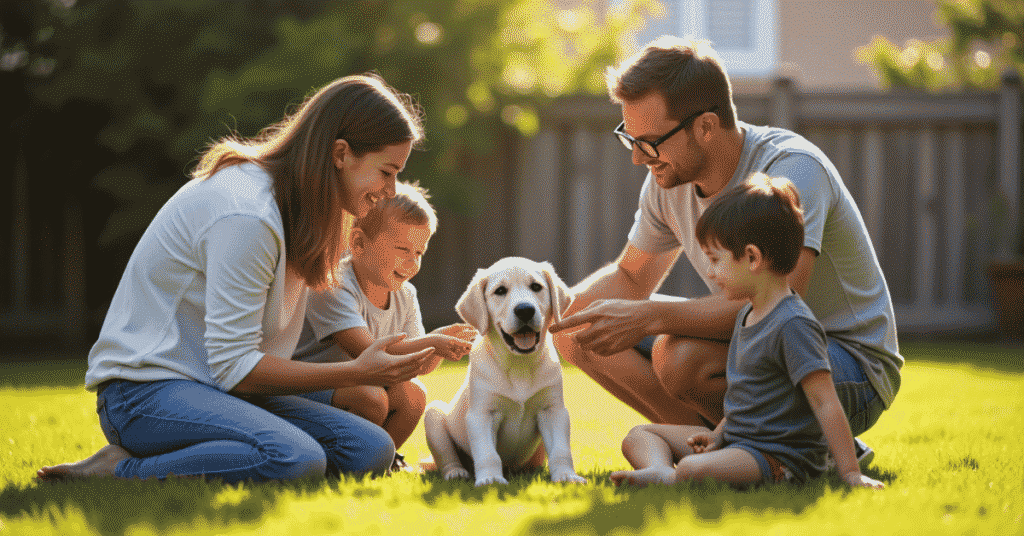
Consistency is key, especially in homes with multiple people. Everyone in the household must use the exact words and the reward system. Mastering dog training basics means the whole family gets involved.
Create a training chart and assign tasks—one person can handle feeding, and another can be responsible for daily “sit” and “stay” commands. This teamwork approach prevents confusion and speeds up learning.
Handling Training Setbacks with Patience
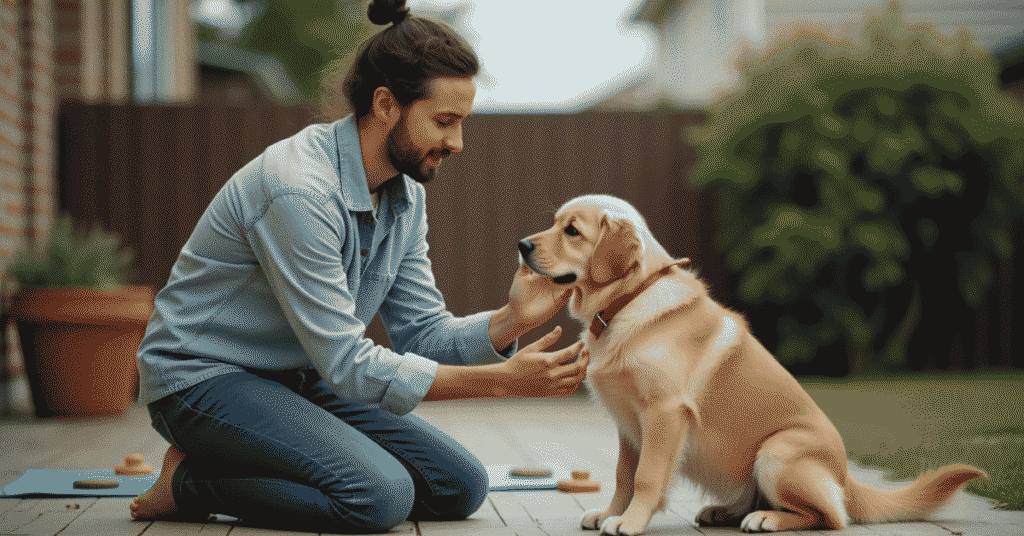
Setbacks are part of the process. Maybe your dog forgets a command or regresses in potty training. That’s okay. It doesn’t mean you’ve failed.
Ask yourself:
- Did something change in your dog’s environment?
- Has training been inconsistent?
- Could they be ill or stressed?
Return to basics, lower expectations temporarily, and offer more positive reinforcement. Like us, dogs have good days and off days.
Positive Reinforcement Examples That Work

Mastering dog training basics also includes knowing how to reward your dog effectively. Here are some proven reward ideas:
- Treat ladders: Start with low-value treats and move up as tasks get harder.
- Verbal praise: Say “Good job!” in a cheerful tone.
- Tug toys: Some dogs prefer to play with food.
- Access to favourite things: A trip outside or a favourite toy can be powerful motivators.
Match the reward to your dog’s preferences. Food-motivated dogs will do anything for a treat, while others want to chase a ball.
You can check Fun Dog Training Tricks: A Comprehensive Guide to Training Your Dog the Fun Way, as it also discusses how this method enhances dog training, particularly for fun tricks.
Practicing Impulse Control with “Wait”

Impulse control is a game-changer. “Wait” teaches your dog to pause before acting. This differs from “stay,” which asks them to remain in one spot.
Here’s how:
- Place a treat on the floor.
- Cover it with your hand.
- Say, “Wait.”
- Once your dog backs off, say “yes” or “take it.”
This trains your dog to think before acting, which reduces jumping, barking, and bolting through doors.
Training in Public Spaces
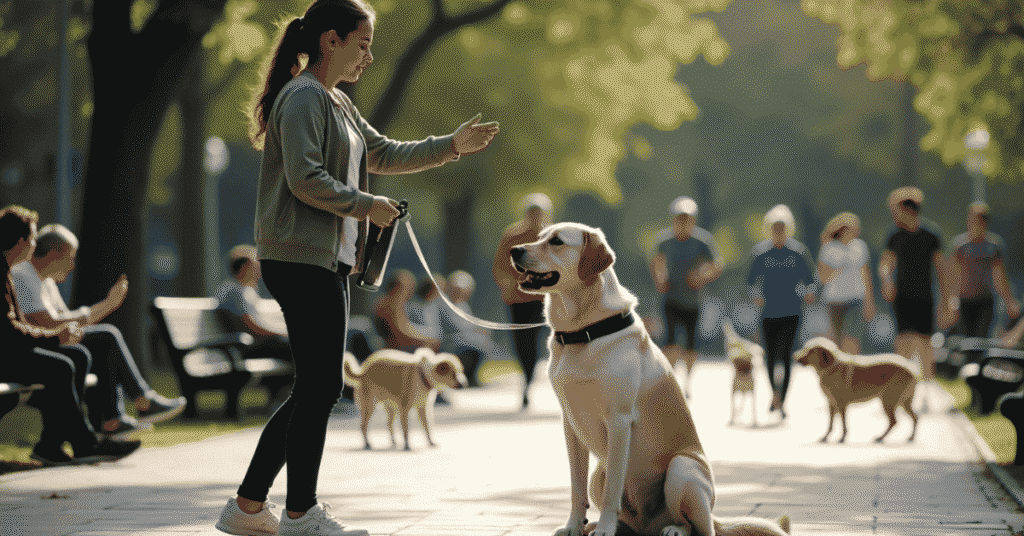
Once your dog masters basic commands at home, take them outside. Parks, sidewalks, and pet-friendly stores offer real-life distractions.
Start with a short leash walk and reward them for eye contact or calm behaviour. Try basic commands like “sit” at a park bench or “leave it” near other dogs.
Mastering dog training basics in public makes your pup a polite citizen—welcomed everywhere, from cafes to vet clinics.
Addressing Fear-Based Behaviour

Sometimes, what looks like stubbornness is fear. If your dog resists going into the car or shakes at the sound of thunder, don’t push them.
Use gradual desensitisation:
- Pair the scary thing with something positive (like treats or toys).
- Move at their pace—don’t force exposure.
- Reward every tiny step toward confidence.
This builds trust and helps your dog face fears without trauma.
The ASPCA offers guidance on managing fear-based behaviours in dogs.
Nutrition and Exercise: The Overlooked Training Factors

Did you know a poorly fed or under-exercised dog is harder to train? Diet and exercise directly affect your dog’s focus and mood.
- Feed a balanced, high-protein diet recommended by your vet.
- Provide 30–60 minutes of exercise daily based on breed needs.
- Add puzzle toys to challenge your dog’s brain.
A tired, well-fed dog is calm, focused, and ready to learn.
Celebrating Milestones

Don’t wait until your dog is fully trained to celebrate. Every “aha!” moment matters. Throw a mini party when your dog finally nails “stay” with the door open.
Use milestones to track progress:
- “First, walk without pulling.”
- “First successful ‘come’ at the park.”
- “First quiet hour during crate time.”
Celebrate often. It keeps the journey exciting for both of you.
Stay Consistent, Even After Success
Training never truly ends. Reinforce old commands regularly. Sprinkle quick training games into daily life to keep skills fresh and your bond strong.
Conclusion
Mastering dog training basics is about more than obedience—building a strong, lasting relationship with your dog. As a first-time dog owner, you’re shaping how your pup views the world. Every command, every treat, every bit of praise adds up to a more peaceful and enjoyable life together.
You don’t need to be perfect. You need to be patient, consistent, and kind. When you lead with understanding and reward progress—no matter how small—you’ll be amazed at what your dog can achieve.
Keep the training short, the attitude positive, and the bond strong.
FAQs
1. How often should I train my dog each day?
Two to three short sessions of 5–10 minutes work best. Daily consistency matters more than session length.
2. Is it okay to use food all the time?
Yes, initially, but later, you should phase out treats and replace them with praise or toys. This keeps your dog responsive without making it treat-dependent.
3. What’s the best way to train a stubborn dog?
Find what motivates them—every dog has a reward they’ll work for. Be patient, break tasks into small steps, and keep sessions fun.
4. Should training be indoors or outdoors?
Start indoors with fewer distractions, then gradually move outside to real-world environments.
5. What age is too late for training?
There’s no age limit. Older dogs may take longer, but with positive reinforcement, they can learn just as well as puppies.
Looking for more dog inspiration? Click here to explore more pawsome content.


