The german shepherd dog breed is one of the most iconic and admired dogs in the world. Whether you’re drawn to their loyalty, intelligence, or confident presence, there’s no denying that the German Shepherd (GSD) has earned its place as America’s top working companion. Known for their sharp minds and incredible versatility, GSDs excel in homes, police units, farms, therapy work, athletic competitions, and more.
This guide breaks down everything you need to know about the German Shepherd breed—from its history and temperament to training, grooming, nutrition, and real-life living situations.
Table of Contents
What Makes the German Shepherd Dog Breed So Popular?

A Brief History
The german shepherd dog breed traces its origins to late-19th-century Germany. Captain Max von Stephanitz selectively bred herding dogs known for stability, courage, and intelligence. According to the American Kennel Club, the German Shepherd quickly rose to fame for its working potential and became a worldwide favorite in service roles.
Global Recognition
Today, the GSD is recognized by the AKC, as well as international clubs like the Fédération Cynologique Internationale. Their popularity is built on reliability, work ethic, and adaptability.
Physical Characteristics of the German Shepherd Dog Breed

Height, Weight & Build
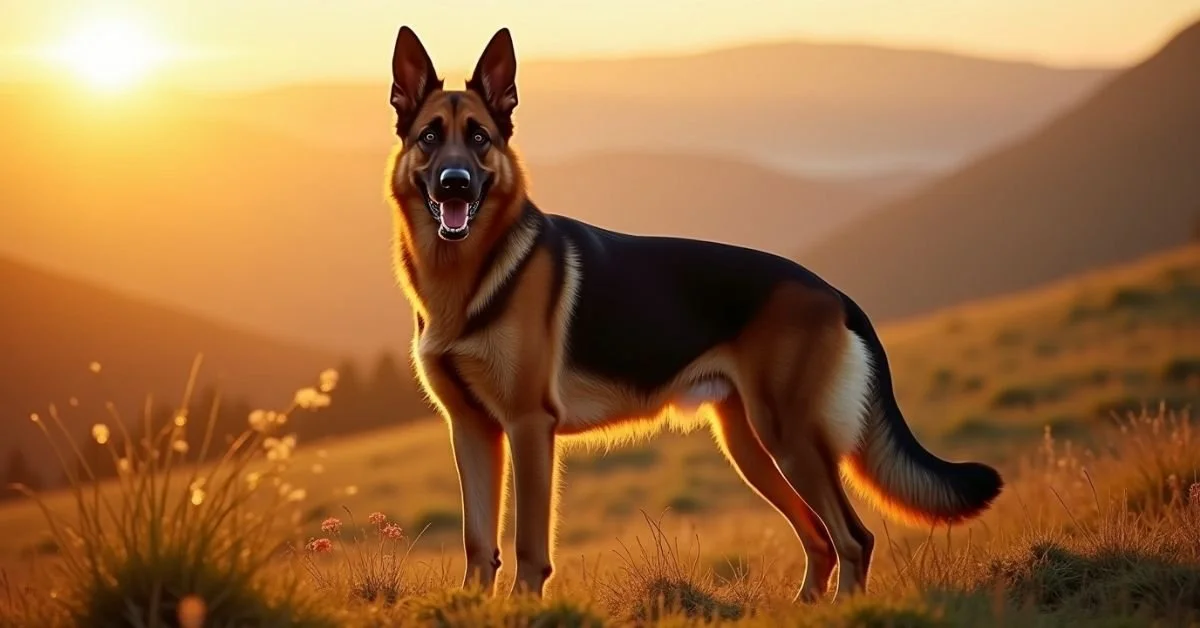
The german shepherd dog breed is medium-to-large, standing 22–26 inches at the shoulder and weighing 50–90 pounds. Their athletic frame, steady gait, and muscular hindquarters allow fluid movement and endurance—traits praised by working dog trainers worldwide.
Coat Types and Colors
German Shepherds may have:
- Double coats (standard)
- Long coats (less common)
- Colors: black and tan, sable, black, bicolor, and more
Shedding is significant, especially during seasonal “blowouts.” For shedding tips, pawsnpup offers a helpful guide on grooming routines to manage loose fur.
German Shepherd Dog Breed Temperament

Intelligence and Trainability
Few dogs can match the mental sharpness of the german shepherd dog . Studies summarized by WebMD Pets highlight GSDs as one of the world’s most trainable breeds. They learn fast, problem-solve naturally, and thrive under structured training.
Loyalty and Protection
German Shepherds are known for loyalty and a deep-rooted protective instinct. When properly socialized, they display confidence without aggression—qualities that the ASPCA emphasizes as vital in responsible guardianship.
Family Compatibility
GSDs bond strongly with families and tend to be gentle with well-behaved children. Early exposure to supervised interactions ensures they understand boundaries.
Training the German Shepherd Dog Breed

Why Early Socialization Matters
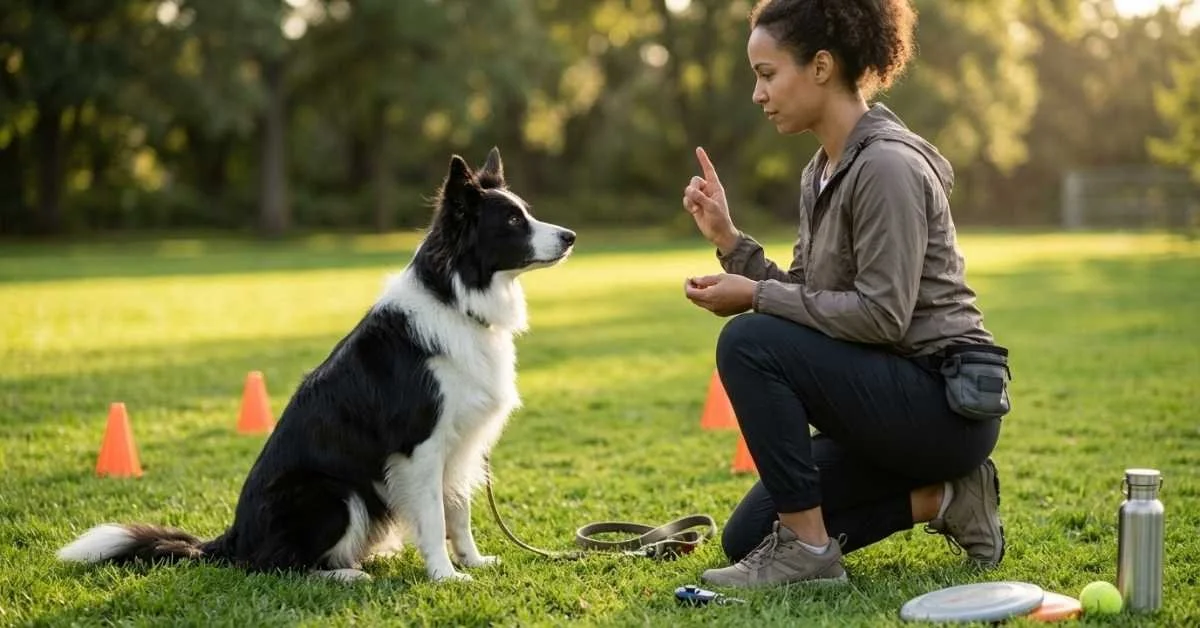
Early socialization is crucial. Cornell University College of Veterinary Medicine notes that puppies who experience new people, environments, and sounds from a young age develop healthier behavior patterns.
Positive Reinforcement Works Best
The german shepherd dog breed responds exceptionally well to:
- Clicker training
- Reward-based methods
- Structured routines
This aligns with guidance found in pawsnpup training articles, which emphasize consistency and mental engagement.
Advanced Training and Working Tasks
GSDs excel at:
- Obedience
- Scent work
- Tracking
- Agility
- Protection sports
- Service tasks
- Search-and-rescue operations
Common Training Mistakes to Avoid
- Harsh corrections
- Long, repetitive sessions
- Insufficient exercise
- Delayed socialization
Exercise Requirements

Daily Activity Needs
The german shepherd dog breed requires 60–90 minutes of physical activity per day. Without it, energy quickly turns into boredom or undesirable behavior.
Best Activities for GSDs
- Hiking
- Jogging
- Fetch
- Nose work
- Obedience drills
- Swimming
Indoor Exercise Options
On rainy days, puzzle toys, treat chases, and obedience refreshers keep them mentally stimulated. Pawsnpup.com features indoor dog enrichment ideas that pair perfectly with GSD needs.
Grooming & Maintenance

Shedding Cycle
German Shepherds shed year-round, with heavy shedding twice annually. Regular brushing reduces loose hair and skin irritation.
Bathing, Nails & Dental Hygiene
GSDs need:
- Baths every 6–8 weeks
- Nail trims every 3–4 weeks
- Daily or weekly tooth brushing
PetMD recommends dental care as essential for preventing periodontal disease, especially in large breeds.
Nutrition Guidelines
Balanced Diet
A healthy diet for the german shepherd dog breed should include:
- Lean animal proteins
- Healthy fats for coat and joint support
- Digestible carbohydrates
WebMD Pets and PetMD emphasize the importance of protein quality for muscular breeds like the GSD.
Feeding by Age
- Puppies: three meals/day
- Adults: two meals/day
- Seniors: adapt intake for slower metabolism
Foods to Avoid
Avoid chocolate, raisins, onions, garlic, and high-fat leftovers, as noted by the ASPCA’s toxic food guidance.
Common Health Issues
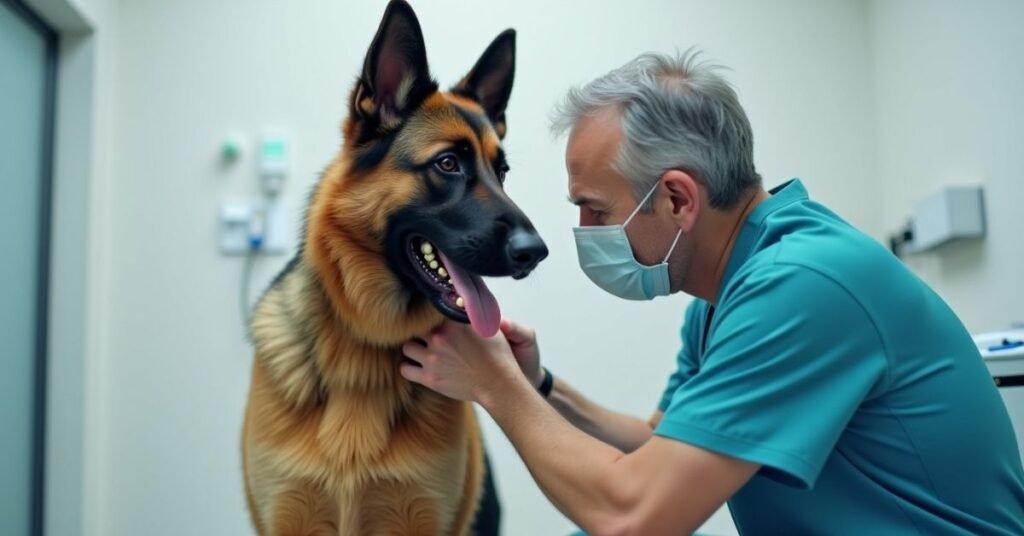
The german shepherd dog breed is prone to several conditions:
Hip & Elbow Dysplasia
These inherited joint issues are common in large working breeds. Ethical breeders test for dysplasia to reduce risks.
Degenerative Myelopathy
A spinal condition causing hind-limb weakness in older dogs. Cornell Vet notes that genetics plays a major role.
Skin Conditions
GSDs may experience environmental allergies, often managed by diet changes and grooming routines.
Preventive Care
- Annual vet screenings
- Weight management
- Joint supplements
- Regular activity
New to dog ownership? Start with our complete dog care guide.
Living with the German Shepherd Dog Breed

Ideal Home Environment
GSDs thrive in active households. They need space, structure, and meaningful engagement—not just backyard time.
Apartment Living
Apartment life is possible with:
- Daily exercise
- Frequent walks
- Indoor enrichment
- Clear training rules
Working Roles
Police & Military
The German Shepherd Dog breed is widely used in service roles because of its intelligence, courage, and agility.
Search and Rescue
Their tracking ability and endurance make them valuable in disaster zones.
Service & Therapy
GSDs assist people with mobility challenges, PTSD, and more—proof of their sensitivity and adaptability.
Adoption, Breeders & Ethical Ownership
Choosing Breeders
Look for breeders who:
- Conduct health screenings
- Offer lifetime support
- Allow home visits
- Avoid overbreeding
Adoption Options
GSD rescues across the U.S. specialize in rehoming abandoned or surrendered dogs.
Long-Term Commitment
Owning the German Shepherd Dog breed means:
- 10–14 year lifespan
- High training needs
- Regular grooming
- Financial responsibility
Conclusion
The German Shepherd Dog breed remains one of the most respected and dependable dogs in the world. Their intelligence, loyalty, and versatility make them ideal companions for active families, dedicated trainers, and working professionals. With proper training, regular exercise, consistent grooming, and a healthy diet, the German Shepherd thrives both physically and emotionally. Whether you adopt or purchase from an ethical breeder, welcoming a GSD into your life is a long-term commitment—one that brings years of companionship, protection, and incredible bonding.
FAQ‘S
Is a German Shepherd Good for First-Time Owners?
Yes—if the owner is committed to training and daily exercise.
How much exercise does a GSD need?
At least 60–90 minutes per day.
Do German Shepherds shed?
Heavily. Regular brushing helps.
Are they good with kids?
Yes, with proper supervision and early socialization.
What is their lifespan?
10–14 years on average.
Trusted External Resources
Learn more about the German Shepherd Dog breed from these trusted resources:
- American Kennel Club – German Shepherd Dog
- ASPCA – Dog Care & Behavior
- Cornell University College of Veterinary Medicine
- WebMD Pets – Dog Guide
Looking for more dog inspiration? Click here to explore more pawsome content.