
Short dog breeds come in more shapes and sizes than the phrase might suggest. Some have very short legs and long bodies, while others are compact, sturdy or simply close to the ground. Their weight can vary considerably, too. A Dachshund may weigh less than 11 pounds in miniature size, while a Basset Hound can weigh more than 60 pounds.
This guide focuses on 15 breeds with a naturally low or compact build. It compares their typical size, exercise needs, grooming, temperament and health considerations so you can look beyond appearance when choosing a dog.
A short body does not automatically mean an easy-care dog. Dachshunds need sensible back-care habits, flat-faced breeds can struggle in heat, and some small terriers are energetic and vocal. The right choice depends on your home, daily routine and ability to meet the individual dog’s needs.
For other compact companions, see our guide to cuddly small dog breeds.
Key Takeaways
- Short dog breeds are not necessarily lightweight. The Basset Hound, for example, can weigh considerably more than a Chihuahua.
- Long-backed breeds, particularly Dachshunds, need careful weight management and protection against repeated jumping.
- Flat-faced breeds such as French Bulldogs, Pugs and Pekingese can have breathing difficulties and poor heat tolerance.
- Some small dogs are sensitive to cold, while others need substantial coat maintenance or professional grooming.
- Exercise, barking, grooming and health needs vary by breed, so choose according to your household and daily routine.
What Do Short Dog Breeds Mean?
The term short dog breeds can describe dogs with short legs, a low body profile or a naturally small adult height. These characteristics overlap, but they are not identical.
A Pembroke Welsh Corgi has short legs and a sturdy body. A Dachshund has an elongated body with comparatively short legs. A Chihuahua is both short and exceptionally small. Meanwhile, a Basset Hound stays close to the ground despite weighing considerably more than most toy breeds.
That distinction matters when considering your home. A short dog is not automatically a lightweight dog, and a small dog is not automatically quiet or easy to care for.
According to PetMD’s guide to small-dog health, small dogs are generally considered to weigh around 20 pounds or less. However, several breeds in this article exceed that weight.
The weights below are typical ranges reported by the linked breed profiles, not guarantees for individual dogs. Where sources differ, the differences are acknowledged.

The 15 Short Dog Breeds
The following breeds are grouped by their physical characteristics to make comparison easier. The practical fit descriptions are editorial summaries rather than veterinary assessments.
Short-Legged and Low-Ground Breeds
1. Pembroke Welsh Corgi
The Pembroke Welsh Corgi is a sturdy herding dog recognised for its short legs, upright ears and expressive face. Despite its compact height, it is an active breed with a strong working background.
PetMD’s Pembroke Welsh Corgi profile lists an approximate weight of 30 pounds, a height of 10 to 12 inches and a typical lifespan of 12 to 13 years. It describes a strong herding instinct, multiple daily walks and potentially excessive barking. VCA’s Corgi breed profile lists a weight of approximately 25 to 27 pounds and notes that some Corgis may nip at heels.
Both sources describe substantial shedding. Weight management is important because excess weight can place additional strain on the joints. PetMD also identifies hip and elbow dysplasia and degenerative myelopathy among potential health concerns.
Practical fit: A lively, intelligent companion for an active household that can provide regular exercise, grooming and consistent training.
2. Dachshund
The Dachshund is one of the most recognisable short-legged breeds. Its long body, short legs and confident personality make it distinctive, but its unusual proportions also require particular care.
PetMD’s Dachshund profile lists standard Dachshunds at approximately 16 to 32 pounds and miniature varieties under 11 pounds. Its reported lifespan is 12 to 16 years. The profile also describes frequent barking and notes that some Dachshunds may play too roughly with young children.
VCA’s Dachshund profile reports a lifespan of approximately 12 to 14 years and rates barking as a noticeable breed characteristic.
One important concern is intervertebral disc disease (IVDD). PetMD reports that as many as 25% of Dachshunds develop this condition. Owners should discuss appropriate exercise and back protection with their veterinarian. Ramps or pet stairs can help reduce repeated jumping from furniture.
Practical fit: A confident, affectionate and sometimes vocal companion for owners prepared to manage back health and provide patient training.

3. Basset Hound
The Basset Hound has exceptionally short legs, long ears and a distinctive low-slung body. It is considerably heavier than most small companion breeds, making it a good example of why short height and small body size should not be confused.
PetMD’s Basset Hound profile lists a typical weight of 40 to 65 pounds, a height of no more than 15 inches and a lifespan of approximately 12 to 13 years. It describes the breed as relatively low-energy while recommending regular walking. Its characteristic baying bark can also be loud.
VCA’s Basset Hound profile lists a weight of approximately 40 to 60 pounds and identifies training as a potential challenge.
Long ears need regular attention. PetMD recommends cleaning and flushing the ears once or twice weekly and drying skin folds after bathing. Potential health concerns include ear and skin problems, disc disease, arthritis and bloat.
Practical fit: A relaxed companion for owners who can manage its weight, ear care, regular walks and distinctive vocal habits.
4. Scottish Terrier
The Scottish Terrier, often called the Scottie, is a compact, confident terrier with a distinctive beard and wiry coat. Although small in height, it has a bold personality and a strong instinct to investigate moving animals.
PetMD’s Scottish Terrier profile lists a weight of approximately 18 to 22 pounds, a height around 10 inches and a lifespan of about 12 years. It describes the breed as intelligent but independent, with a strong prey drive. A leash or secure fenced area is important outdoors.
VCA’s Scottish Terrier profile lists a lifespan of approximately 11 to 13 years and describes its characteristic temperament.
The wiry coat requires regular maintenance, including brushing and professional hand-stripping or clipping. Potential health concerns include Scottie cramp, von Willebrand disease and liver shunts.
Practical fit: A spirited, independent companion for owners comfortable with terrier behaviour and regular grooming costs.
5. West Highland White Terrier
The West Highland White Terrier, commonly known as the Westie, is a small white terrier with a confident personality. Its compact frame makes it appealing to people who prefer smaller dogs, but its energy level can surprise first-time owners.
PetMD’s West Highland White Terrier profile lists a weight of approximately 15 to 20 pounds, a height of 10 to 11 inches and a lifespan of 13 to 15 years. It recommends at least 30 minutes of focused daily exercise and describes a strong prey drive.
VCA’s Westie profile lists a lifespan of approximately 12 to 14 years.
PetMD recommends weekly brushing and professional trimming every four to six weeks. Potential health concerns include bladder cancer, dental disease, dry eye and patellar luxation.
Practical fit: An energetic and independent little dog for owners who can provide daily activity, grooming and consistent training.
Flat-Faced Short Dog Breeds
Flat-faced dogs have shortened muzzles, a physical feature that can affect breathing and temperature regulation. These breeds require particular care during exercise and warm weather.
The Cornell University Canine Health Center’s guide to brachycephalic obstructive airway syndrome explains the breathing difficulties associated with shortened facial structures. Its heatstroke guidance also explains why overheating requires urgent attention.
6. French Bulldog
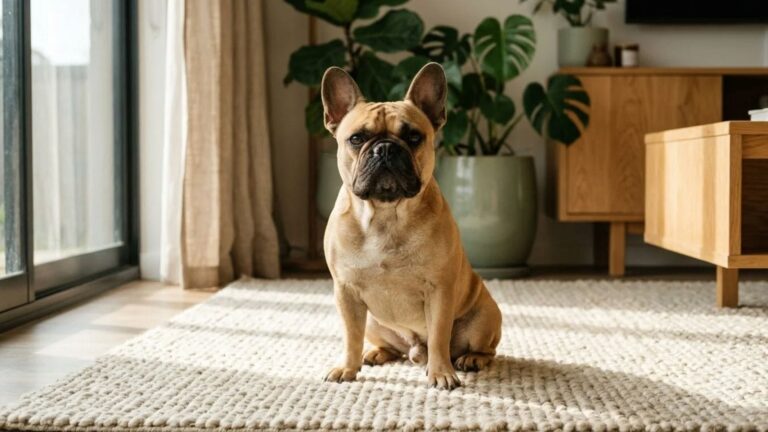
The French Bulldog is a compact, muscular companion with distinctive bat-like ears and a short muzzle. Its affectionate personality makes it popular, but its physical structure creates important health considerations.
PetMD’s French Bulldog profile lists a weight under 28 pounds, a height of approximately 11 to 13 inches and a lifespan of 10 to 12 years. It recommends relatively short walks and warns about heat and humidity.
VCA’s French Bulldog profile lists a lifespan of approximately 9 to 11 years and identifies a substantial tendency to overheat.
Airway problems can be serious, and excess weight may increase the risk of back injuries. Owners should also be cautious around swimming and strenuous exercise.
Practical fit: An affectionate indoor companion for people prepared to manage breathing, weight and temperature-related risks.
7. Boston Terrier
The Boston Terrier is a small, compact dog with a short muzzle, expressive eyes and a characteristic black-and-white coat. It is often described as sociable and people-oriented.
PetMD’s Boston Terrier profile lists a weight of approximately 12 to 25 pounds and a lifespan of 11 to 13 years. It recommends several short periods of exercise and warns that the breed has poor heat tolerance.
VCA’s Boston Terrier profile lists a lifespan of approximately 10 to 14 years and also identifies limitations in warm- and cold-weather tolerance.
PetMD describes the breed as generally good with gentle children under supervision. Potential concerns include airway syndrome, eye problems and low blood sugar in puppies.
Practical fit: A sociable companion for households that can provide moderate activity while avoiding excessive heat and strenuous exercise.
8. Pug
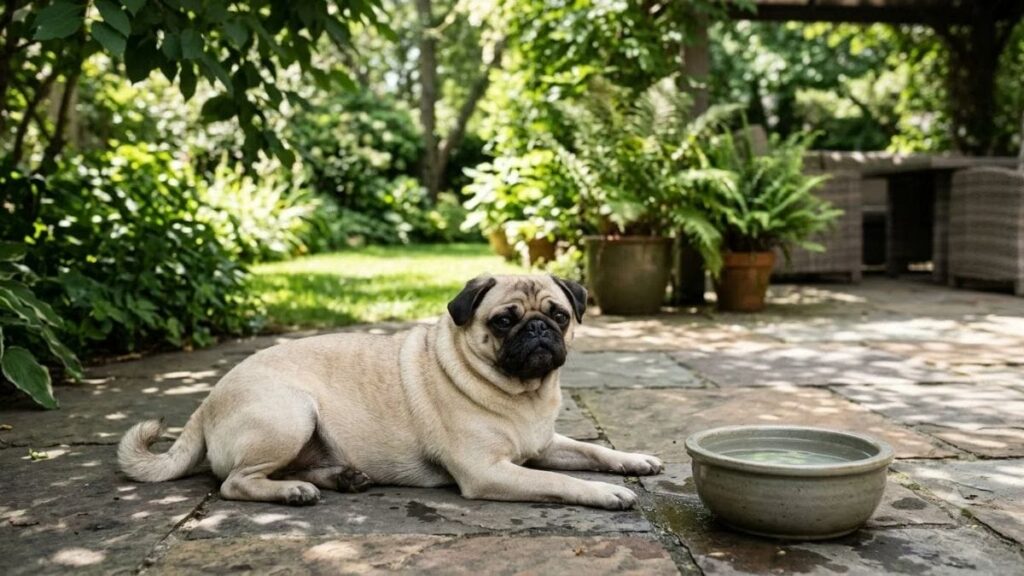
The Pug is a small, sturdy companion with a wrinkled face, curled tail and short coat. It is often affectionate and enjoys spending time with its family.
PetMD’s Pug profile lists a weight of approximately 14 to 18 pounds and a lifespan of 13 to 15 years. It recommends several short walks rather than strenuous activity and warns that Pugs tolerate heat poorly.
VCA’s Pug profile lists a lifespan of approximately 12 to 15 years and also identifies poor warm-weather tolerance.
Both sources discuss obesity as a common concern. PetMD identifies airway syndrome, skin allergies, ear infections and eye injuries among potential health problems. Pugs also shed more than their short coat might suggest.
Practical fit: A friendly indoor companion for owners who can maintain a healthy weight and carefully manage breathing and heat exposure.
9. Shih Tzu
The Shih Tzu is a small companion breed known for its long, flowing coat and affectionate nature. Its short muzzle and relatively compact body give it a distinctive appearance.
PetMD’s Shih Tzu profile lists a weight of approximately 9 to 16 pounds and a lifespan of 10 to 18 years. It describes the breed as trainable but notes that its continuously growing coat can mat without regular brushing.
VCA’s Shih Tzu profile lists a lifespan of approximately 11 to 14 years.
Many owners choose a shorter puppy-style haircut to simplify coat maintenance. PetMD also warns about overheating and identifies airway syndrome, dental disease, eye problems and ear infections as potential concerns.
Practical fit: A companionable small dog for owners who enjoy close companionship and can maintain regular coat and facial care.
10. Pekingese
The Pekingese is a small, low-set companion breed with a broad face and a long, abundant coat. Historically associated with Chinese imperial households, it is known for its independent personality.
PetMD’s Pekingese profile lists a weight of up to approximately 14 pounds, a height of 6 to 9 inches and a lifespan of 12 to 14 years.
VCA’s Pekingese profile lists a lifespan of approximately 13 to 15 years and warns that the breed can overheat easily.
The long coat needs regular brushing. PetMD recommends at least an hour of weekly brushing and professional grooming every six to eight weeks for long coats. Facial folds also need regular cleaning.
Potential health concerns include airway syndrome, dry eye and dental disease.
Practical fit: A small indoor companion for owners prepared for substantial grooming and careful temperature management.
11. Brussels Griffon
The Brussels Griffon is a tiny companion breed with a distinctive expressive face and a strong attachment to its family. It comes in rough-coated and smooth-coated varieties.
PetMD’s Brussels Griffon profile lists a weight of approximately 6 to 14 pounds and a lifespan of 12 to 15 years. It describes the breed as highly attached to its people and potentially uncomfortable when left alone for extended periods.
VCA’s Brussels Griffon profile lists a weight of approximately 8 to 10 pounds and explains that the breed generally does best with older, respectful children.
Rough coats need regular professional grooming, while smooth coats shed more noticeably. The breed can also be sensitive to temperature extremes.
Practical fit: A devoted little companion for owners who spend considerable time at home and can provide close attention.
Tiny and Small Companions
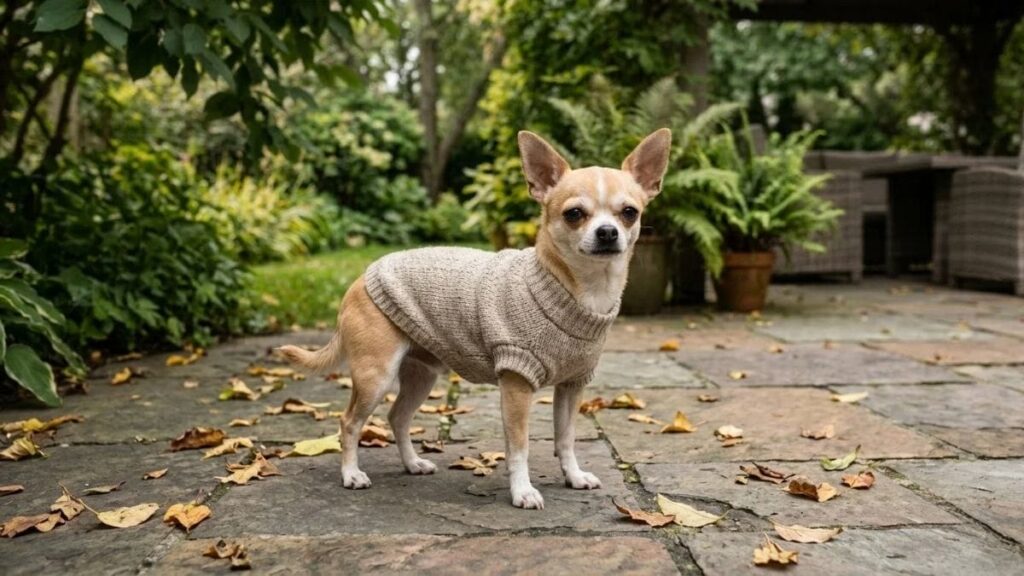
12. Chihuahua
The Chihuahua is one of the smallest recognised dog breeds. Its tiny body, alert expression and strong attachment to its owner make it a popular companion.
PetMD’s Chihuahua profile lists a weight of approximately 6 pounds or less, a height of 5 to 8 inches and a lifespan of 14 to 16 years.
VCA’s smooth-coated Chihuahua profile lists a lifespan of approximately 14 to 18 years.
Chihuahuas can become cold easily, so warm clothing and comfortable indoor resting places may be helpful. Both sources highlight dental care, and PetMD recommends daily brushing.
Because of their small size, Chihuahuas can be injured during rough play. PetMD also identifies potential concerns such as patellar luxation, heart disease and collapsing trachea.
Practical fit: A tiny, devoted companion for careful owners who can provide dental care, warmth and gentle handling.
13. Cavalier King Charles Spaniel
The Cavalier King Charles Spaniel is a small companion breed with a soft expression, long ears and a gentle appearance. It is often valued for its affectionate nature and adaptability.
PetMD’s Cavalier King Charles Spaniel profile lists a weight of approximately 13 to 18 pounds. It recommends two daily walks of around 20 to 30 minutes and notes that the breed generally prefers regular human company.
VCA’s Cavalier profile lists a lifespan of approximately 9 to 14 years.
Health deserves particular attention. PetMD identifies mitral valve disease, syringomyelia and eye conditions among important concerns. Prospective owners should ask breeders about appropriate health screening and discuss breed-specific risks with a veterinarian.
The silky coat benefits from brushing several times a week.
Practical fit: A gentle companion for people who can offer regular company, coat care and careful attention to inherited health risks.
14. Miniature Schnauzer
The Miniature Schnauzer is a small, sturdy terrier-type dog recognised for its beard, eyebrows and alert personality. It is intelligent and often enjoys having activities to occupy its mind.
PetMD’s Miniature Schnauzer profile lists a weight of approximately 10 to 20 pounds and a lifespan of 12 to 15 years. It recommends substantial daily activity and describes the breed as alert and vocal.
VCA’s Miniature Schnauzer profile lists a typical weight of approximately 13 to 15 pounds.
The coat requires regular clipping and maintenance, often around every two months. PetMD identifies cataracts, high cholesterol, pancreatitis and liver shunts among potential health concerns.
Practical fit: An intelligent and active small dog for owners who can provide training, regular exercise and professional grooming.
15. Beagle
The Beagle is a compact scent hound with short legs, a muscular body and a strong sense of smell. Although it is not a toy breed, its relatively short height makes it relevant to people comparing low-set dogs.
PetMD’s Beagle profile lists a weight of approximately 20 to 30 pounds and a lifespan of 10 to 15 years. It recommends around an hour of daily activity and describes the breed as affectionate but vocal.
VCA’s Beagle profile also highlights its tendency to bark and its generally sociable nature with children.
The short coat needs regular brushing. Beagles can gain excess weight if their food intake and activity are not managed. Their strong scent drive can also make outdoor leash training challenging.
Practical fit: A friendly, active companion for households that can provide exercise, scent-based enrichment and consistent leash training.
Coats and Grooming: What Owners Should Expect
Coat type often determines the grooming routine more than a dog’s height or weight.
Dachshunds come in smooth, longhaired and wirehaired varieties. Smooth coats generally require less maintenance, while longhaired dogs need more frequent brushing. Wirehaired coats may require professional stripping or clipping.
Other breeds need regular professional attention. PetMD recommends frequent trimming for Westies, regular grooming for Miniature Schnauzers and professional coat maintenance for long-coated Pekingese.
Smooth-coated breeds are not necessarily maintenance-free. Basset Hounds need attention to their ears and skin folds, while French Bulldogs need their facial wrinkles kept clean and dry.
Before choosing a dog, ask a groomer about the frequency and likely cost of maintaining its particular coat.
Quick Comparison of Short Dog Breeds
| Household need | Breeds worth considering | Important considerations |
|---|---|---|
| Smaller living spaces | Cavalier, Shih Tzu, Chihuahua | Noise, exercise and time alone |
| Less demanding exercise routines | Pug, French Bulldog, Basset Hound | Heat, breathing and weight |
| Active households | Corgi, Westie, Miniature Schnauzer | Exercise, training and barking |
| Back-care considerations | Dachshund, Basset Hound | Weight management and jumping |
| Cold-sensitive dogs | Chihuahua, Brussels Griffon | Warm clothing and indoor comfort |
| Regular grooming routines | Pekingese, Westie, Miniature Schnauzer | Professional grooming costs |
This comparison is a starting point, not a guarantee that a particular breed will suit every household.
Health and Care Basics for Short Dog Breeds
Short dog breeds can have health concerns related to their body structure, size and inherited characteristics.

Protecting the Back
Dachshunds are particularly associated with intervertebral disc disease. Repeated jumping from furniture and excess weight can increase physical strain. Pet ramps, controlled exercise and a healthy body condition can help reduce avoidable risks.
Owners of other long-backed dogs should also discuss appropriate movement and weight management with their veterinarian.
Managing Heat and Breathing
French Bulldogs, Pugs, Boston Terriers and Pekingese have shortened facial structures that can affect breathing. Heat and strenuous activity may make their difficulties worse.
Provide access to shade, fresh water and a comfortable indoor environment. Avoid strenuous exercise during hot weather. Unusual breathing effort, collapse or signs of heatstroke require urgent veterinary attention.
Caring for Cold-Sensitive Dogs
Very small dogs, including Chihuahuas, may struggle to maintain body warmth in cold conditions. A suitable sweater, warm bedding and shorter outdoor exposure may help when temperatures drop.
Watch for shivering or reluctance to go outside and discuss persistent problems with a veterinarian.
Maintaining Dental Health
Dental problems are common in small dogs. Regular toothbrushing, appropriate veterinary dental checks and a suitable oral-care routine can help maintain oral health.
Planning for Every Life Stage
Puppies, adults and senior dogs have different nutritional, exercise and healthcare needs. Arrange regular veterinary examinations and ask about vaccinations, parasite prevention, dental checks and breed-specific screening.
Our dog supplies checklist can help you prepare the essentials before bringing a new companion home.
How to Choose the Right Short Dog Breed
Start by considering your everyday routine rather than choosing a breed based only on appearance.
If you spend long hours away from home, a highly dependent companion may struggle with the arrangement. If you prefer quiet surroundings, a vocal terrier or scent hound may not be the best match.
Consider these practical questions:
- How much daily exercise can you consistently provide?
- Can you afford regular professional grooming if needed?
- Is your home suitable for a dog with back or breathing concerns?
- Are children or other animals likely to share the household?
- Can you provide companionship and training every day?
- Have you considered the breed’s potential healthcare costs?
Health screening is also important. Ask responsible breeders about relevant inherited conditions and available screening results. If you are adopting, request the dog’s available medical and behavioural history.
Our friendly dog breeds guide explores temperament, while our dog training basics guide explains the foundations of consistent training.
FAQs
What are the shortest dog breeds?
The Chihuahua is among the smallest breeds, with PetMD listing a height of approximately 5 to 8 inches. Miniature Dachshunds are also particularly short, with PetMD listing heights of around 5 to 6 inches. Corgis and Basset Hounds are recognised for their short legs rather than their tiny overall size.
Are short dog breeds good for apartments?
Many can adapt to apartment living, but size alone does not determine suitability. Barking, exercise requirements, heat tolerance and time alone matter. Dachshunds and Beagles, for example, can be vocal, while flat-faced breeds need careful temperature management.
Do short dogs have health problems?
Some have inherited or structural health concerns. Dachshunds are associated with intervertebral disc disease, while flat-faced breeds can experience breathing difficulties. Small dogs may also develop dental disease and patellar luxation. Regular veterinary care is important.
Which short dog breeds shed the least?
Rough-coated Brussels Griffons and some terrier breeds are often considered lower-shedding options. Miniature Schnauzers and Scottish Terriers still need regular coat maintenance. No dog is completely hypoallergenic, so people with allergies should spend time around the breed before making a decision.
Are short dogs good for first-time owners?
Some are, but each breed has different training, grooming and health requirements. A smaller dog is not automatically easier to manage. Read our dog breeds for first-time owners guide to compare breeds and their practical needs.
Conclusion
Short dog breeds come in many shapes and sizes, from tiny Chihuahuas to sturdy Corgis and low-set Basset Hounds. Their compact height may be appealing, but their exercise, grooming, health and companionship needs deserve equal attention.
The right choice is the dog whose needs fit your household, not simply the smallest breed on a list. Shortlist a few breeds, read their full health information, speak with a veterinarian and spend time with adult dogs before making a decision.
A small or low-set dog can be a wonderful companion, provided you understand the care it needs throughout its life.