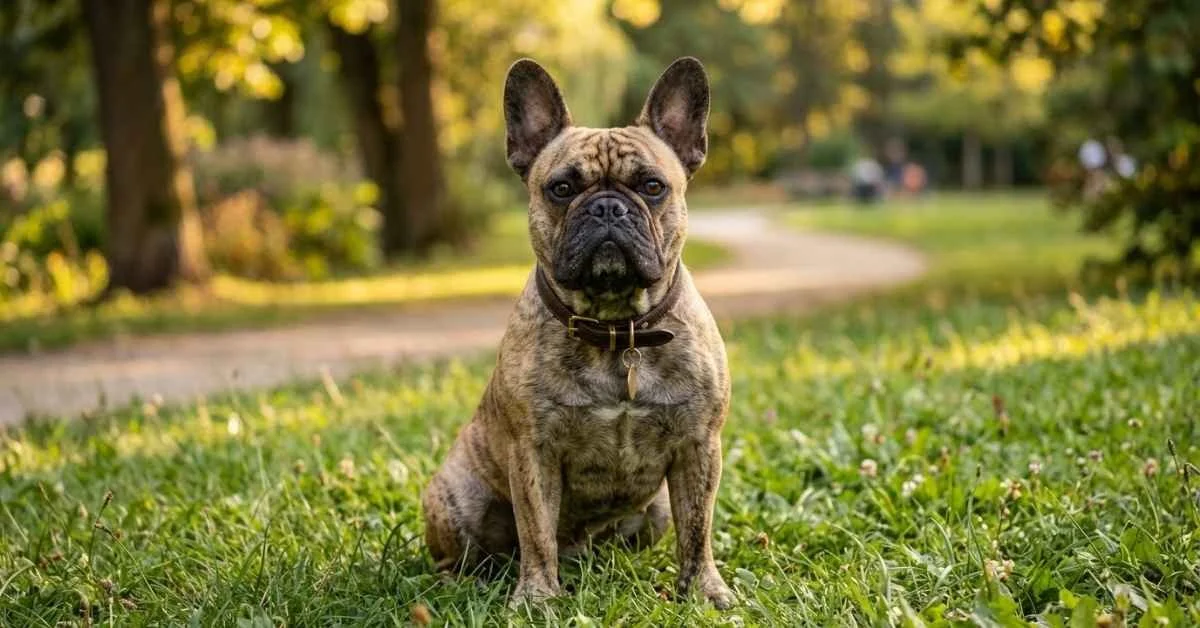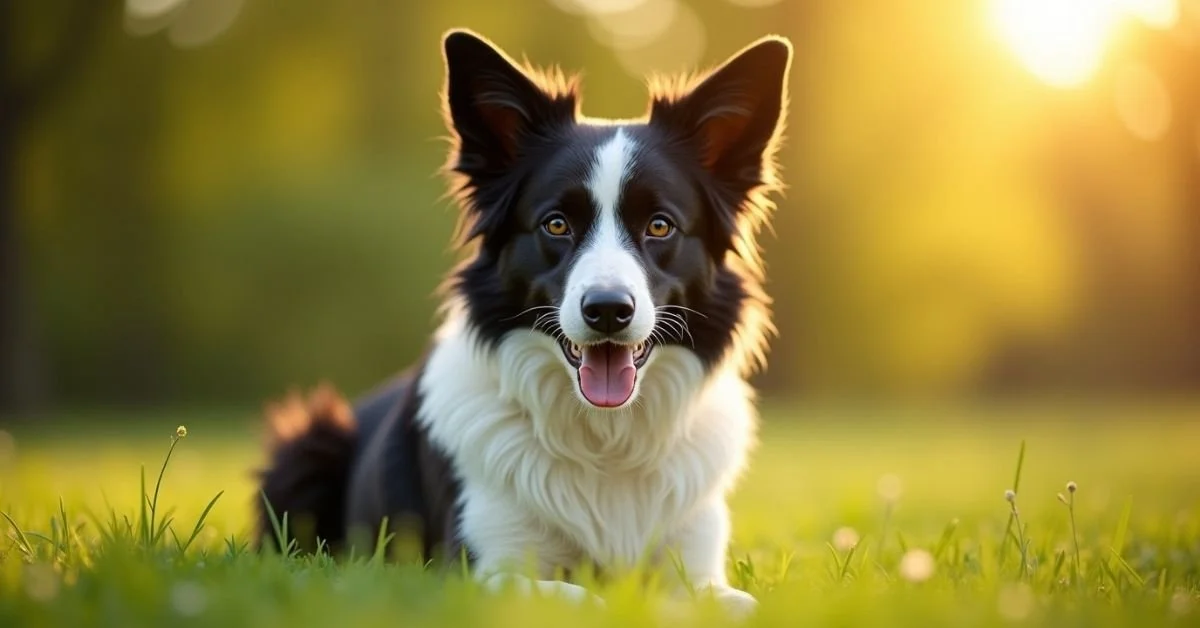
Medium-sized dog breeds offer the ideal balance between small and large breeds, combining energy, loyalty, and adaptability. Whether you live in a city apartment or a suburban home, medium-sized dog breeds bring companionship without overwhelming your living space. In this guide, we’ll explore the benefits, top breeds, care tips, and training advice for medium dogs, helping you choose the right furry friend for your lifestyle.
Table of Contents
Why Choose a Medium Sized Dog Breeds?
Benefits of Medium-Sized Dogs
Medium size dog breeds often have the best traits of both small and large breeds. They are easier to handle than giant breeds, but usually require more exercise than small lap dogs. According to the ASPCA, medium dogs are generally versatile, making them excellent family pets, therapy dogs, and active companions.
Some benefits include:
- Manageable size: Easier to transport, groom, and bathe.
- Adaptable energy levels: Can enjoy both outdoor play and indoor relaxation.
- Lifespan: Many medium breeds live between 10–15 years, offering long-term companionship.
Ideal Living Situations for Medium Dogs
Medium-sized dogs thrive in various environments. If you live in an apartment, breeds like the Cocker Spaniel or Whippet can adapt well to daily walks and mental stimulation. Suburban or rural homes with yards suit active breeds like the Australian Shepherd or Border Collie, who enjoy running and agility exercises.
According to the ASPCA, many medium sized dog breeds adapt well to homes of all sizes when given proper exercise and enrichment.
Top 15 Medium-Sized Dog Breeds
Here’s a detailed look at the most popular medium-sized dog breeds, including their temperament, care needs, and suitability for families.
1. Beagle

Beagles are friendly, curious, and cheerful dogs with strong hunting instincts. Known for their keen noses, they enjoy exploring outdoor scents and staying mentally stimulated through games or tracking activities. Their affectionate personalities make them wonderful family pets, especially in homes with children. Although compact, Beagles are energetic and need daily walks or playtime. They adapt well to apartment living when properly exercised. Social and food-motivated, Beagles excel in obedience and positive reinforcement training.
Key Traits:
- Cheerful and outgoing
- Strong sense of smell
- Excellent with children
- Food-motivated and trainable
- Moderate shedding
Best For:
- Families with kids
- Apartment dwellers
- Active owners who enjoy walks or hikes
Common Health Notes: Ear infections, obesity risk, allergies
Care Difficulty Level: Easy–Moderate
2. Cocker Spaniel

Cocker Spaniels are affectionate, intelligent dogs known for their expressive eyes and silky coats. Originally bred as hunting companions, they maintain a playful spirit and thrive on human interaction. This breed enjoys obedience training, interactive games, and gentle outdoor activities. They crave companionship and can become anxious if left alone for long periods. Their luxurious coat requires regular grooming to prevent mats and maintain shine. Cocker Spaniels adapt well to both houses and apartments.
Key Traits:
- Gentle and affectionate
- Intelligent and eager to please
- Moderate energy level
- Beautiful, high-maintenance coat
Best For:
- Families
- First-time dog owners
- Homes with consistent human companionship
Common Health Notes: Ear infections, eye conditions
Care Difficulty Level: Moderate–High (due to grooming)
3. Bulldog

Bulldogs are calm, loyal, and deeply devoted companions. Their muscular bodies and expressive wrinkles make them instantly recognizable. Despite their tough appearance, they are gentle, affectionate, and well-suited for quieter lifestyles. Bulldogs prefer short daily walks and are sensitive to heat due to their brachycephalic structure. They thrive in relaxed indoor environments and enjoy lounging beside their favorite people.
Key Traits:
- Calm and low energy
- Gentle family companion
- Heat sensitive
- Minimal grooming needs
Best For:
- Apartment living
- Less active owners
- Families wanting a calm indoor dog
Common Health Notes: Breathing issues, joint sensitivity
Care Difficulty Level: Moderate
4. Australian Shepherd

Australian Shepherds are energetic, brilliant, and eager to work. Bred for herding, they excel in agility, obedience, and other activities that require mental focus. They thrive when given daily physical challenges and tasks. Their high intelligence makes them easy to train but also prone to boredom without stimulation. Aussies form deep bonds with their families and often act as natural guardians.
Key Traits:
- Extremely intelligent
- High energy
- Loyal and protective
- Excellent work ethic
Best For:
- Active owners
- Homes with yards
- People interested in dog sports
Common Health Notes: Hip dysplasia, eye conditions
Care Difficulty Level: High
5. Border Collie

Border Collies are widely considered the most intelligent dog breed. They excel in problem-solving, obedience, and high-energy activities. These dogs need regular exercise, mental challenges, and structured routines to thrive. Border Collies bond closely with their families and often become intuitive companions who can learn complex commands quickly.
Key Traits:
- Exceptional intelligence
- Highly energetic
- Quick learner
- Strong work drive
Best For:
- Very active households
- Owners who enjoy training
- Homes with large yards
Common Health Notes: Hip issues, eye concerns
Care Difficulty Level: High
For more details, you can read Border Collie Complete Care & Breed Guide.
6. American Staffordshire Terrier

This breed is strong, affectionate, and people-oriented. American Staffordshire Terriers are confident dogs with a playful streak, especially around their families. They thrive on structured training and enjoy being mentally engaged. Early socialization helps reinforce polite behavior around other animals. Despite their muscular look, they are gentle and loving with children.
Key Traits:
- Loyal and affectionate
- Confident and intelligent
- Playful energy
- Strong build
Best For:
- Experienced dog owners
- Families with older children
- Active lifestyles
Common Health Notes: Skin allergies, joint issues
Care Difficulty Level: Moderate
7. Brittany Spaniel

Brittanys are enthusiastic, athletic, and versatile hunting dogs. They learn quickly and enjoy hiking, running, scent games, and outdoor adventures. Their gentle temperament and sociable nature make them great family pets. Brittanys thrive on structured activity and do best with owners who love staying active.
Key Traits:
- Energetic and agile
- Highly trainable
- Sociable and gentle
- Low-maintenance coat
Best For:
- Outdoor-loving families
- Runners or hikers
- Homes with active routines
Common Health Notes: Hip dysplasia, epilepsy
Care Difficulty Level: Moderate
8. Standard Schnauzer
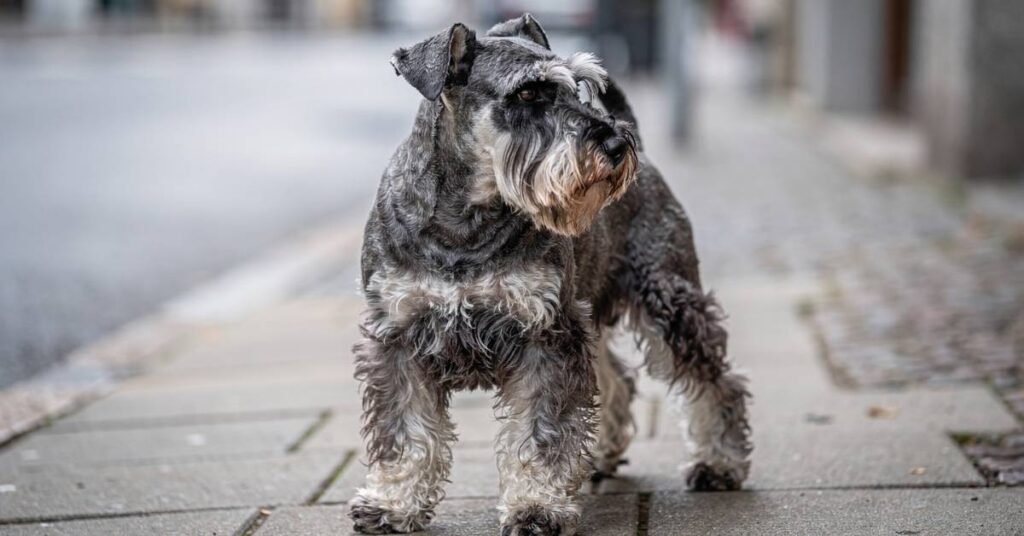
Standard Schnauzers are alert, intelligent, and versatile companions. This breed excels as both a working dog and a devoted family member. They are protective without being overly aggressive and highly responsive to training. Schnauzers need regular mental challenges to stay content. Their wiry coat requires routine grooming.
Key Traits:
- Intelligent and trainable
- Natural watchdog
- Loyal family companion
- Moderate to high activity
Best For:
- Homes wanting a protective dog
- Active families
- Owners who enjoy training
Common Health Notes: Hip concerns, eye issues
Care Difficulty Level: Moderate–High
9. Shetland Sheepdog
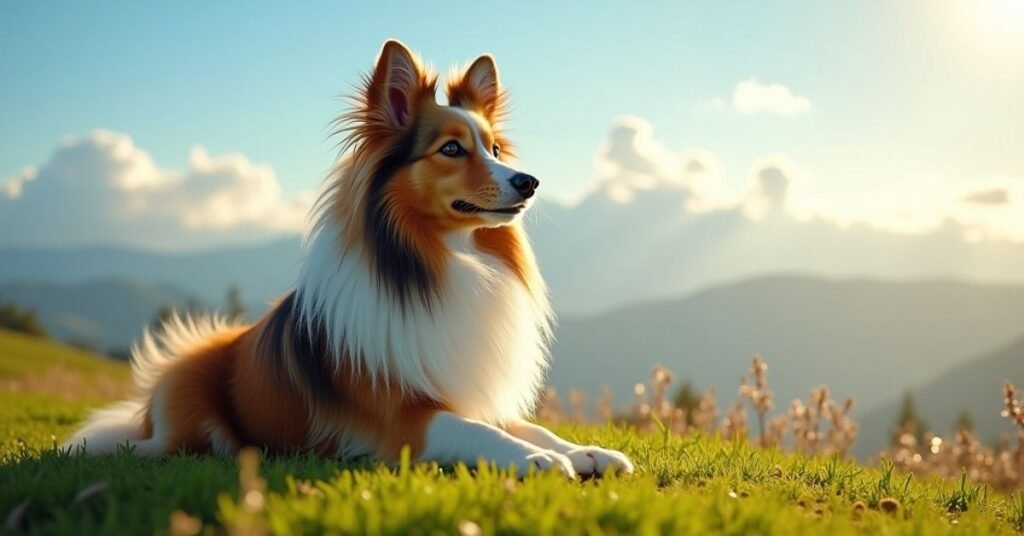
Shetland Sheepdogs, or Shelties, are smart, sensitive, and devoted. They resemble miniature Collies and share the same shepherding instincts. Shelties thrive with structured routines, training sessions, and family interaction. They are gentle dogs that do exceptionally well with children. Their long coat requires consistent grooming.
Key Traits:
- Highly intelligent
- Gentle and family-oriented
- Alert and vocal
- Beautiful long coat
Best For:
- Families
- Homes with time for grooming
- Owners who enjoy obedience or agility
Common Health Notes: Thyroid issues, eye concerns
Care Difficulty Level: Moderate
10. Staffordshire Bull Terrier

Staffies are muscular, affectionate, and known for their big smiles. They have warm, people-loving personalities and are wonderful with children when socialized early. Staffies enjoy moderate exercise, mental stimulation, and close companionship. They dislike being isolated for long periods.
Key Traits:
- Friendly and affectionate
- Strong and athletic
- Devoted to family
- Moderate exercise needs
Best For:
- Families with kids
- Active owners
- Homes seeking a loyal companion
Common Health Notes: Skin allergies
Care Difficulty Level: Easy–Moderate
11. Vizsla

Vizslas are affectionate, sporty, and deeply attached to their families. Often called “velcro dogs,” they love constant companionship. Their sleek build and high energy make them excellent partners for running, hiking, or outdoor adventures. Vizslas respond well to positive training and need daily activity to prevent boredom.
Key Traits:
- High-energy athlete
- Affectionate and people-focused
- Sensitive and intelligent
- Short, low-maintenance coat
Best For:
- Runners and hikers
- Active families
- Owners who are home often
Common Health Notes: Hip issues, thyroid concerns
Care Difficulty Level: Moderate
12. Whippet

Whippets are gentle, quiet, and affectionate dogs with bursts of incredible speed. Known for their graceful build, they are surprisingly mellow indoors. Whippets enjoy cozy living spaces, short runs, and soft blankets. They are polite with people and other dogs, making them great apartment pets.
Key Traits:
- Sensitive and gentle
- Low-shedding
- Quiet and calm indoors
- Fast sprinter outdoors
Best For:
- Apartment homes
- Low to moderate activity levels
- Families seeking a soft-natured dog
Common Health Notes: Heart issues, thin skin injuries
Care Difficulty Level: Easy
13. Dalmatian
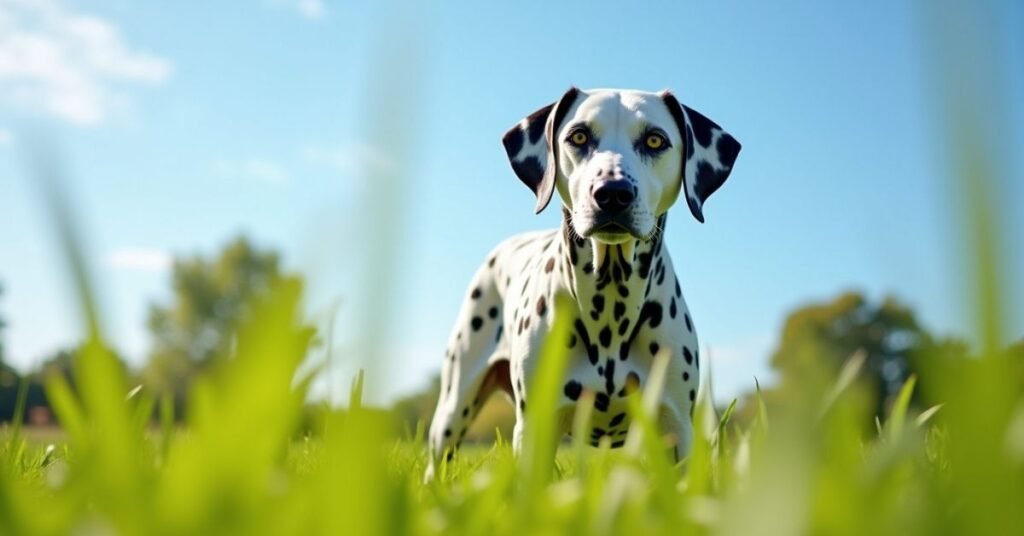
Dalmatians are intelligent, athletic, and famous for their spotted coats. Originally bred as carriage dogs, they have impressive stamina and need daily exercise. Dalmatians bond closely with their families and enjoy structured routines. Their energetic personalities fit well with active homes.
Key Traits:
- High endurance
- Protective instincts
- Intelligent and alert
- Eye-catching appearance
Best For:
- Active households
- Owners who enjoy outdoor activities
- Homes with yards
Common Health Notes: Deafness, urinary stones
Care Difficulty Level: High
14. Finnish Spitz
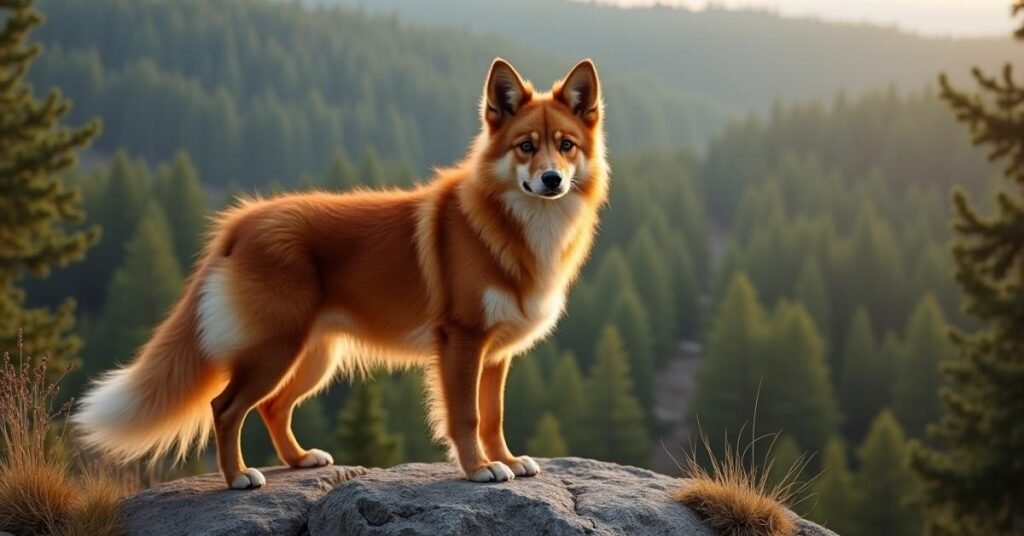
The Finnish Spitz is lively, playful, and known for its fox-like appearance. They are vocal dogs who communicate through expressive sounds, making early training important. This breed enjoys outdoor time, brisk walks, and mentally stimulating games. Loyal and affectionate, they bond closely with family members.
Key Traits:
- Playful and cheerful
- Naturally vocal
- Alert and curious
- Moderate energy
Best For:
- Active families
- Homes with patient trainers
- Rural or suburban settings
Common Health Notes: Hip dysplasia, patellar issues
Care Difficulty Level: Moderate
15. Portuguese Water Dog

Portuguese Water Dogs are intelligent, energetic, and love swimming. Originally bred to assist fishermen, they thrive on structured activities and need consistent mental engagement. Their curly, hypoallergenic coat requires regular grooming. They form strong bonds with their families and are great for people with allergies.
Key Traits:
- Highly intelligent
- Strong swimmers
- Hypoallergenic coat
- Energetic and playful
Best For:
- Active families
- Owners with time for training
- Homes seeking a low-shed dog
Common Health Notes: Hip issues, heart concerns
Care Difficulty Level: Moderate–High
How to Care for Medium-Sized Dogs
Nutrition and Diet
Medium-sized dogs need a balanced diet tailored to their age, weight, and activity level. High-quality dry kibble combined with occasional fresh foods can maintain optimal health. Consult PetMD for breed-specific dietary recommendations.
Exercise Needs
Daily exercise is crucial for medium breeds to maintain a healthy weight and prevent behavioral issues. Breeds like Border Collies or Australian Shepherds require rigorous physical and mental activities, while Bulldogs and Whippets prefer shorter, moderate sessions.
Grooming Tips
Grooming depends on coat type. Long-haired breeds like Shetland Sheepdogs and Cocker Spaniels require frequent brushing to prevent mats, while short-haired breeds like Beagles and Bulldogs need minimal grooming. Regular dental care and nail trimming are essential for all breeds.
Health Concerns
Common health issues in medium breeds include hip dysplasia, allergies, and heart conditions. Regular vet checkups, vaccinations, and preventive care are crucial. WebMD Pets provides excellent resources for breed-specific health information.
Training and Socialization Tips
Obedience Training Basics
Early training is essential for a well-behaved medium dog. Positive reinforcement techniques, such as treats and praise, work best. Consistency and patience help establish commands and routines effectively.
Socialization with Other Pets and Kids
Expose your dog to various environments, people, and pets early on. This builds confidence, reduces anxiety, and fosters friendly behavior. Medium dogs are generally adaptable but benefit from structured socialization sessions.
Final Thoughts
Medium-sized dog breeds are versatile, affectionate, and ideal for a variety of lifestyles. By understanding their exercise, grooming, and socialization needs, you can provide a loving home that ensures a happy, healthy companion. Explore more resources at pawsnpup.com to discover the best care tips for your medium-sized furry friend.
Frequently Asked Questions (FAQ)
Are medium-sized dogs good for apartments?
Yes, many medium breeds adapt well to apartment living if they get daily exercise and mental stimulation.
How long do medium dogs typically live?
Medium-sized dogs often live between 10–15 years, depending on breed, diet, and care.
Do medium dogs require special diets?
Some breeds have specific nutritional needs. Always consult your veterinarian for guidance based on age, weight, and activity level.
Which medium dog breeds are hypoallergenic?
Breeds like the Standard Schnauzer, Portuguese Water Dog, and some Spaniels produce fewer allergens, making them more suitable for allergy-sensitive households.
Looking for more dog inspiration? Click here to explore more pawsome content.