
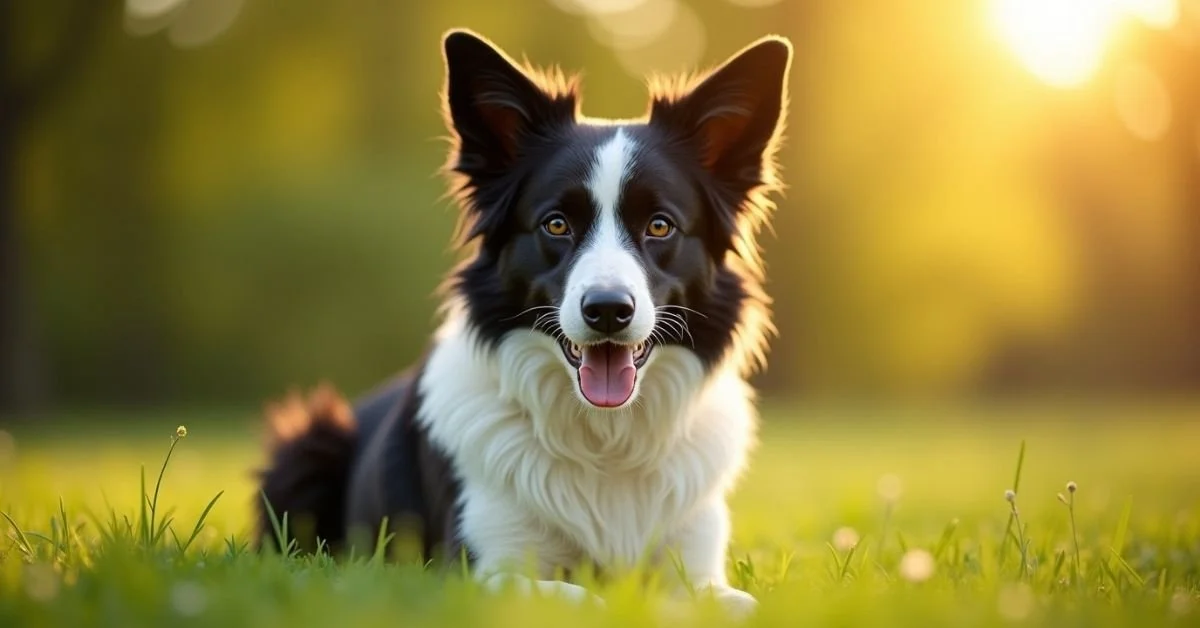
A border collie dog is one of the most intelligent and high-energy breeds — typically standing 18–22 inches tall, weighing 30–55 pounds, and living 12–15 years. They thrive on daily physical and mental exercise, enjoy mentally stimulating tasks like agility, and require regular grooming, socialization, and a stable routine to stay healthy and happy.
The border collie dog is known for sharp intelligence, boundless energy, and a strong herding instinct. This breed has earned a reputation as one of the most capable — and demanding — canine companions. Before you bring one home, it helps to understand exactly what life with a border collie can look like.
Below is a full guide to help you decide if this breed suits your lifestyle — and if so, how to offer a life that’s fulfilling, healthy, and happy for both you and your collie.
Table of Contents
Breed Overview

| Feature | Details |
| Size | Medium |
| Weight | Males: 30–45 lbs / Females: 30–42 lbs |
| Height | Males up to 22 in / Females up to 21 in |
| Coat | Double coat, rough or smooth |
| Lifespan | 12–15 years |
| Temperament | Intelligent, energetic, loyal, hardworking |
| Exercise Needed | 1.5 to 2 hours per day |
| Good for Families? | Yes, with active lifestyles |
| AKC Group | Herding |
Origins and history
The border collie dog traces its roots to the border region between Scotland and England. Historically, these dogs were bred for herding sheep — trusted to manage flocks across rugged terrain and unpredictable weather. Over centuries, careful breeding produced dogs with unmatched stamina, agility, intelligence, and that iconic “herding eye.” Although originally working dogs, many border collies today are beloved family pets and sports dogs. Encyclopedia Britannica
Size and Appearance
The Border Collie is medium-sized with a well-proportioned, athletic frame. They’re built for endurance, not bulk. You won’t mistake one for a Rottweiler.
Their eyes are one of their most striking features. Most have oval-shaped, brown eyes, but merle-colored dogs can have blue or even mismatched eyes, which sounds unusual until you see it in person and realize it’s just unfairly beautiful.
Coat Types and Colors
The Border Collie comes in two coat types:
| Coat Type | Description |
| Rough | Medium-length, feathered, often with a lush mane |
| Smooth | Shorter, coarser, still double-coated |
Both coat types are weather-resistant, which makes sense for a dog bred to work outdoors in Scottish hill country.
Color-wise, they come in an impressive range — black and white being the most iconic, but also blue merle, red, lilac, sable, and tri-color patterns. Both coat types shed. Regularly. Don’t buy a black sofa.
Typical lifespan & health profile
A border collie dog’s lifespan typically ranges between 12 and 15 years. Encyclopedia Britannica
In general, they’re considered healthy when properly cared for. Still, like all breeds, they may be prone to certain health issues — especially related to joints, eyes, or hereditary conditions. PetPlace
Temperament, Intelligence & Energy Level

Typical personality traits
Border collies are often hailed as one of the most intelligent dog breeds. PetMD They tend to form strong bonds with their owners and families — loyal, alert, affectionate, and deeply aware of their surroundings. At the same time, many border collies may be reserved around strangers or other animals unless properly socialized. Encyclopedia Britannica
Herding instinct & natural drive
Because their ancestors worked long days herding sheep, Border Collies often retain a strong “herding instinct.” This instinct can manifest even in a household setting — from chasing moving objects, “herding” children or pets, to fixating on fast movements. Without proper outlets, their intensity can lead to problematic behaviors. Atlas Pet Hospital
Why mental and physical stimulation matter
A border collie dog needs more than a quick walk or occasional play. Their mind craves challenge; their body, regular, rigorous exercise. If they don’t get enough mental or physical stimulation, many owners observe destructive behaviors such as digging, chewing, excessive barking, or restlessness. PetMD
Caring for a Border Collie Dog

Exercise and activity requirements
Expect to spend a good portion of your day actively engaging with a Border Collie. For most adult collies, 1–2 hours (or more) of vigorous exercise daily is ideal. Activities could include running, agility training, fetch, long walks, herding games, or Frisbee. PetMD Border Collie
For puppies and young dogs, this energy is even more pronounced. But be mindful: too much high-impact exercise when a dog is still growing can strain joints. As they age, adjust activity levels as needed (senior collies may need less intense but gentle walks). PetMD Border Collie.
Without proper activity, a border collie dog may become bored, anxious, and resort to undesirable behaviours — chewing, digging, barking, or destructive energy release. PetMD
Grooming needs and coat care
Thanks to their double coat — whether rough or smooth — a border collie requires regular grooming. Brushing at least once or twice a week keeps the coat healthy, reduces shedding, and prevents matting. Purina Border Collie.
During seasonal coat changes (often spring and fall), more frequent brushing may be necessary. This helps remove loose undercoat and reduces shedding around the house. Encyclopedia Britannica Border Collie
Other grooming basics — nail trimming, ear cleaning, dental care — should become part of your routine. A healthy coat and clean body help prevent skin issues, discomfort, and keep your collie happier overall.
Health considerations and common issues
While border collies are generally hardy, several inherited or breed-typical health problems can arise:
- Hip dysplasia or joint issues — especially in very active dogs. PetMD+1
- Eye conditions such as progressive retinal atrophy (PRA) or collie eye anomaly (CEA), potentially leading to vision issues. PetPlace+2Purina+2
- Occasionally, neurological or seizure-related issues in some lines. PetPlace
Regular vet check-ups, eye examinations, joint monitoring (especially for older dogs), and a balanced diet with joint-healthy nutrients can help maintain long-term health.
Training, socialization, and behavior management
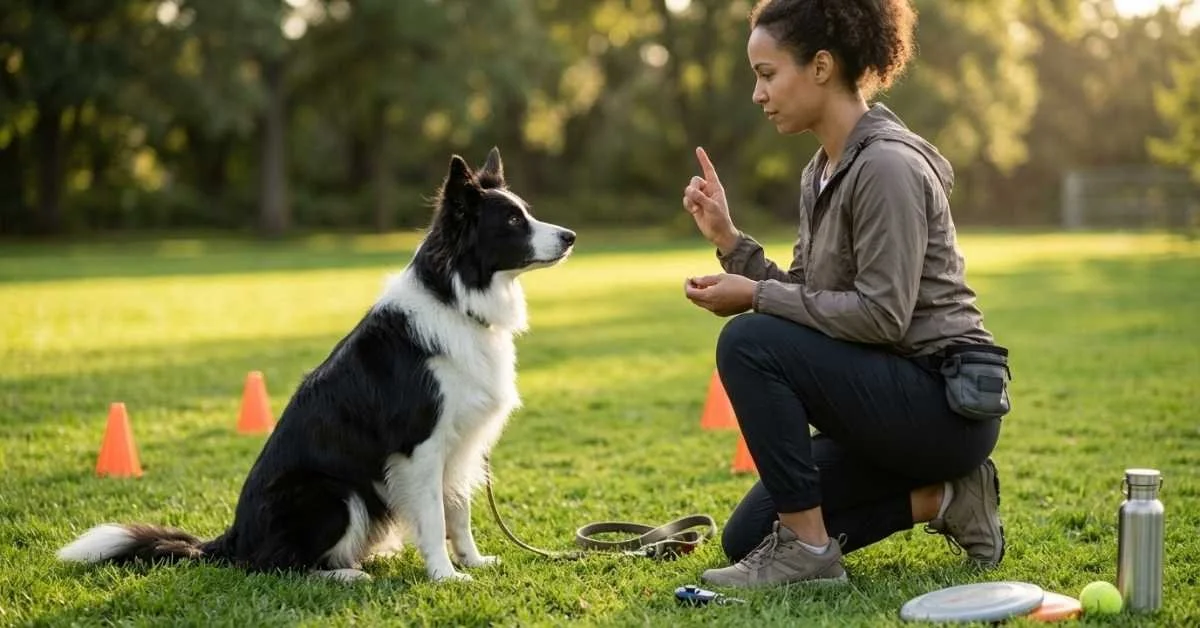
Training and socialization aren’t optional — they’re essential for a border collie dog. Early socialization helps them adjust to people, pets, environments and reduce fear or overprotective instincts. Positive reinforcement, consistency, and structured training give them the mental challenge they crave and help curb obsessive or destructive behaviors. PetMD
Because they’re bright and eager to work, many border collies excel in obedience training, agility, herding classes, and canine sports. Giving them a “job” — even if it’s just structured play — provides purpose and outlets for their energy. For more details, you can read the Border Collie Dog Complete Care Guide.
Is a Border Collie the Right Fit for You?

Ideal owner/household profile
A border collie dog thrives with:
- Active individuals or families with time and energy for daily exercise
- People who enjoy the outdoors, running, hiking, or dog sports
- Owners willing to invest time in training, mental stimulation, and grooming
- A living space with room to run — ideally a yard or frequent access to open areas
When a Border Collie may not be the best choice
If you lead a sedentary lifestyle, travel frequently, work long hours away from home, or live in a small apartment without adequate outside access, a border collie might not be ideal. Without proper outlets, their intelligence and energy can manifest as destructive behaviors, anxiety, or stress.
If you prefer a calm, low-maintenance lap dog or are a first-time dog owner looking for an easy-going temperament, there are other breeds better suited.
Daily Care Tips for Border Collie Dogs

Nutrition & hydration basics
Feed a high-quality, breed-appropriate diet that supports energy needs and joint health. Given their activity level, border collies often do best with a balanced diet rich in protein, healthy fats, and joint-support nutrients. Provide fresh water at all times — particularly after exercise.
Avoid frequent diet changes: consistency helps digestion. Also, consult with your vet to ensure your dog’s food meets its life stage (puppy, adult, senior) and activity level. This care principle echoes what general dog-care guides recommend. Paws N Pup
Mental stimulation & enrichment activities
Because a border collie dog thrives on mental challenge, simply walking is seldom enough. Incorporate games, training sessions, and interactive toys. Try agility drills, fetch, herding-style games, scent work, or puzzle toys. Some collies even enjoy advanced tasks like competitive obedience or herding trials.
Rotate toys, change routines, and offer novel challenges to keep their mind engaged and prevent boredom. This aligns well with broader pet-care advice about mental stimulation for dogs. Paws N Pup
Creating a safe, comfortable home environment
Ensure your home (and yard, if applicable) is secure — fence the yard to prevent wandering or chasing cars if the natural herding instinct kicks in. Provide a cozy resting spot and a calm, stable routine. Maintain grooming, vet checkups, and make sure there’s enough space and time for exercise.
Treat your border collie as more than a pet — think of them as a working, intelligent companion who thrives when given purpose, structure, and love.
Real-Life Examples — Living with a Border Collie

Take “Riley,” a border collie dog adopted by an active family living near countryside trails. Every morning, Riley joins the kids for a jog, then spends time learning a new trick before school. In the afternoon, the family plays Frisbee on the lawn — Riley jumps, fetches, runs, then curls up at night, happily tired.
By contrast, “Maya,” a border collie living in a small city apartment with minimal walks, started showing stress: chewing furniture, barking excessively, and pacing. After adding a daily 1.5-hour walk, plus training sessions and puzzle toys, behavior improved significantly.
These stories underscore the truth: a border collie dog can thrive — or struggle — depending on how well their needs are met.
Conclusion
A border collie dog is more than a pet — they’re a companion built for action, intellect, and deep bonds. If you’re ready to commit to their energy, provide daily exercise, mental stimulation, proper grooming, and consistent care, you’ll be rewarded with loyalty, joy, and a vibrant addition to your family.
But if your daily rhythm doesn’t match their drive — and you can’t offer them the outlets they need — consider a breed with lower maintenance demands.
Choose carefully. Commit fully. And you might just have the best friend you’ve ever had.
FAQ’S
What is the average lifespan of a Border Collie dog?
Border Collie dogs typically live 12–15 years, with many reaching their senior years in excellent health when given proper nutrition, exercise, and preventive vet care.
How much daily exercise does a Border Collie need?
Border Collies need at least 1.5–2 hours of high-energy activity every day, including running, agility, fetch, or herding-style games to stay mentally and physically balanced.
Do Border Collies shed a lot?
Yes. Border Collies are moderate to heavy seasonal shedders, especially during spring and fall. Regular brushing (2–3 times per week) helps control loose fur and keeps their coat healthy.
Are Border Collies good for first-time dog owners?
Border Collies are not ideal for most first-time dog owners because of their intense energy, working instincts, and mental needs. They thrive with experienced or active owners who can commit to training and stimulation.
Are Border Collies good with kids?
They can be great with kids but may herd small children due to natural instincts. Early training helps prevent this behavior.
Looking for more dog inspiration? Click here to explore more pawsome content.







1 thought on “Border Collie Dog — Complete Care & Breed Guide”