Choosing your first dog is easier when you compare everyday needs, not just appearance. These 15 breeds offer different combinations of activity, companionship, grooming and health considerations. Use the guide to build a shortlist, then assess the individual dog.
Choosing among the best dog breeds for first-time owners starts with an honest look at the time, energy and care you can provide every day. The right match is not simply the breed with the friendliest reputation; it is the individual dog whose needs fit your household.
Key Takeaways
- The best first dog is one whose exercise, grooming, training and social needs fit your real routine.
- Labradors, Golden Retrievers and Beagles can suit active households, but they need regular activity and consistent training.
- Small companion breeds may need less strenuous exercise, but many require frequent coat care and close companionship.
- Pugs, Boston Terriers, French Bulldogs and Shih Tzus need particular care around heat and breathing because of their shortened muzzles.
- Breed tendencies are not guarantees. An adult dog with a known history may be a better match than a puppy for some first-time owners.
How to Choose a First Dog That Fits Your Life
There is no single breed that is easiest for every beginner. A dog that feels manageable in one household may be a poor match for another. Before looking at breed names, consider how much time you can reliably give to walks, toilet breaks, training, play, grooming and companionship.

The American Veterinary Medical Association’s guide to selecting a pet dog recommends thinking about your home, lifestyle, available time, family members, costs and the dog’s care needs before making a decision. It also encourages prospective owners to consider adult dogs, not only puppies.
Start with an ordinary weekday. How long will the dog be alone? Who can provide a midday toilet break? Can you manage a large, enthusiastic dog on a lead? Are you prepared for regular brushing or professional grooming? Do you have the budget for routine veterinary care and unexpected treatment? These questions are more useful than choosing a breed because it is popular or described as low-maintenance.
For a broader decision framework, see our Dog Breeds hub and our guide to exploring breed profiles by temperament, energy, grooming and health. Breed descriptions can narrow your options, but meeting the individual dog matters just as much.
15 Dog Breeds First-Time Owners Can Research
The breeds below are not ranked from easiest to hardest. They are examples worth researching for different household preferences. Each comes with trade-offs, and the right choice depends on the individual dog’s temperament, health, age and history.
1. Labrador Retriever
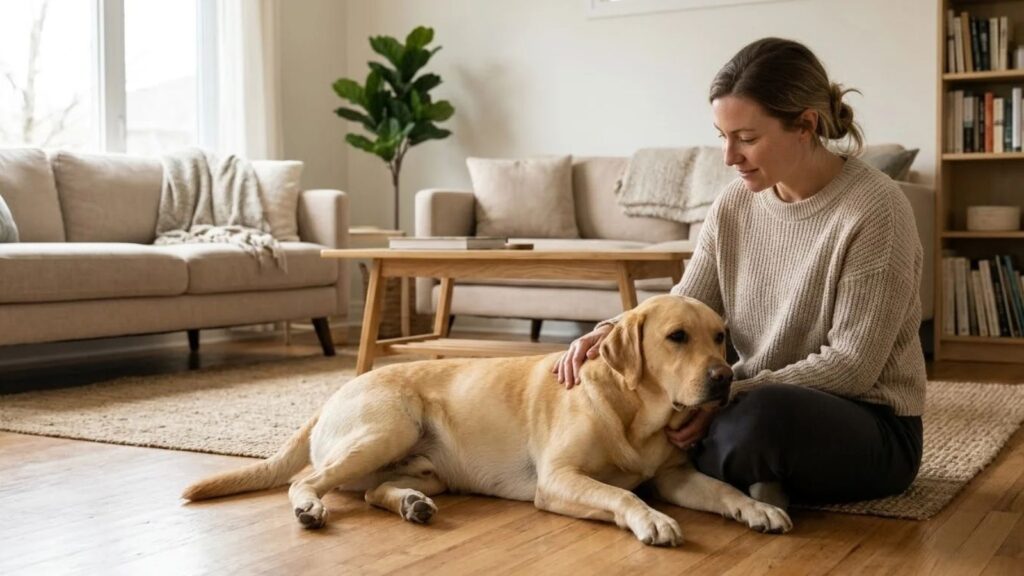
Labradors are friendly, outgoing sporting dogs that often enjoy being included in family activities. Their enthusiasm and willingness to work with people can make training rewarding, but they are not naturally low-effort pets. They need daily physical activity, mental stimulation and consistent manners training, particularly while young. Their dense double coat sheds, so expect regular brushing and hair around the home.
A Labrador may suit an active first-time owner who wants a larger companion for walks, games and training. It may be a difficult match for someone who wants a quiet dog with minimal exercise needs. Ask a responsible breeder for documented hip, elbow, eye and relevant genetic screening. The American Kennel Club’s Labrador profile outlines the breed’s activity and care needs.
2. Golden Retriever
Golden Retrievers are sociable, intelligent dogs that often enjoy learning and spending time with people. They can be affectionate family companions, but their size and energy mean they need more than a quick walk around the block. Daily activity, reward-based training and opportunities to use their minds should be part of the routine.
Their thick coat sheds and needs regular brushing, especially during seasonal coat changes. Goldens can be a good match for owners who want an involved, active dog and can budget time for coat care. They are not a shortcut to effortless ownership. Review health history and discuss breed-associated screening with a veterinarian. PetMD’s Golden Retriever profile is written by a veterinarian and reviewed by a veterinarian.
3. Beagle
Beagles are cheerful scent hounds with a strong interest in following smells. That instinct can make walks entertaining, but it also means a Beagle may ignore a recall cue when an interesting scent takes over. Use a secure lead outside enclosed areas, practise reward-based training and provide scent games or food-search activities.
Beagles are social and can be vocal. Howling or barking may be difficult in homes with close neighbours, so think about your living situation before choosing one. A Beagle can suit an owner who enjoys outdoor activity and patient training, but may frustrate someone expecting instant obedience. See the AKC Beagle profile for its breed characteristics.
4. American Cocker Spaniel
This guide refers to the American Cocker Spaniel, not the English Cocker Spaniel. American Cockers are affectionate sporting companions, but their silky coat needs regular, thorough care. Brushing, combing, ear checks and scheduled grooming should be part of the household routine and budget. Neglected coat care can lead to tangles and mats.
Cockers often enjoy being with their people and can respond well to patient, positive training. Their ears need attention because the long, hanging ear leather can reduce airflow. This breed may suit a first-time owner who wants an interactive companion and is comfortable with ongoing grooming. Review the AKC Cocker Spaniel profile and ask the breeder which health tests are recommended by the national breed club.
5. Shetland Sheepdog
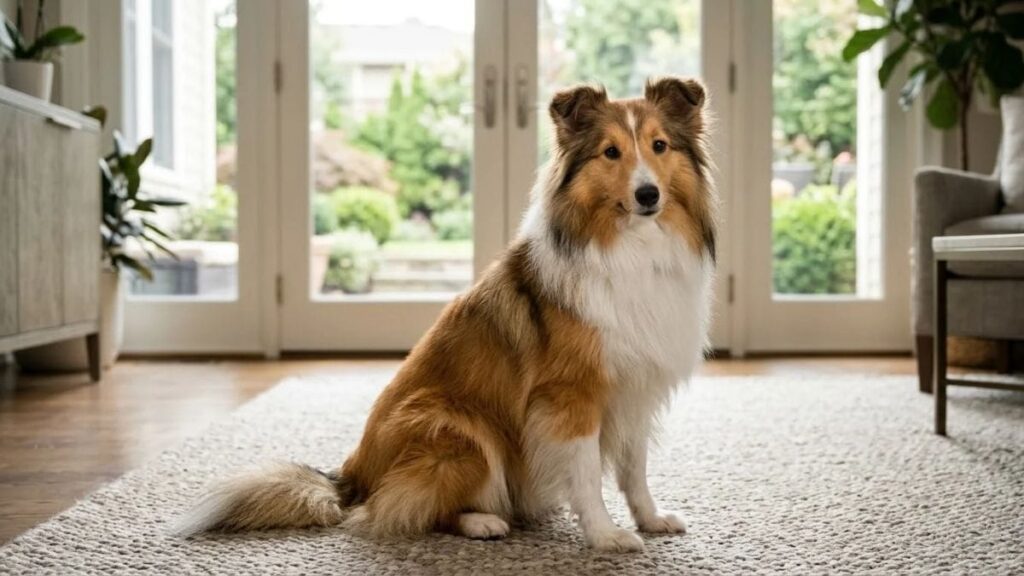
Shetland Sheepdogs, often called Shelties, are intelligent herding dogs that tend to learn quickly and notice changes around them. They need physical activity and mental work, not simply a garden in which to spend time. Training games, food puzzles and structured activities can help give their minds something useful to do.
Shelties have a dense double coat that sheds and needs regular brushing. Some are vocal, and their herding background can show up as alerting or chasing movement. They may suit a first-time owner who enjoys teaching skills and can manage barking and coat care. The AKC Shetland Sheepdog profile describes the breed’s activity, coat and training traits.
6. Poodle
Poodles come in Toy, Miniature and Standard varieties. Their size, handling needs and daily activity should be considered separately rather than assuming every Poodle has the same routine. Poodles are intelligent and athletic, and they often enjoy training, games and activities with their people.
Their curly coat is low-shedding, but it is not low-maintenance. It can mat close to the skin without regular brushing and clipping. Many owners arrange professional grooming every few weeks or learn a consistent home-care routine. Poodles are not guaranteed to be hypoallergenic. If allergies are a concern, read our guide to what the research says about hypoallergenic dog breeds and spend time around the individual dog before deciding. See the AKC Poodle profile for breed information.
7. Cavalier King Charles Spaniel
Cavaliers are affectionate companion dogs that often enjoy being close to their people. Their social nature can make them a lovely fit for someone who wants a dog involved in daily home life. However, they may find long periods alone difficult, so owners need a realistic plan for workdays and travel.
Inherited heart disease, particularly mitral valve disease, is an important health concern in the breed. Do not rely on a general promise that a puppy’s parents are healthy. Ask for documented health information and discuss cardiac screening with a veterinarian. The AKC Cavalier profile lists recommended health evaluations, and the Cavalier King Charles Spaniel Club, USA health-testing guidance includes cardiac evaluation.
8. Bichon Frise
Bichons are small, cheerful companion dogs that often enjoy play and learning with their people. Their size can make handling and transport easier, but it does not remove the need for daily activity, training or companionship. Some Bichons take patience with housetraining, so consistency and positive rewards matter.
Their coat needs frequent brushing and regular professional grooming to prevent mats. Low shedding does not mean no grooming, and it does not guarantee an allergy-free experience. The AKC Bichon Frise profile describes the breed’s coat care and exercise needs. Choose a Bichon only if you can manage both its social needs and its grooming schedule.
9. Havanese
Havanese are sociable companion dogs that often enjoy being close to their families. They can adapt to different home sizes when their daily needs are met, but they are not a good choice for someone who expects a dog to be content alone for most of the day. Plan for interaction, play and gradual practice with calm alone time.
Their silky coat needs frequent brushing if kept long. Some owners choose a shorter trim to reduce the amount of daily coat work, although regular grooming is still necessary. Havanese often respond well to gentle, reward-based training. See the AKC Havanese profile for more on their social nature, grooming and activity needs.
10. Maltese
Maltese are tiny companion dogs with a lively, affectionate nature. Their small size calls for gentle handling and thoughtful supervision, particularly around young children or larger, boisterous pets. They still need daily interaction, training, exercise and preventive veterinary care.
A long Maltese coat needs daily brushing and combing to prevent tangles. Dental care also deserves attention in small breeds, so ask your veterinarian about an appropriate home-care routine. Maltese may suit an owner who wants a small companion and is prepared for regular coat and dental care. The AKC Maltese profile outlines the breed’s grooming and care needs.
11. Papillon

Papillons are small, alert dogs that are often more athletic than their size suggests. They can enjoy learning tricks, agility-style games and other activities that challenge both body and mind. Their intelligence can make training fun, but they still need patient, consistent teaching and early socialisation.
Their coat is usually less demanding than that of some long-coated toy breeds, but it still needs regular brushing, particularly behind the ears and around areas where tangles can form. Because Papillons are small, supervise play with much larger dogs and protect them from rough handling. The AKC Papillon profile describes their alert, active nature and coat care.
12. Shih Tzu
Shih Tzus were developed as companion dogs and often enjoy a close relationship with their families. Their exercise needs may be manageable for people who prefer shorter, gentler outings, but they still need daily movement, play and training. Their long coat requires regular brushing and professional grooming unless kept in a shorter style.
Their shortened muzzle and heavy coat can make hot weather harder to manage. Keep them cool, avoid strenuous activity in heat and speak with a veterinarian about noisy or laboured breathing. Do not assume breathing difficulty is simply normal for the breed. The AKC Shih Tzu profile discusses coat care and heat sensitivity.
13. Pug
Pugs are affectionate, playful companion dogs, but their short muzzle creates important health and management considerations. Some Pugs have difficulty breathing efficiently and may struggle to cool themselves through panting, particularly in hot or humid weather. They also need careful weight management because excess weight can worsen breathing and mobility problems.
Plan for gentle activity in cool conditions, maintain a healthy body condition and never leave a Pug in a parked car. Heavy panting, breathing difficulty, weakness or collapse needs urgent veterinary attention. The AKC Pug profile outlines breed-related heat and breathing concerns.
14. Boston Terrier
Boston Terriers are compact, lively companions that often enjoy play and time with their people. Their short coat is relatively straightforward to maintain, but coat care is only one part of responsible ownership. Their shortened muzzle means breathing and heat tolerance need careful consideration.
Plan walks for cooler parts of the day, avoid strenuous activity in heat and discuss noisy, laboured or restricted breathing with a veterinarian. Cornell University’s veterinary guidance identifies Boston Terriers among the short-muzzled breeds at increased risk of heatstroke. Read the AKC Boston Terrier profile alongside Cornell’s dog heat-safety guidance.
15. French Bulldog

French Bulldogs are affectionate, playful companion dogs, but their popularity should not obscure their health needs. Their shortened muzzle can contribute to breathing difficulties and reduced ability to cool themselves. Their front-heavy build also means they should never be left unattended around pools or other water where they could struggle.
Keep them lean, avoid strenuous exercise in warm or humid weather and discuss breathing, skin or movement concerns with a veterinarian. If you are considering this breed, read our detailed French Bulldog temperament, health and care guide before making a decision. Cornell also lists French Bulldogs among breeds at increased risk of heatstroke.
Compare the Trade-Offs Before You Choose

| Your priority | Breeds to research | Trade-off to consider |
| You enjoy active walks and training | Labrador, Golden Retriever, Beagle, Shetland Sheepdog, Papillon | These dogs need regular activity, training and mental engagement. Beagles also need secure scent management. |
| You want a small companion | Havanese, Maltese, Papillon, Bichon Frise, Shih Tzu | Small size does not remove grooming, training, socialisation or health needs. |
| You can manage professional grooming | Poodle, American Cocker Spaniel, Bichon Frise, Havanese, Maltese, Shih Tzu | Budget for brushing, coat maintenance and scheduled grooming. |
| You want a dog that can learn with you | Labrador, Golden Retriever, Poodle, Shetland Sheepdog, Papillon | Trainability still requires consistency, patience and suitable motivation. |
| Your home is hot or humid | Research non-flat-faced breeds first | All dogs can overheat, but short-muzzled breeds face additional risk. |
| You are away for long workdays | Consider an adult dog with a known history | No breed is a reliable solution to long daily isolation. Arrange appropriate care and companionship. |
| Allergies are a concern | Meet individual dogs before deciding | No breed is guaranteed hypoallergenic. Low shedding is not the same as allergen-free. |
How to Shortlist Your First Dog
- Write down the time you can reliably provide each day for walks, toilet breaks, play, training and grooming.
- Decide how long the dog would be alone. Arrange realistic care for workdays, travel and emergencies before bringing the dog home.
- Choose three breeds whose exercise, coat and social needs fit your routine. Include an adult rescue dog in the comparison.
- Meet adult dogs where possible. Observe their energy, response to handling, recovery after excitement and comfort around normal household activity.
- Ask breeders or rescues for health records and known behaviour history. For a purebred puppy, check the relevant breed club’s recommended health tests and ask to see documentation.
- Discuss breed-related health risks, preventive care and likely costs with a veterinarian before committing.
Training is part of the commitment, whatever breed you choose. Our guide to dog training basics for new owners explains how routines, socialisation and reward-based methods help build useful habits. For day-to-day care, see our complete dog care guide.
What Breed Descriptions Cannot Predict
A breed profile describes tendencies, not a guarantee about an individual dog. Genetics, early experiences, health, training, age and environment all influence behaviour and care needs. A mixed-breed dog is not automatically healthier or easier, just as a purebred dog is not automatically predictable.
When considering a breeder, ask which health tests are recommended for that breed and request the actual results. The Orthopedic Foundation for Animals explains its CHIC programme and breed-specific screening approach. Screening can provide useful information, but it cannot guarantee that a dog will never develop a health condition. Ask your veterinarian to help interpret the results.
FAQs
What is the easiest dog breed for a first-time owner?
There is no universally easiest breed. A Labrador or Golden Retriever may suit an active household, while a Havanese or Bichon Frise may suit someone looking for a smaller companion who can manage coat care. The best match depends on the individual dog and the time, training and care you can provide.
Are small dogs easier for beginners?
Not necessarily. Small dogs can still need frequent grooming, patient training, socialisation and close companionship. Some also have significant health or separation-related needs. Choose according to the dog’s needs, not its size alone.
Are Poodles hypoallergenic?
No dog breed is guaranteed hypoallergenic. Poodles tend to shed less visibly than many breeds, but people with allergies can still react to an individual dog. Spend time around the dog before deciding and speak with a healthcare professional about persistent allergy concerns.
Which breeds in this list need the most grooming?
Poodles, Bichon Frises, Havanese, Maltese, Shih Tzus and American Cocker Spaniels generally need more coat maintenance than short-coated breeds. The exact routine depends on coat length, condition and the style you choose to maintain.
Are Pugs, Boston Terriers and French Bulldogs good first dogs?
They can be affectionate companions, but their shortened muzzles bring additional breathing and heat-management concerns. Prospective owners should understand these risks, the possibility of veterinary costs and the need for careful activity management in warm weather.
Should a first-time owner adopt an adult dog?
An adult dog can be an excellent option because its size, energy level and some behaviour patterns are already visible. Ask the shelter or rescue about the dog’s history, health, behaviour around people and animals, and comfort being left alone. Adult dogs still need time to settle into a new home.
Conclusion: Choose the Dog Whose Needs Fit Your Life
The right first dog is not necessarily the most popular breed or the one that looks best in a photograph. It is the dog whose exercise, grooming, social and health needs fit the life you can consistently provide. Active breeds may reward owners who enjoy training and outdoor time. Small companion breeds can trade lower exercise demands for more coat care. Flat-faced breeds need particular attention to breathing and heat.
Shortlist three realistic matches, meet individual dogs and review health records before deciding. Once you are ready to prepare your home, use our new dog supplies checklist to separate the essentials from purchases that can wait.