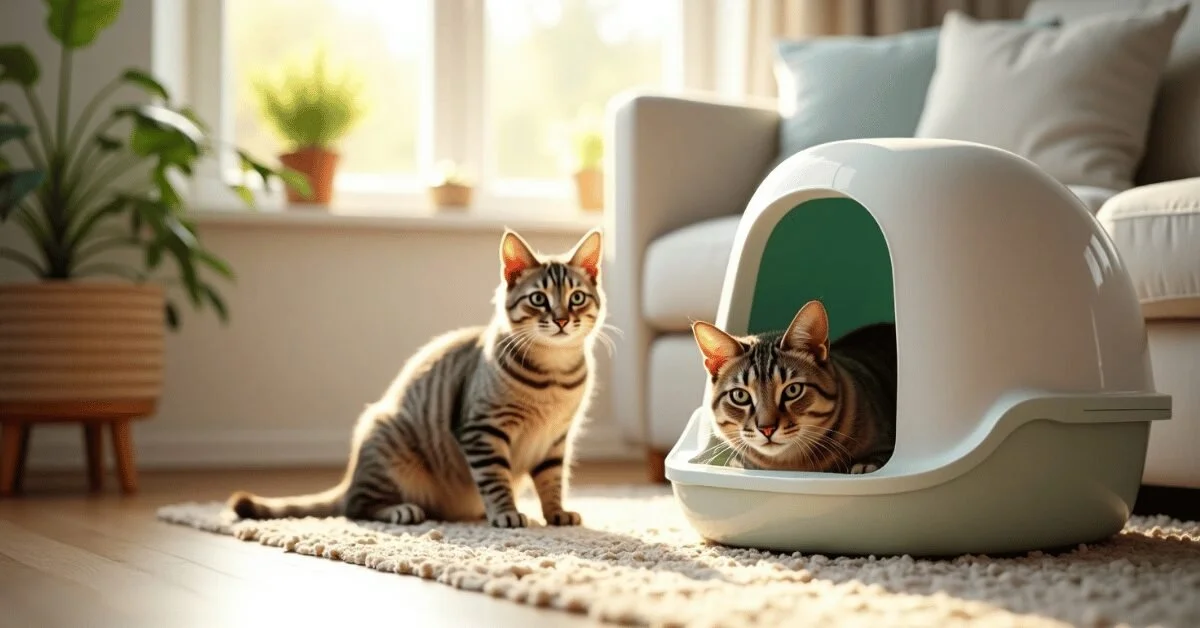
Litter box mastery begins with understanding your cat’s instincts, selecting the right setup, and maintaining it consistently. Whether you own one kitten or multiple cats, this guide covers everything from training and troubleshooting to eco-friendly practices and travel.
You’ll learn how to create an environment where your cat feels secure enough to use the litter box every time.
Table of Contents
Understanding Your Cat’s Natural Instincts

Why Cats Use Litter Boxes
Litter box mastery starts with instincts. Cats bury waste to avoid predators and mark territory subtly—with clean litter, that instinct remains. Since cats have about 14 times our scent sensitivity, a fresh box is essential to avoid accidents. When a box isn’t clean or smells off, cats will find alternatives—including your laundry basket.
Learn more from Cornell Feline Health Center.
The Importance of Territory and Cleanliness
Litter box mastery means respecting cats’ need for cleanliness and private territory. Cats groom constantly and expect a clean bathroom. Dirty litter or chemical smells can make them avoid the box. A routine of daily cleaning ensures your cat feels safe—and keeps behavioral issues at bay.
Choosing the Perfect Litter Box

Covered vs. Uncovered Boxes
Litter box mastery requires choosing the right design. Covered boxes offer privacy and contain odors, but some cats feel trapped. Open boxes have better airflow and allow quick escape routes. Start with an open box for new or stressed cats, then experiment until you find their preference.
Size, Shape, and Material Considerations
Litter box mastery means sizing right. Boxes should be at least one and a half times your cat’s length. Avoid high sides if you have kittens or seniors. Choose non‑porous plastic or antimicrobial materials to prevent odors and bacteria buildup.
Selecting the Right Cat Litter

Clumping vs. Non-Clumping Litters
Litter box mastery hinges on litter choice. Clumping litter enables easy scooping, while non‑clumping absorbs moisture but can become soggy. Many owners prefer biodegradable clumping litters—like corn, wheat, or paper—that are eco‑friendly and effective.
Explore the EPA’s advice on pet waste disposal for more.
Natural, Scented, or Unscented Options
Litter box mastery means avoiding strong scents. Unscented litters—especially natural ones—are usually better accepted. To control odor without fragrances, look for activated charcoal or baking soda options. Avoid dusty litters to protect respiratory health.
Where to Place the Litter Box

High-Traffic vs. Quiet Spaces
Litter box mastery includes strategic placement. Avoid busy or noisy spots; cats feel vulnerable there. Instead, use a calm bathroom corner, spare closet, or hallway alcove. Ventilation and easy access remain essential.
Accessibility and Safety Factors
Litter box mastery also means thinking about access. Avoid noisy appliances nearby. If your home has multiple floors, place a box on each level. Elderly or mobility‑impaired cats need low‑entry boxes in safe, accessible spots.
How Many Litter Boxes Do You Need?

The Golden Rule: One Box Per Cat, Plus One
Litter box mastery requires volume: one box per cat, plus one. This reduces stress, prevents overcrowding, and avoids accidents—especially in multi‑cat homes.
Multi-Cat Household Strategies
Litter box mastery means distribution. Spread boxes across different regions of your home. Provide varied box types to cater to each cat’s preference—an uncovered box in the living room, and a covered one in a quiet corner can both be beneficial.
Training Your Cat to Use the Litter Box

Starting with Kittens
Litter box mastery starts early. Kits learn by observing mothers, but humans should guide if needed. Place them in the box after meals and play, using low‑entry, non‑clumping litter. Always reward and never punish mistakes.
Retraining Adult Cats
Litter box mastery for adult cats needs patience. Establish a quiet space, clean soiled areas with enzymatic cleaners, and use confinement if needed. Show cats kindness, not punishment.
Common Litter Box Problems and Solutions

Inappropriate Elimination
Litter box mastery means diagnosing issues. Rule out medical problems like UTIs or kidney issues first. Then assess environmental stressors—changes in routine, people, furniture, or cleaning products. Clean accidents thoroughly and reward proper use.
Check AAFP Feline Behavior Guidelines for professional insights.
Territorial Marking and Behavioral Triggers
Litter box mastery with multi‑cat households involves managing marking. Even neutered cats may mark when stressed. Use pheromone diffusers (e.g., Feliway) and provide plenty of perches to reduce tension.
Keeping the Litter Box Clean
Daily Scooping Best Practices
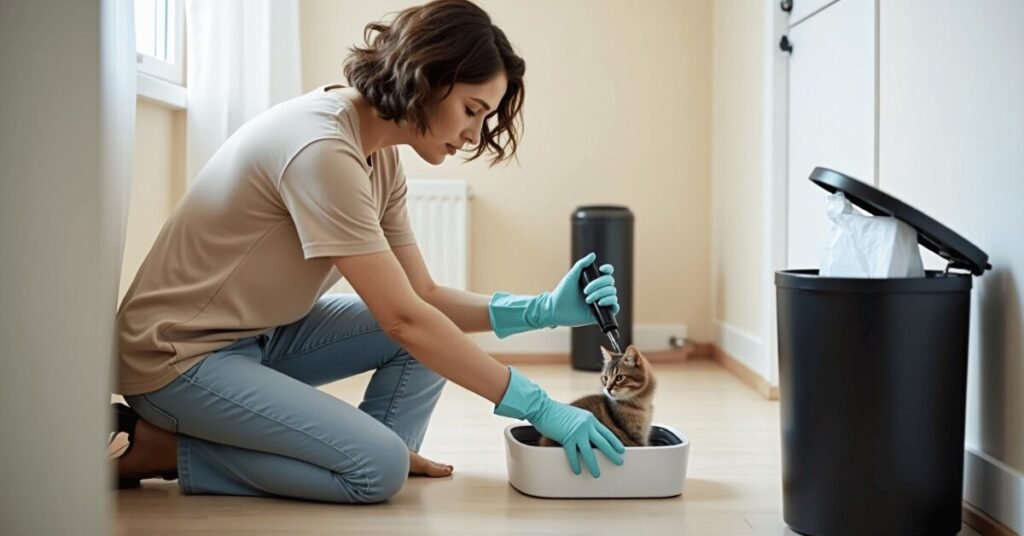
Litter box mastery requires daily scooping—twice daily for multi-cat homes. Use a quality scoper for clumps, keep a lidded trash can nearby, and top off litter to 2–3 inches. This prevents digging frustrations.
Deep Cleaning Schedule
Litter box mastery continues with weekly cleaning. Dispose of litter, wash the box with unscented soap, air dry, and refill. Avoid bleach; use baking soda if needed. Rotate between two boxes to maintain routine.
Health Indicators in the Litter Box
Changes in Urination or Defecation
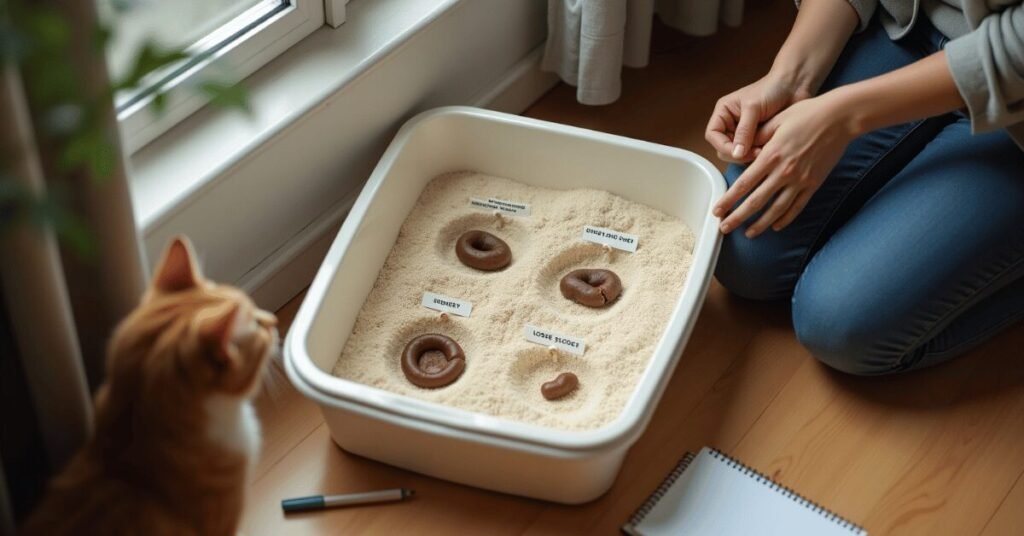
Litter box mastery involves health vigilance. Monitor urination patterns, strain, or avoidance. Hidden illnesses may show up first here. Any deviation warrants a vet check immediately.
See American Veterinary Medical Association (AVMA) for pet health standards.
What to Watch For in Waste
Litter box mastery extends to examining droppings: color, texture, smell. Brown, firm stool with mild scent is healthy. Blood, mucus, worms, very smelly urine or diarrhea deserve immediate attention.
Best Products for Litter Box Maintenance
Top-Rated Litter Boxes
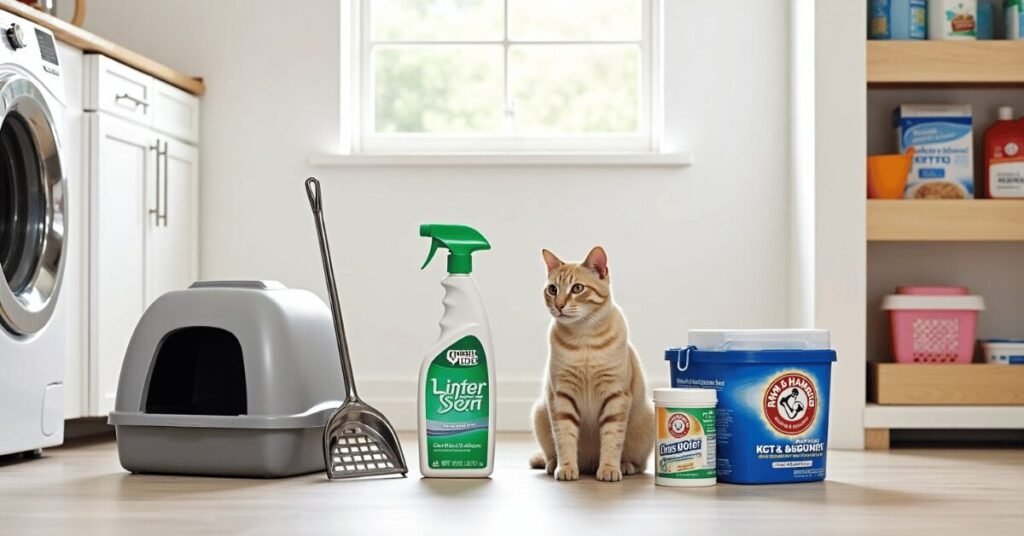
Litter box mastery can be enhanced with quality products. In Patna, Bihar, consider brands like IRIS Top Entry, PetSafe ScoopFree Ultra, and Nature’s Miracle High-Sided—each suited for different cat personalities.
Recommended Scoopers and Deodorizers
Litter box mastery is easier with a good scooper. Choose metal models like DuraScoop or Litter-Lifter. Use Arm & Hammer or activated charcoal deodorizers to keep things fresh naturally.
Traveling with a Litter Box
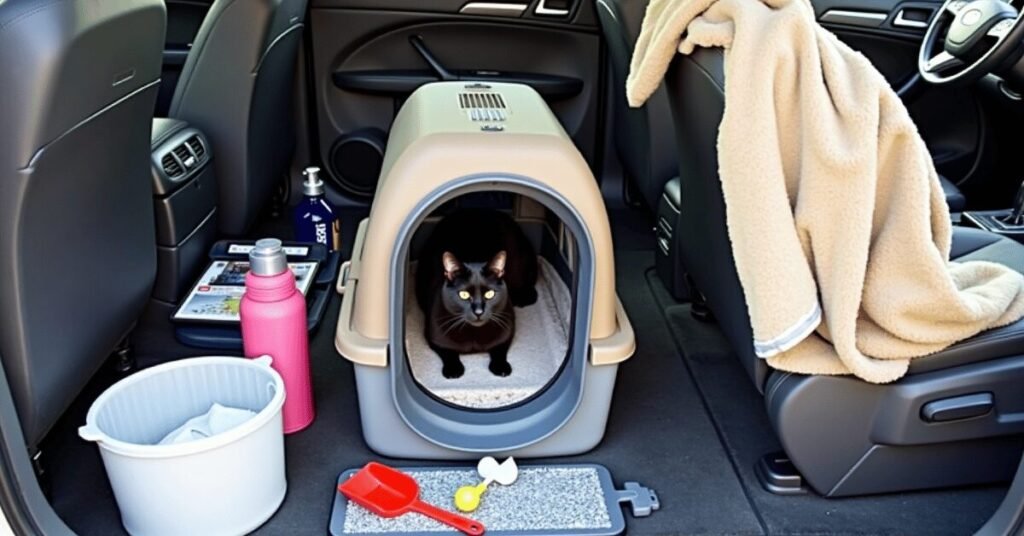
Portable Litter Boxes
Litter box mastery extends to travel. Products like Petisfam Portable Litter Box or Necoichi Travel Litter Box fold up easily and keep your cat stress-free during trips.
Maintaining Routine on the Road
Litter box mastery means consistency—even while traveling. Stick to the same litter, feeding times, and box placement. Bring a familiar-smelling mat to comfort your cat in new surroundings.
Eco-Friendly Litter Box Practices

Biodegradable Litters
Litter box mastery includes sustainable choices. Try World’s Best Cat Litter, ökocat, Feline Pine, or Yesterday’s News for biodegradable options that reduce your carbon pawprint.
Reducing Waste and Plastic Use
Litter box mastery also means using reusable liners, biodegradable disposal bags, and natural cleaning agents like vinegar and baking soda. Every step helps the planet and your pet.
Myths About Litter Boxes Debunked

Common Misconceptions
Litter box mastery means rejecting myths:
- “Cats just know how to use a litter box” – not always.
- “One box for all cats is fine” – it’s not.
- “Scented litter keeps things fresh” – your cat may disagree.
What Science and Vets Say
Litter box mastery aligns with expert advice. The American Association of Feline Practitioners (AAFP) emphasizes that behavioral issues linked to litter boxes are one of the top reasons cats are surrendered—but they’re usually fixable. Vets recommend consistent box placement, slow changes in litter, and observing habits as early health indicators.
Litter Box Mastery for Senior Cats

Addressing Mobility Issues
Litter box mastery for seniors means being thoughtful. Use low‑entry boxes, soft litter, and place the box where your cat spends most of their time. Skip high walls or complicated designs.
Soft Litter and Low Entry Boxes
Litter box mastery also means comfort. Try Dr. Elsey’s Senior Litter or Tidy Cats Free & Clean. These are gentle on joints and paws, making bathroom time easier for aging cats.
Creating a Cat-Friendly Home

Holistic Environment Tips
Litter box mastery thrives in a calm home. Provide climbing spaces, sunny napping spots, and regular playtime. A relaxed, confident cat uses their box without fail.
Behavior and Emotional Support
Litter box mastery includes mental health. Use calming tools like Feliway, and train with positive reinforcement. Address stress quickly with the help of behaviorists if needed.
Conclusion
Litter box mastery goes beyond scooping—it’s about understanding and honoring your cat’s instincts, emotions, and comfort. From choosing the perfect box and litter to placing it in just the right spot, every decision helps create a stress-free environment where your cat feels safe and secure.
By following this guide, you’re not just managing a litter box—you’re building trust, supporting your cat’s well-being, and creating a cleaner, happier home.
Take the first step today—observe, adjust, and stay consistent. Your cat will thank you—with perfect litter box habits and a purr of approval.
FAQs
1. How often should I change my cat’s litter?
Litter box mastery means scooping daily and fully changing weekly. Multi-cat homes may need more frequent changes.
2. Why is my cat peeing outside the litter box?
Litter box mastery helps identify triggers—medical, behavioral, or environmental. Always consult your vet first.
3. What is the best litter for odor control?
Litter box mastery leans toward clumping litters with charcoal or baking soda like Dr. Elsey’s or Arm & Hammer.
4. Can I train an older cat to use a litter box?
Litter box mastery leans toward clumping litters with charcoal or baking soda like Dr. Elsey’s or Arm & Hammer.
5. Is it okay to use scented litter?
Litter box mastery avoids it. Strong scents can repel cats. Go unscented or use natural deodorizers.
Looking for more feline inspiration? Check out our guides on: