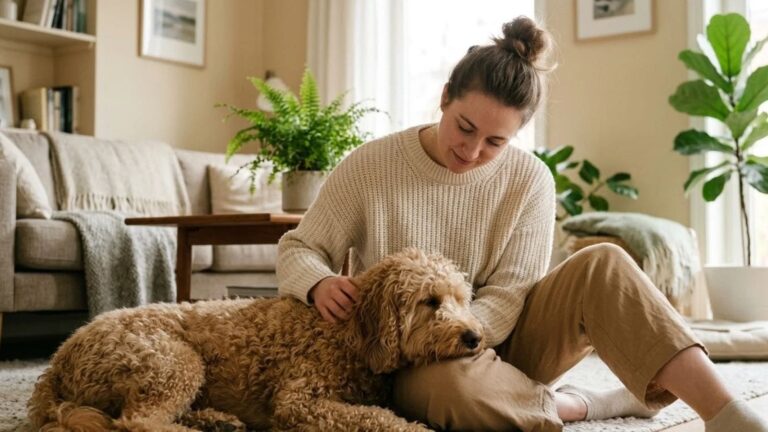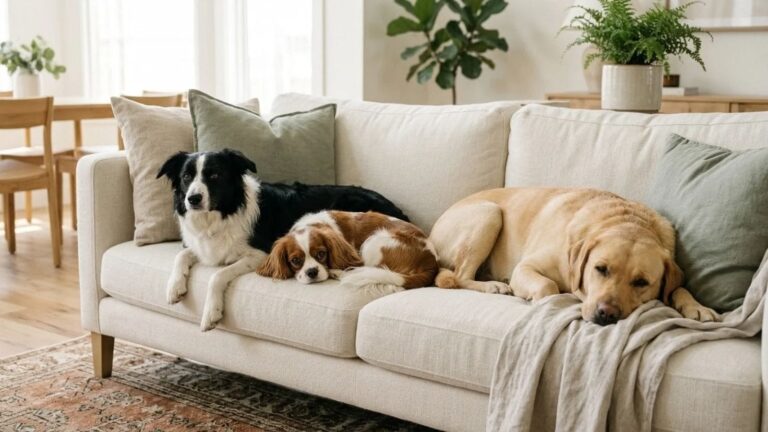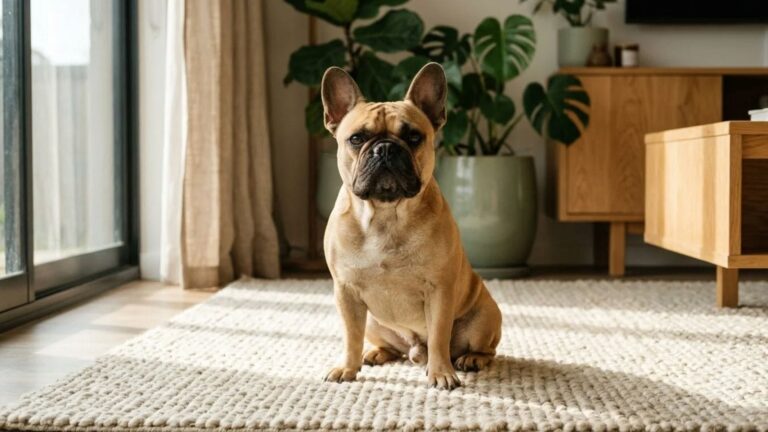
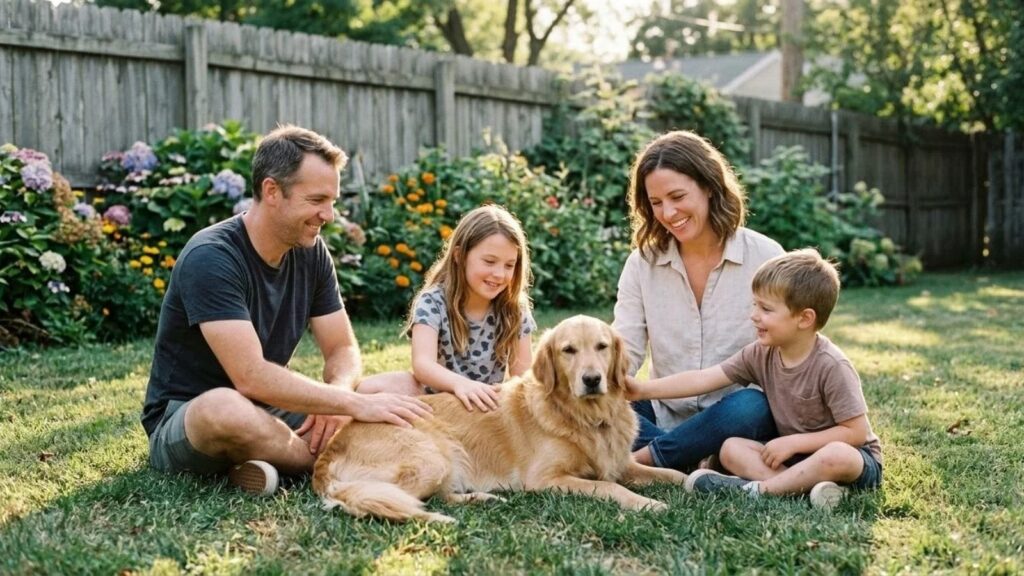
Some dogs are naturally more outgoing than others, but friendliness is not one single trait. A dog may be affectionate with family yet cautious around strangers, or comfortable with people but selective around unfamiliar dogs. Breed history can offer clues, but genetics, early experiences, health, training and environment all shape an individual dog’s behaviour.
This guide compares breeds commonly described as sociable or people-oriented, explains their everyday care needs and highlights situations that call for supervision. PetMD and VCA breed profiles are useful references, but their pages vary in date, detail and editorial method; they should not be treated as equivalent clinical evidence. This is general information, not veterinary or behaviour advice. If you are new to dogs, our guide to dog breeds for first-time owners is a gentler place to start.
If you are choosing your first companion, our guide to best dog breeds for first-time owners covers a different question: which dogs may fit the practical demands of beginner ownership.
Key Takeaways
- Breed profiles describe tendencies, not guarantees. Individual temperament, socialization, health and training matter.
- Some dogs may be uncomfortable around unfamiliar dogs. Avoid turning an individual or older source’s warning into a blanket statement about an entire breed.
- Friendly does not mean hands-off. PetMD notes that Irish Setters can knock over toddlers and that Boxers jump, and it advises supervising toddlers with Labradors.
- Cavaliers, Havanese, Irish Setters and Bernese Mountain Dogs are unhappy when left alone for long stretches.
- Safe early socialization and reward-based training are supported by the American Veterinary Society of Animal Behavior (AVSAB).
What Makes a Dog Breed Friendly?
People use the word friendly to describe several behaviours: affection toward family, comfort around visitors, patience with children and the ability to share a home with other animals. These qualities do not always appear together.
For example, a dog may welcome visitors but dislike unfamiliar dogs approaching its food. Another may enjoy children but become overwhelmed by noisy play. Breed tendencies can help you form a shortlist, but the individual dog’s temperament matters more than a broad label.
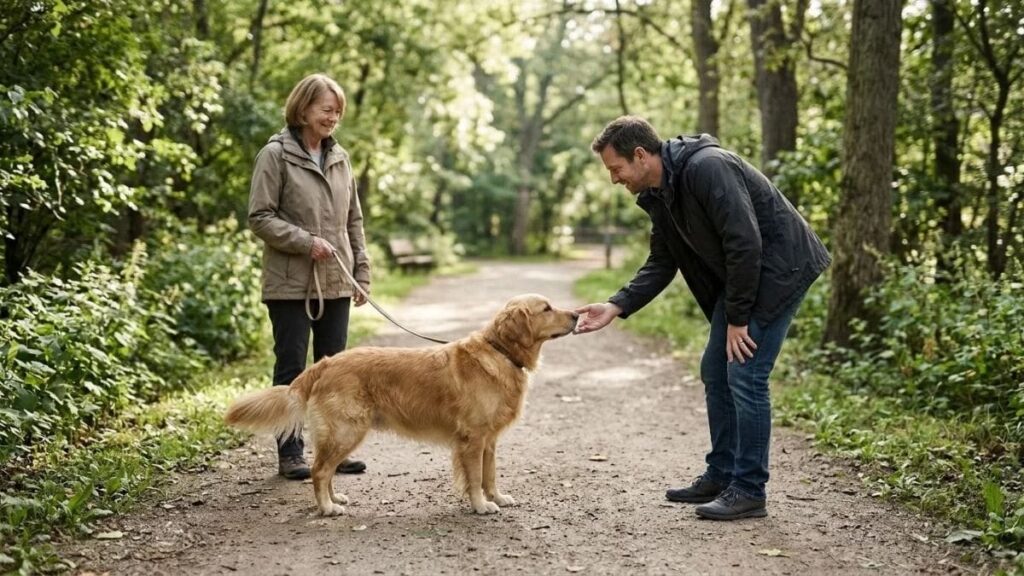
Friendliness is also different from being easy to care for. A sociable dog may still need hours of exercise, frequent brushing or company throughout the day. An energetic dog that does not receive enough activity may become difficult to manage even when it has a naturally affectionate temperament.
The American Veterinary Society of Animal Behavior (AVSAB) identifies the first three months as a particularly important socialization period. Puppies should experience people, animals, places and everyday situations gradually and positively, without being overwhelmed. Socialization should continue as they grow. Follow your veterinarian’s advice about vaccination, disease risks and safe opportunities for interaction.
The 15 Friendly Dog Breeds
The following breeds are grouped by general household characteristics, not by a scientific friendliness ranking. The PetMD and VCA profiles describe typical tendencies and care considerations. Their numerical ratings and lifespan estimates use different editorial approaches, so they should not be treated as directly comparable measurements.
Family Favorites
These five breeds are frequently considered by households looking for sociable companions. Their size, energy and training needs still deserve careful consideration.
1. Golden Retriever
Golden Retrievers are outgoing sporting dogs that often enjoy spending time with family members, visitors and other pets. PetMD describes them as friendly and trainable, while VCA highlights their playful nature and reputation as family companions.
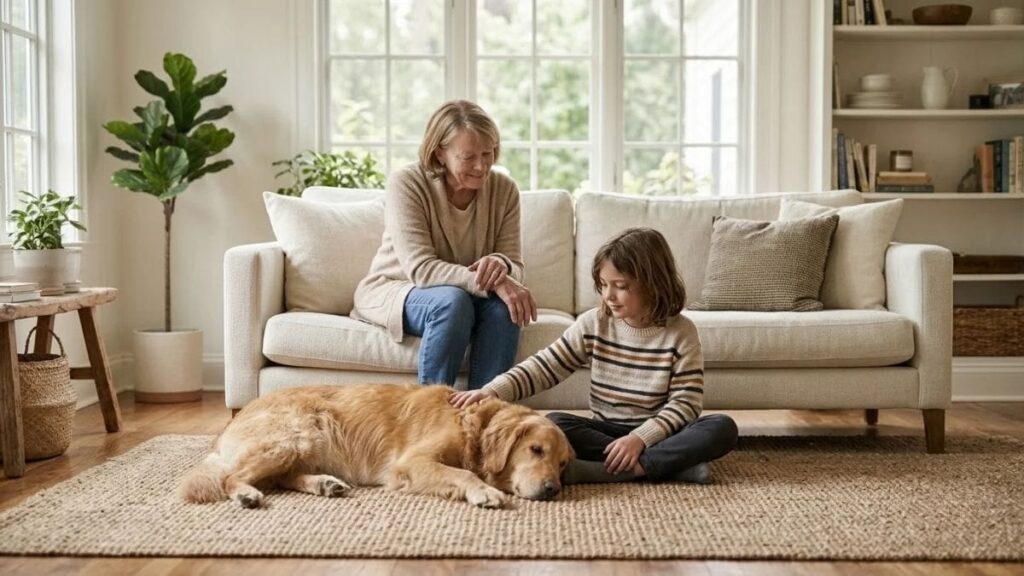
Their enthusiasm and size can be challenging around toddlers. A young Golden may accidentally knock over a small child while playing, so adult supervision remains essential.
Goldens shed heavily and need regular brushing, daily activity and mental stimulation. They generally enjoy retrieving games, walks and training sessions. Without enough activity, their energy can become difficult to manage.
PetMD lists skin conditions, hip and elbow dysplasia and certain cancers among breed-related health concerns. VCA also highlights weight management. Ask a responsible breeder about recommended health screening and discuss preventive care with your veterinarian.
Friendliness note: Often affectionate and sociable, but their size, shedding and activity needs require commitment.
2. Labrador Retriever
Labradors are enthusiastic, people-oriented dogs that often enjoy family activities and meeting new people. PetMD describes them as particularly good with children and other dogs, while VCA characterizes them as outgoing.
Their friendliness should not be confused with calmness. Young Labradors can be energetic, strong and excitable. PetMD specifically recommends supervising interactions with toddlers because a Labrador’s powerful tail and enthusiastic movements can knock a small child over.
Regular exercise, retrieving games and training are important. Their short double coat sheds heavily, so brushing should be part of the weekly routine.
Health considerations include hip and elbow dysplasia, ear infections and exercise-induced collapse. Weight management is also important because excess weight can affect mobility and general health.
Friendliness note: A sociable family companion for households prepared for daily activity, shedding and supervision around young children.
3. Cavalier King Charles Spaniel
Cavalier King Charles Spaniels are small companion dogs often described as affectionate, patient and comfortable around people. PetMD describes them as generally good with children, cats and other dogs when properly socialized. VCA also highlights their gentle family temperament.
Their social nature can make long periods alone difficult. A Cavalier may be a poor match for a household where everyone is away for most of the day without a reliable companionship or care arrangement.
They need regular brushing, routine walks and preventive health care. Their coat is longer than that of many small companion breeds, but grooming is generally manageable with a consistent routine.
Mitral valve disease, syringomyelia and certain eye conditions are important health concerns to discuss with a veterinarian. Ask breeders for documented health screening rather than relying on general assurances.
Friendliness note: A gentle, people-oriented companion that often suits households where someone is home regularly.
4. Beagle
Beagles are cheerful scent hounds that often enjoy the company of children and other dogs. PetMD describes them as generally sociable, while VCA highlights their playful nature with children.
Their strong sense of smell influences how they behave outdoors. A Beagle following an interesting scent may pay little attention to a recall cue, so secure lead handling and enclosed exercise areas are important.
They can also be vocal. Barking, baying and howling may create problems in apartments or homes with noise-sensitive neighbours. Their independence can make training more challenging than their friendly personality suggests.
Daily walks, scent games and food-search activities provide useful outlets. Monitor food intake because Beagles can be prone to weight gain.
Friendliness note: A cheerful and sociable companion, but barking, scent-driven behaviour and training require patience.
5. American Cocker Spaniel
American Cocker Spaniels are affectionate sporting companions that often enjoy people of different ages and can live successfully with other pets when introduced appropriately.
Their silky coat is the main practical commitment. Regular brushing and professional grooming help prevent tangles and mats. Their long, hanging ears also need routine checking and cleaning as advised by a veterinarian.
They generally benefit from daily walks, play and reward-based training. Some Cockers can be vocal, so early training and suitable activity are useful.
Health concerns reported in breed references include ear infections, skin conditions, hip dysplasia and von Willebrand disease. Ask breeders about recommended screening.
This article specifically covers the American Cocker Spaniel, not the English Cocker Spaniel.
Friendliness note: A people-oriented companion that may suit family homes with other pets, provided grooming and ear care are not overlooked.
Small Companions
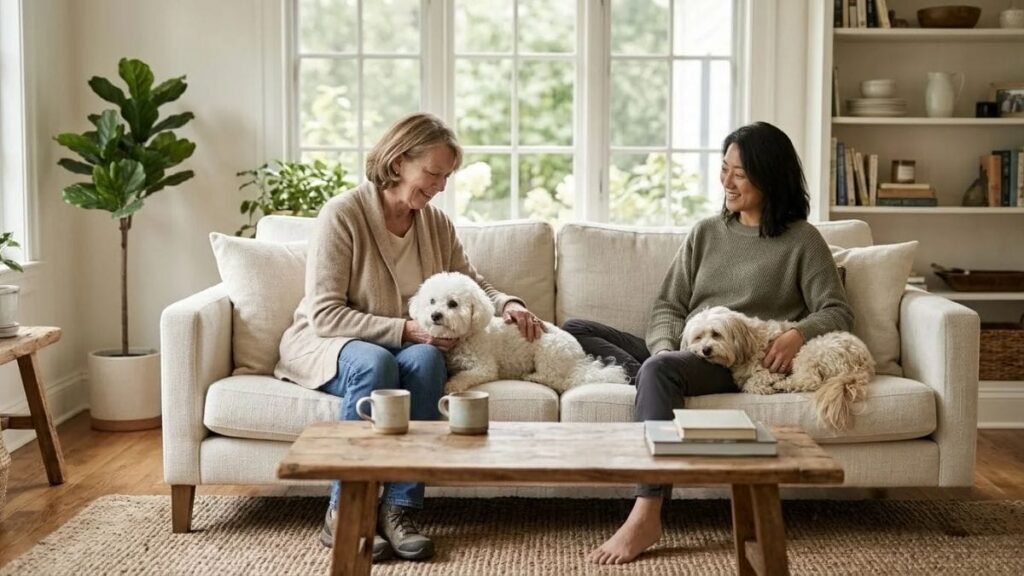
Small friendly dog breeds can fit into different home sizes, but their compact bodies do not remove the need for training, companionship and regular care.
6. Bichon Frise
Bichon Frises are cheerful companion dogs often described as playful, gentle and sociable with people and other pets. Their small size can make them convenient for many households, but they still need daily interaction and training.
Their coat sheds relatively little, but it requires frequent maintenance. Brushing several times a week, often daily depending on coat length, helps prevent mats. Many owners arrange professional grooming about once a month.
Some Bichons can bark frequently, especially when under-stimulated or not taught appropriate responses. Consistent training and enrichment help manage this behaviour.
Health concerns reported in breed profiles include dental disease, bladder stones, cataracts and certain metabolic conditions. Regular dental care and veterinary check-ups are worthwhile.
Friendliness note: A cheerful companion for people who can provide regular grooming, attention and training.
7. Havanese
Havanese dogs are sociable companion animals that often enjoy being close to their families. They are commonly described as good with children and other pets when socialized and supervised appropriately.
Their need for companionship deserves particular attention. Some Havanese struggle when left alone for extended periods and may develop separation-related behaviours. A household schedule should allow sufficient interaction and gradual practice with alone time.
The coat needs regular brushing, especially when kept long. Owners who prefer easier maintenance may choose a shorter trim, but routine grooming remains necessary.
Havanese often enjoy short walks, indoor games and reward-based training. Health concerns to discuss include patellar luxation, eye conditions and dental disease.
Friendliness note: An affectionate, sociable companion for households able to provide regular company and coat care.
8. Shih Tzu
Shih Tzus were developed as companion dogs and often enjoy spending time with their families. They may get along with children and other pets when properly socialized, but their small size makes gentle handling particularly important.
A child can accidentally injure a Shih Tzu through rough play, pulling or carrying the dog incorrectly. Adults should supervise interactions and teach children to allow the dog to move away whenever it wants.
The long coat requires frequent brushing and regular grooming. Some owners maintain a shorter coat to reduce daily maintenance.
Shih Tzus have a shortened muzzle, which can contribute to breathing and heat-management difficulties. Avoid strenuous exercise in warm or humid conditions, and discuss noisy or laboured breathing with a veterinarian.
Friendliness note: An affectionate companion that needs gentle handling, regular coat care and particular attention to breathing and heat.
9. Boston Terrier
Boston Terriers are lively companion dogs often described as sociable and playful. They can do well with children and other pets when introductions and training are handled appropriately.
Some individuals may initially challenge unfamiliar dogs or be reserved around strangers. Meeting the individual dog and observing its behaviour is more useful than assuming every Boston Terrier will welcome every visitor.
Their short coat is relatively easy to maintain, but their shortened muzzle creates important health considerations. Boston Terriers may have difficulty breathing efficiently and cooling themselves in hot or humid weather.
Keep activity controlled, avoid strenuous exercise in high temperatures and consult a veterinarian about noisy or laboured breathing.
Friendliness note: A playful companion with manageable coat care, but breathing and heat tolerance need careful attention.
Larger and More Active Breeds
These breeds can be affectionate and sociable, but their size, exercise requirements or coat care may make them demanding household companions.
10. Standard Poodle
Standard Poodles are intelligent, athletic dogs that often enjoy learning and spending time with people. They are commonly described as sociable with children and other animals when given appropriate training and socialization.
Their intelligence makes training rewarding, but they need meaningful mental and physical activity. Long periods without stimulation can lead to unwanted behaviours.
Their curly coat sheds relatively little, but it requires substantial maintenance. Frequent brushing and regular professional clipping help prevent painful mats.
Poodles are often marketed as hypoallergenic, but no dog breed is guaranteed to be allergy-free. People with allergies should spend time around individual dogs before choosing one.
Health concerns include hip dysplasia, bloat, epilepsy and certain inherited conditions. Ask breeders about recommended screening.
Friendliness note: An intelligent and sociable companion for active households that can manage exercise and regular professional grooming.
11. Boxer
Boxers are playful, energetic dogs that often form strong bonds with their families. PetMD describes them as potential family companions when properly socialized, while VCA highlights their affectionate and lively nature.
Their enthusiasm can become a challenge around small children, older adults or anyone who may be knocked over by a jumping dog. Teach calm greetings from an early age and supervise interactions.
Boxers need regular exercise and mental stimulation. An under-exercised Boxer may become restless or destructive. Their short coat is relatively easy to maintain, but the breed’s shortened muzzle can affect breathing and heat tolerance.
PetMD lists certain cancers, heart conditions and bloat among relevant health concerns. Ask a veterinarian about preventive care and discuss the breed’s health history before choosing a puppy.
Friendliness note: A devoted and playful family companion, provided the household can manage its strength, activity and heat sensitivity.
12. Irish Setter
Irish Setters are outgoing sporting dogs often described as affectionate and friendly with people. They can enjoy family life and may get along with other pets when introduced properly.
Their energy is a major consideration. They need substantial daily exercise, opportunities to explore and activities that engage their minds. Their enthusiasm may be too much for very young children, as a large, excited dog can knock a toddler over accidentally.
Irish Setters may also struggle when left alone for extended periods. They generally suit households that can provide companionship and outdoor activity.
Their longer coat needs regular brushing, and their hanging ears should be checked routinely. Health concerns include bloat, hip dysplasia, epilepsy and certain eye conditions.
Friendliness note: An affectionate, outgoing dog for active households with enough time for exercise and companionship.
13. Staffordshire Bull Terrier
Staffordshire Bull Terriers are muscular, people-oriented dogs that can be affectionate and playful with their families. PetMD describes their affectionate nature, while the breed’s history and individual temperament make responsible socialization and training especially important.
The older VCA breed profile notes that some individuals can be dog-aggressive, particularly toward unfamiliar dogs. That statement should not be treated as a prediction about every Staffordshire Bull Terrier, but it is a reason to assess individual behaviour carefully.
Avoid relying on the popular “nanny dog” label as proof that a breed is automatically safe with children. No dog should be left unsupervised with a child.
Their short coat needs relatively little grooming, but they still require regular activity, training and appropriate introductions to other animals.
Health concerns to discuss include hip and elbow dysplasia, patellar luxation, cataracts and degenerative myelopathy.
Friendliness note: Can be deeply affectionate with familiar people, but careful socialization, supervision and individual temperament assessment matter.
14. Bernese Mountain Dog
Bernese Mountain Dogs are large, generally gentle companions often described as patient with family members and children. They may be reserved around unfamiliar people rather than immediately outgoing with every visitor.
Their size requires enough room to move comfortably, and their strength makes supervision around small children sensible. Some Bernese Mountain Dogs also dislike being left alone for long periods.
Their thick double coat sheds heavily and needs regular brushing. They are particularly sensitive to heat compared with many short-coated breeds, so warm-weather management matters.
Health concerns include hip and elbow dysplasia, bloat and certain cancers. Their relatively short average lifespan is another factor prospective owners should consider.
Friendliness note: Often gentle and devoted to family, but size, shedding, heat sensitivity and health risks are significant commitments.
15. Samoyed
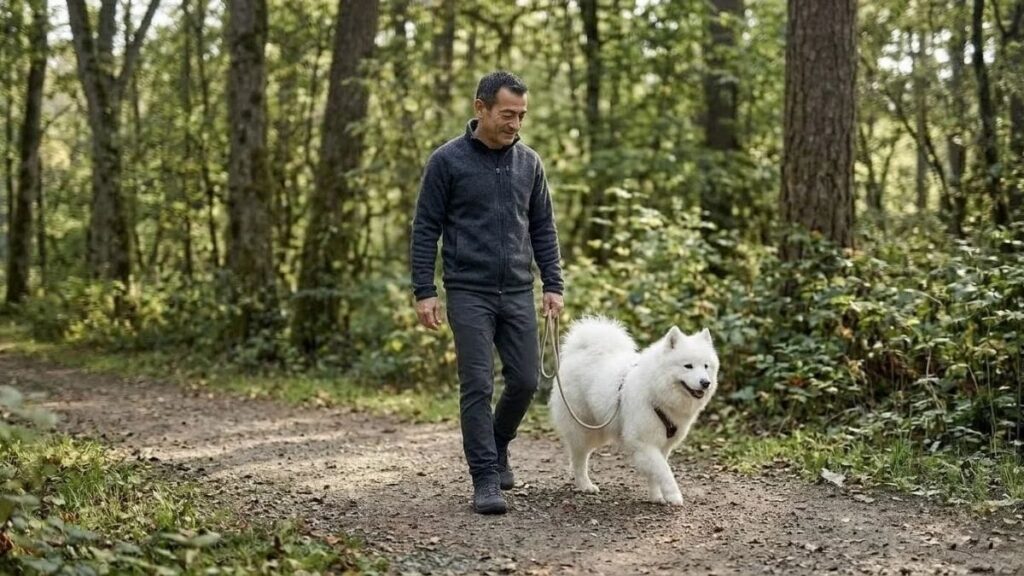
Samoyeds are sociable, playful dogs that often enjoy the company of people and other animals when properly socialized. Their friendly appearance can be appealing, but their care requirements are substantial.
Samoyeds are sociable, playful dogs that often enjoy the company of people and other animals when properly socialized. Their friendly appearance can be appealing, but their care requirements are substantial.
Friendly Does Not Mean Hands-Off
A dog can be affectionate and still need careful supervision. The size of the dog, its energy, the age of children in the household and its comfort around unfamiliar animals all influence how interactions should be managed.
| Breed | Important consideration |
|---|---|
| Labrador Retriever | Supervise toddlers because an enthusiastic dog can accidentally knock them over. |
| Irish Setter | Its size and energy may be too much for very young children. |
| Boxer | Jumping and energetic play can knock people over; some individuals are selective around unfamiliar dogs. |
| Cavalier King Charles Spaniel | May struggle with long periods alone. |
| Havanese | Can develop separation-related behaviours when left alone for extended periods. |
| Shih Tzu | Small enough to be injured by rough handling and may be heat sensitive. |
| Bernese Mountain Dog | May be reserved with strangers and needs careful warm-weather management. |
| Staffordshire Bull Terrier | Assess individual dog behaviour and introduce unfamiliar dogs carefully. |
| Samoyed | May chase or herd smaller animals. |
Large, energetic dogs can cause accidental injuries through enthusiasm. Small dogs can be hurt by rough handling. In both situations, an adult should supervise children and teach them to let a dog move away rather than forcing interaction.
How to Help Any Dog Stay Friendly
A friendly temperament is supported by appropriate experiences, consistent training and a home environment where the dog feels safe.
- Start socialization early. Introduce puppies gradually to people, animals, sounds and everyday situations. Avoid overwhelming experiences and follow veterinary advice about safe exposure.
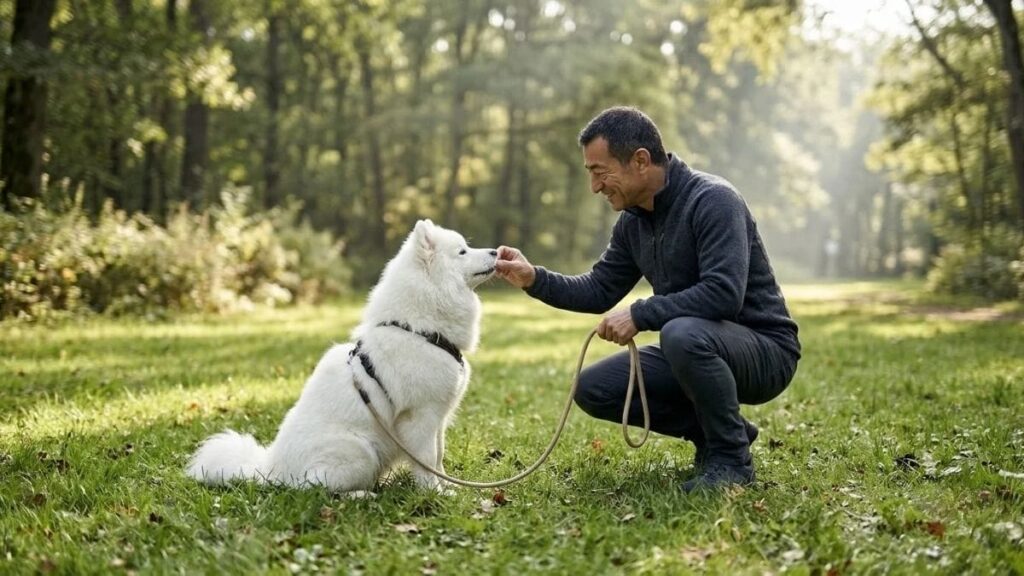
- Use reward-based training. AVSAB recommends reward-based methods for dog training and behaviour modification. Reinforce calm greetings, appropriate play and desired responses instead of relying on fear or punishment.
- Match activity to the individual dog. Exercise and mental stimulation can reduce frustration and help dogs settle at home.
- Teach children respectful interaction. Children should not hug, climb on, chase or disturb a dog while it eats or sleeps.
- Allow dogs to choose distance. A dog should be able to move away from people or other animals when uncomfortable.
- Seek professional help for concerning behaviour. Persistent fear, snapping, growling or aggression deserves assessment by a veterinarian and a qualified reward-based behaviour professional.
Read dog training basics guide.
Safety Notes for Heat-Sensitive Friendly Dog Breeds
Some dogs in this guide need extra protection during hot or humid weather. Short-muzzled breeds such as Boxers and Boston Terriers may have difficulty cooling themselves efficiently through panting. Thick-coated dogs, older dogs and overweight dogs also face increased heatstroke risk.
Cornell University College of Veterinary Medicine identifies short-muzzled and thick-coated dogs among those at greater risk. Provide shade, fresh water and access to a cool indoor environment. Avoid strenuous activity during the hottest part of the day.
Heatstroke is a medical emergency. Heavy panting, excessive drooling, vomiting, weakness, confusion, seizures or collapse require urgent veterinary attention. Begin cooling with cool water while arranging immediate transport to a veterinary hospital.
Read Cornell’s heatstroke guidance.
For short-muzzled breeds, noisy breathing, gagging, laboured breathing, bluish gums or collapse should not be dismissed as normal breed characteristics. Cornell’s brachycephalic obstructive airway syndrome guidance explains the condition and when urgent veterinary care is necessary.
Choosing Between Friendly Breeds
Start with your household routine rather than a breed’s reputation. A family that spends most of the day away may struggle with a highly people-dependent companion such as a Cavalier or Havanese. A quiet apartment may also be difficult for a vocal Beagle.
Next, consider size, energy and grooming. Boxers and Irish Setters need substantial activity, while Bichons and Havanese require regular coat maintenance. A large, enthusiastic dog may also need more careful supervision around toddlers.
Finally, look beyond temperament. Review the breed’s health concerns, meet the individual dog and ask breeders or rescue organizations about its behaviour around children, visitors and other animals.
A calm adult dog with a known history may be a better fit for some families than a young puppy whose adult temperament is not yet clear. Arrange a veterinary check and prepare the essentials using our dog supplies checklist.
FAQs
What is the friendliest dog breed?
No single breed can be considered the friendliest for every household. Golden Retrievers, Labradors, Cavaliers and Bichon Frises are commonly described as sociable, but individual temperament, early experiences and training influence behaviour.
Are friendly dog breeds good with children?
Many breeds have tendencies that can make them suitable family companions, but no breed is automatically safe with every child. Supervise interactions, teach children gentle handling and give dogs the option to move away.
Which friendly breeds suit smaller homes?
Bichon Frises, Havanese, Shih Tzus and Cavaliers may adapt to smaller homes when their exercise, grooming and companionship needs are met. Beagles can be vocal, while some people-oriented dogs may struggle with long periods alone.
Do friendly dogs get along with other pets?
Some breeds are commonly described as sociable with other animals, but introductions, training and individual temperament matter. A dog that lives peacefully with one household cat may not behave the same way around unfamiliar cats or dogs.
Can an unfriendly dog become more sociable?
Some dogs become more comfortable through gradual positive experiences and reward-based training, but progress depends on the individual animal and the reason for its behaviour. Fear, persistent aggression or sudden behaviour changes should be assessed by a veterinarian and an appropriately qualified behaviour professional.
Conclusion
Friendly dog breeds can make affectionate family companions, but their needs differ in energy, grooming, size, health and tolerance for time alone. A breed’s reputation is a useful starting point, not a guarantee that an individual dog will enjoy every person, child or animal it meets.
Shortlist breeds that fit your household routine, consider their health and supervision requirements, and meet individual dogs before deciding. The best family companion is one whose temperament and needs fit your home and whose welfare your household can support throughout its life.