Big dog breeds can make impressive companions. Some are relaxed family dogs, others were developed to guard livestock or property, and a few need more exercise and structured activity than their size might suggest. Their needs can be just as different as their appearances.
Choosing a large dog involves more than deciding how much space you have. Food, veterinary care, training, grooming, transport and health risks all deserve consideration. A dog that weighs 150 pounds needs to be manageable in everyday situations, not just comfortable in your home.
This guide compares 15 big dog breeds, including their typical size, temperament, exercise requirements and important care considerations. It uses PetMD breed profiles and VCA Animal Hospitals profiles where available. Breed descriptions are general guidance; individual dogs can differ considerably.
If you are unsure whether a large dog is right for your household, compare the needs of medium-sized dog breeds before deciding.
Key Takeaways
- Large and giant dogs are not the same category. Giant breeds commonly reach around 80 pounds or more, but definitions vary between sources.
- Bloat, also called gastric dilatation-volvulus (GDV), is a life-threatening emergency that owners of at-risk breeds should understand.
- A gentle temperament does not remove the need to supervise large dogs around children. Their size alone can cause accidental injuries.
- Coat maintenance, drooling, heat tolerance and exercise needs vary widely across big dog breeds.
- Guardian breeds such as the Cane Corso, Anatolian Shepherd and Tibetan Mastiff generally require experienced handling, early socialisation and secure fencing.
What Counts as a Big Dog?
There is no single weight cutoff used by every organisation to define a big dog. Some guides classify dogs weighing around 50 pounds as large, while PetMD’s giant-breed guide describes giant dogs as commonly weighing approximately 80 to 200 pounds.
For this article, big dog breeds is an umbrella term covering large and giant dogs, including a few breeds that sit near the boundary. The Belgian Malinois is included as a comparison because it is a substantial working breed, although many individuals weigh less than the giant breeds in this list.
Size affects everyday ownership. A large dog needs appropriately sized equipment, enough room to move comfortably and a safe way to travel. Food costs are usually higher, and some veterinary treatments are more expensive because medication and anaesthesia planning can depend on body weight.
Giant breeds may also take longer to mature physically. Ask your veterinarian about appropriate growth nutrition, exercise and weight management while your dog is still developing.
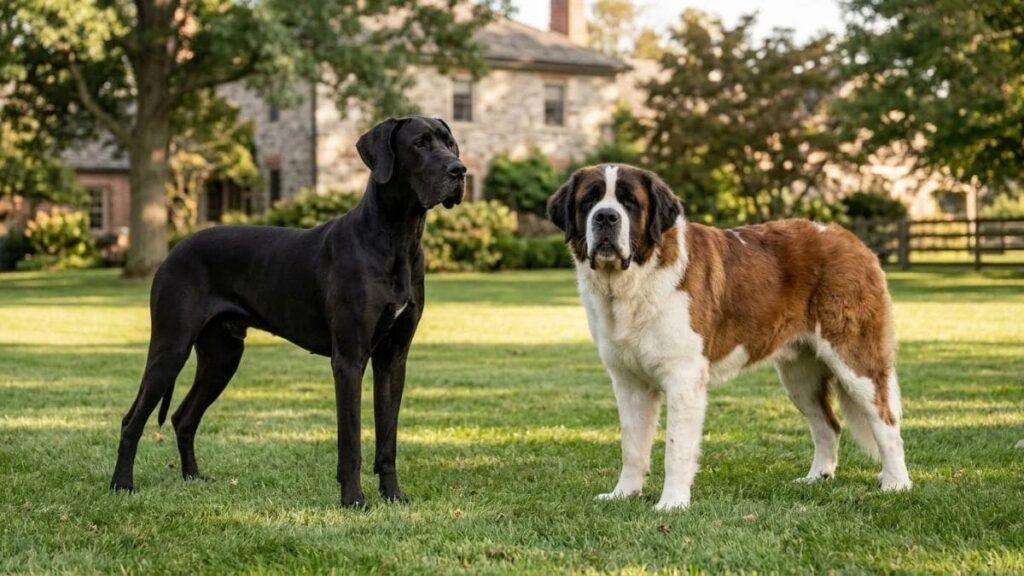
15 Big Dog Breeds to Know
The breeds below are grouped by their general working history and common ownership considerations, not by a ranking of temperament. No breed is automatically suitable for every family. Training, breeding, health, early experiences and the individual dog’s personality all matter.
Gentle and Companionable Giants
These breeds are often described as affectionate or calm with their families. However, their size, strength, coat care and health needs still require serious planning.
1. Great Dane
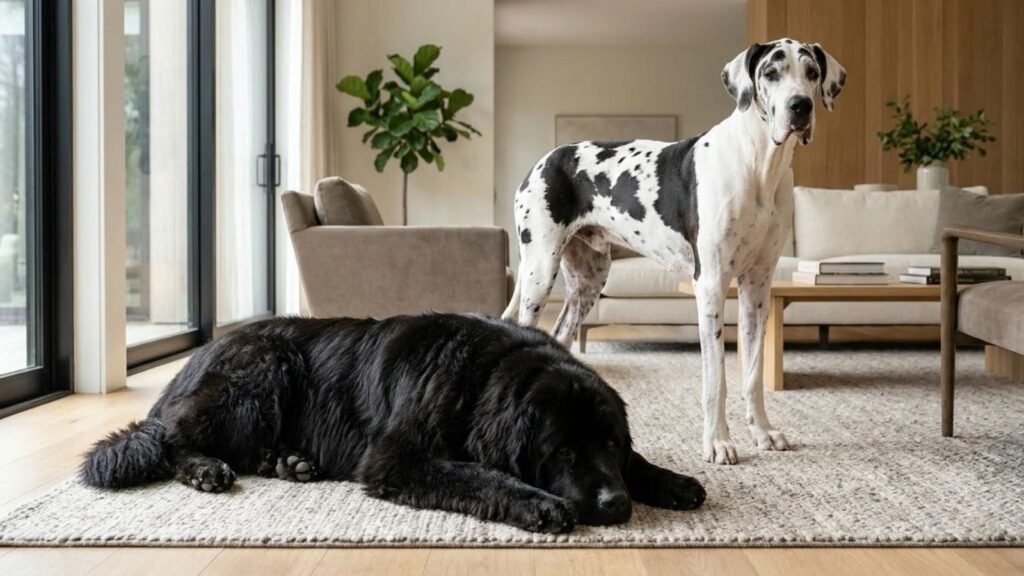
The Great Dane is one of the tallest dog breeds, with a long-legged build and a powerful frame. PetMD lists a typical weight of around 110 to 175 pounds, while VCA gives a similar range. Its lifespan is commonly listed at approximately 7 to 10 years.
Great Danes are often affectionate and closely attached to their families. They need regular exercise, consistent training and enough indoor space to move without constantly bumping into furniture. A large home can make daily life easier, but an apartment is not automatically unsuitable if the owner can meet the dog’s exercise and space needs.
Their deep chest is an important health consideration because Great Danes are at increased risk of gastric dilatation-volvulus, or bloat. Joint problems and certain cancers are also concerns to discuss with a veterinarian.
Practical fit: A committed owner who wants a large companion and can manage the dog’s size, exercise and health needs.
2. Saint Bernard
The Saint Bernard is a heavy-boned mountain breed known for its substantial build and thick coat. PetMD lists a typical weight of approximately 120 to 180 pounds, while VCA gives a broader upper range. Its expected lifespan is generally around 8 to 10 years.
Many Saint Bernards are affectionate and patient with their families. They usually do not need the same intensity of exercise as a high-drive working dog, but daily walks and appropriate activity remain important. Their size makes basic obedience especially valuable.
Drooling can be considerable, and the thick coat needs regular brushing. Warm weather can also be difficult for this breed, so outdoor activity should be adjusted to the temperature and humidity.
Health concerns can include bloat, hip dysplasia, bone cancer and heart conditions. Discuss appropriate screening with a veterinarian or responsible breeder.
Practical fit: A household prepared for a very large, heavy-shedding and often drooly companion, with careful attention to warm-weather comfort.
3. Newfoundland
The Newfoundland is a powerful working dog with a thick, water-resistant coat and a history of water rescue. PetMD lists a typical weight of approximately 100 to 150 pounds. VCA describes the breed as a capable swimmer and gives a similar general lifespan range of around 8 to 10 years.
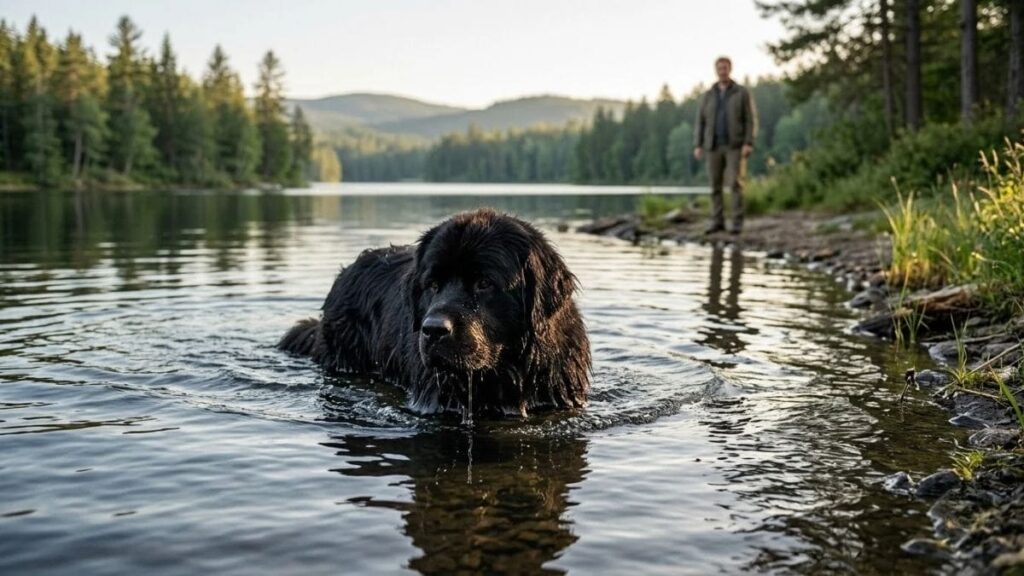
Newfoundlands are often gentle and people-oriented. Their webbed feet and strong swimming ability make water-based activities a natural attraction for many individuals, although swimming should always be supervised.
The coat needs consistent brushing, particularly during seasonal shedding. Drool, wet fur and the amount of space needed for a dog of this size are practical considerations. The breed can also struggle in hot weather.
PetMD identifies bloat, joint disease, bone cancer and heart disease among potential health concerns. Responsible breeding and regular veterinary care are important.
Practical fit: A family that has room for a large, coat-heavy dog and can provide grooming, cool resting areas and supervised activity.
4. Irish Wolfhound
The Irish Wolfhound is a tall, athletic sighthound originally developed for hunting large game. Its height is more striking than its body weight, and PetMD lists adult dogs at around 105 pounds or more. Its lifespan is commonly given as approximately 6 to 8 years.
Despite its imposing appearance, the Irish Wolfhound is often described as patient and gentle with its family. However, its instinct to chase moving animals can make reliable recall and secure outdoor areas particularly important.
The breed needs regular exercise, but growing puppies should not be pushed into strenuous activity. Its rough coat requires routine care, and some dogs may need professional hand-stripping.
Potential health concerns include bloat, heart disease, joint problems and bone cancer. Its relatively short lifespan is an important consideration before choosing the breed.
Practical fit: An owner with room for a very tall dog, secure outdoor space and realistic expectations about lifespan and health costs.
5. Leonberger
The Leonberger is a large, muscular dog with a thick double coat and a distinctive mane. PetMD lists dogs reaching approximately 170 pounds. It is generally described as trainable and people-oriented, but its size and coat make daily care a real commitment.
Leonbergers need regular brushing to manage shedding and prevent tangles. They benefit from daily walks, play and training that gives them a constructive way to use their intelligence. They may not be comfortable spending long periods alone.
Health concerns can include joint disease, bloat and heart conditions. PetMD also discusses cancer as an important concern in the breed. Ask breeders about health testing and the health history of their lines.
Practical fit: A household that wants an involved companion and can manage substantial grooming, exercise and veterinary planning.
[IMAGE 2: newfoundland-swimming-in-lake-with-owner-on-shore.webp]
6. Bernese Mountain Dog
The Bernese Mountain Dog is a sturdy Swiss working breed with a long, thick coat and a friendly appearance. PetMD lists a typical weight range of approximately 70 to 115 pounds. Its lifespan is often reported at around 7 to 10 years, although VCA gives a somewhat shorter range.
Many Bernese Mountain Dogs form close bonds with their families. They need daily walks and opportunities for activity, but they are not usually selected for the same intense working routine as breeds such as the Belgian Malinois.
Their coat sheds heavily and requires regular brushing. They are also less comfortable in hot weather, so owners in warm climates need to plan carefully for indoor cooling and exercise at cooler times.
Potential health concerns include hip and elbow dysplasia, bloat and histiocytic sarcoma. Ask about breed-relevant health screening before choosing a puppy.
Practical fit: A family seeking an affectionate companion that can provide regular grooming and a cool environment.
7. Mastiff
The Mastiff is one of the heaviest domestic dog breeds. PetMD lists a typical weight range of approximately 120 to 230 pounds, although individual dogs can fall outside that range. Its lifespan is commonly given as around 6 to 10 years.
Mastiffs are often described as calm and deeply attached to their families. They generally do not need endless exercise, but they do need regular walks, early training and enough room to rest comfortably. Their size makes jumping, pulling on a lead and poor manners difficult to manage if training is delayed.
Drooling can be substantial. Facial folds may need routine cleaning, and owners should be prepared for the cost of feeding and caring for a very heavy dog.
Health concerns include bloat, hip dysplasia, eye conditions and certain cancers. Ask your veterinarian about the breed’s individual risk factors and suitable exercise and feeding routines.
Practical fit: An owner who wants a comparatively low-energy giant but can handle its weight, drool and potentially high veterinary costs.
8. Dogue de Bordeaux
The Dogue de Bordeaux, also known as the French Mastiff, has a broad head, muscular body and short muzzle. PetMD lists males at approximately 110 to 145 pounds. The breed’s lifespan is often reported at around 5 to 8 years.
These dogs can be affectionate with their families, but their strength and protective instincts make early socialisation and consistent, reward-based training important. They are not a breed to choose solely because they look imposing.
The short muzzle can contribute to breathing difficulties, and warm or humid weather can make respiratory problems more serious. Skin folds need regular inspection and cleaning, particularly if moisture collects in them.
Potential concerns include airway problems, heart disease, joint conditions and bloat. Discuss breathing, heat tolerance and breed-specific health screening before choosing one.
Practical fit: An experienced owner who can manage a powerful dog and take respiratory, skin and heat-related care seriously.
Guardian and Livestock-Protecting Breeds
These breeds were developed to protect property or livestock. Many are loyal to their families but can be naturally cautious around unfamiliar people. Their instincts should be understood rather than treated as a behaviour that can simply be trained away.
9. Tibetan Mastiff
The Tibetan Mastiff is a powerful guardian breed with a dense coat and an independent temperament. PetMD lists a broad weight range of approximately 70 to 150 pounds, while some other breed references give higher figures.
These dogs were developed to guard livestock and property, so they may be reserved with strangers and more independent than companion-focused breeds. They need secure fencing, early socialisation and an owner who understands guardian behaviour.
Their thick coat needs regular maintenance, and warm weather can be uncomfortable. They are not an easy choice for a small apartment or for someone who expects a dog to welcome every visitor.
Potential health concerns include hip and elbow dysplasia, eye conditions and hypothyroidism. Ask about relevant screening and the health history of the dog’s family.
Practical fit: An experienced owner with secure property who understands independent guardian breeds and can provide appropriate socialisation.
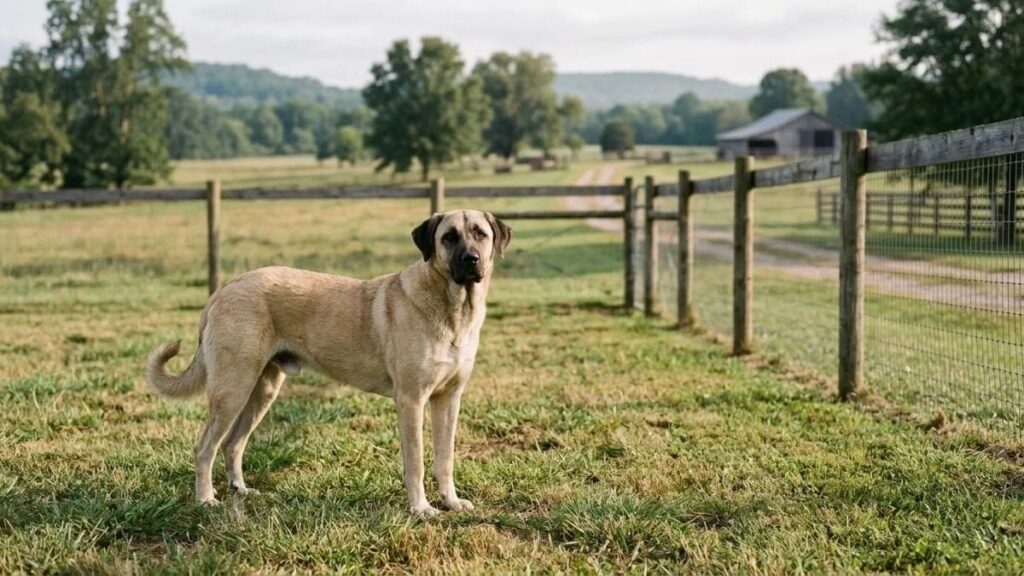
10. Anatolian Shepherd
The Anatolian Shepherd is a large livestock guardian developed to protect flocks. PetMD lists a typical weight range of approximately 80 to 150 pounds. The breed is known for independence, alertness and strong protective instincts.
Anatolian Shepherds are not generally suited to owners who want an outgoing dog that welcomes every visitor. They need early, thoughtful socialisation, consistent boundaries and secure fencing. Their instinct to patrol and make independent decisions should be considered before bringing one into a suburban home.
Exercise should include regular movement and opportunities to use the dog’s mind, but the breed does not necessarily need constant high-intensity activity. Training should focus on reliable everyday behaviour and safe management.
Potential health concerns include bloat and joint problems. PetMD also notes sensitivity to anaesthesia, which is worth discussing with a veterinarian before any procedure.
Practical fit: An experienced owner with space, strong fencing and a genuine understanding of livestock guardian behaviour.
11. Cane Corso
The Cane Corso is a muscular Italian working breed with a short coat and a naturally watchful expression. PetMD describes adults as weighing more than 100 pounds, with a typical lifespan of around 9 to 12 years.
Cane Corsos are often loyal to their families, but they are powerful dogs with strong guarding tendencies. Early socialisation and consistent, reward-based training are essential. Owners should not rely on intimidation or harsh handling to control a dog of this size.
A secure, well-managed outdoor area is important. PetMD advises against relying on invisible fencing for this breed. Apartment living may be difficult, particularly when the dog’s exercise, training and management needs cannot be met.
Health concerns can include bloat, hip dysplasia and epilepsy. Ask a responsible breeder about health screening and the temperament of the parents.
Practical fit: An experienced, committed owner who can provide structured training, socialisation and secure management.
12. Kuvasz
The Kuvasz is a large white livestock guardian with a thick coat and an independent working temperament. PetMD lists a typical weight range of approximately 70 to 115 pounds.
The breed is loyal to its family but can be reserved around unfamiliar people. It needs consistent training, early socialisation and enough space to move. Its history as a guardian means it may be inclined to patrol or roam, making reliable fencing important.
The coat requires routine brushing, particularly during shedding periods. Harsh training methods can damage trust and make cooperation harder, so calm, consistent handling is preferable.
Bloat is an important health concern for this deep-chested breed. Know the warning signs, including a suddenly swollen abdomen, repeated unproductive retching, restlessness and excessive drooling. Seek emergency veterinary care if GDV is suspected.
Practical fit: An experienced owner who can offer space, secure fencing and patient training.
13. Black Russian Terrier
The Black Russian Terrier is a large, robust working breed developed for guarding and protection. PetMD lists a typical weight range of approximately 80 to 130 pounds, while VCA gives a higher upper range.
These dogs are intelligent and often devoted to their families. They can be reserved around strangers, so socialisation and training should begin early and continue throughout adulthood.
The coat is not a low-maintenance feature. Regular brushing is needed to prevent tangles, and many owners use professional grooming to maintain its shape. Budget for that ongoing expense before choosing the breed.
Potential health concerns include hip and elbow dysplasia, eye disease, bloat and bladder stones. Ask breeders about screening and the health history of their dogs.
Practical fit: An owner who wants a trainable guardian-type dog and can provide regular grooming, exercise and socialisation.
Active Large Working Breeds
Not every big dog is a relaxed companion. Some were bred to work for long periods, and their physical and mental needs can be demanding. A large garden alone will not replace structured exercise, training and interaction.
14. Alaskan Malamute
The Alaskan Malamute is a powerful Arctic sled dog with a thick double coat, broad head and strong build. PetMD lists a typical weight range of approximately 75 to 85 pounds, although individuals can vary.
Malamutes need regular exercise and activities that engage their strength and intelligence. They may have a strong prey drive toward smaller animals, and introductions to other pets should be managed carefully.
Their thick coat sheds heavily, especially during seasonal coat changes. Daily brushing may be needed during heavy shedding periods. Warm and humid climates can also be challenging, so owners should plan exercise for cooler hours and provide a comfortable indoor environment.
Potential health concerns include hip dysplasia, eye conditions and certain inherited disorders. Ask breeders about appropriate screening.
Practical fit: An active owner who can provide daily exercise, manage heavy shedding and protect the dog from overheating.
15. Belgian Malinois
The Belgian Malinois is included as a large working-breed comparison, although it is not a giant dog. PetMD lists adult weights of approximately 40 to 80 pounds, with males generally heavier than females.
This breed was developed for herding and later became well known for police, military and other demanding working roles. It is intelligent, energetic and highly trainable, but those qualities can become difficult to manage without enough exercise, structured training and mental stimulation.
Daily walks alone are rarely enough. Many Malinois need sustained physical activity and purposeful work such as tracking, agility, obedience or other suitable training. Without enough engagement, they may develop unwanted behaviours.
Practical fit: An experienced, highly active owner who wants a working partner rather than a low-maintenance family pet.
Big Dog Breeds: Quick Comparison
Use this table as a starting point, not as a ranking. A breed’s suitability depends on the individual dog and the household.
| Household priority | Breeds worth researching | Important considerations |
|---|---|---|
| Calm companion | Saint Bernard, Mastiff, Great Dane | Size, drooling, exercise and health costs |
| Water activities | Newfoundland | Coat care, swimming safety and heat |
| Experienced guardian owner | Cane Corso, Anatolian Shepherd, Tibetan Mastiff | Socialisation, secure fencing and handling |
| Active outdoor owner | Alaskan Malamute, Belgian Malinois | Exercise, training and climate |
| Heavy grooming is manageable | Leonberger, Bernese Mountain Dog, Newfoundland | Regular brushing and shedding |
| Very large dog experience | Irish Wolfhound, Mastiff, Great Dane | Transport, lifespan and veterinary planning |
Health, Food Costs and Everyday Care
A large dog can be expensive to keep healthy. Food, parasite prevention, medication, equipment and veterinary procedures may cost more than they would for a smaller dog. Before choosing a breed, estimate the recurring expenses as well as the cost of unexpected treatment.
Understand bloat and GDV
Gastric dilatation-volvulus, commonly called bloat, occurs when the stomach fills with gas and may twist. It is a life-threatening emergency that requires immediate veterinary attention.
Warning signs can include:
- A swollen or unusually firm abdomen
- Repeated attempts to vomit without bringing anything up
- Excessive drooling
- Restlessness or repeated changes in position
- Weakness, collapse or signs of severe discomfort
Do not wait to see whether these signs improve. Contact an emergency veterinary hospital immediately if you suspect GDV.
Some large and deep-chested breeds have a higher risk, but GDV can affect other dogs too. Ask your veterinarian about your dog’s individual risk and whether preventive gastropexy is worth discussing. Do not assume that a particular bowl, feeding schedule or home remedy can prevent this emergency.
Feed growing dogs appropriately
Large and giant breed puppies grow quickly, but faster growth is not necessarily healthier growth. Their food needs to support controlled development and appropriate bone growth.
Choose a complete diet formulated for large-breed puppy growth when recommended for your puppy. The appropriate feeding period varies with expected adult size and development, so ask your veterinarian when to transition to adult food.
Avoid adding calcium or other supplements unless your veterinarian recommends them. Excessive or unbalanced supplementation can create problems during growth.
Keep weight and joints in mind
Extra body weight places additional strain on joints. Maintain a healthy body condition, use age-appropriate exercise and ask your veterinarian about signs of hip or elbow problems.
A growing puppy should not be pushed into repetitive high-impact exercise. Build activity gradually and follow professional advice for the breed and the individual dog.
Plan for training early
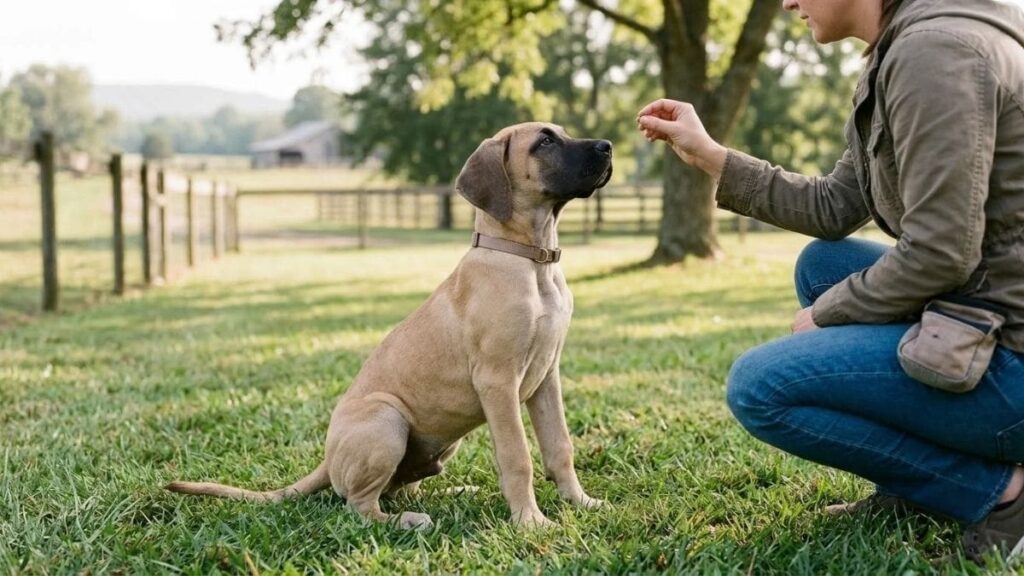
A dog that weighs 100 pounds or more must learn to walk calmly on a lead, greet people without jumping and respond to basic cues. Training is not simply a convenience; it is an important part of safe ownership.
Use reward-based methods and seek a qualified trainer when needed. Our dog training basics guide explains the foundations.
[IMAGE 5: large-breed-puppy-learning-sit-with-owner.webp]
Space, Fencing and Safety at Home
A large dog does not automatically need a mansion, but it does need enough room to stand, stretch, turn around and rest comfortably. Think about doorways, stairs, flooring, furniture and the space available in your vehicle.
A secure yard can be helpful, particularly for guardian breeds and dogs with a tendency to roam. Fence height and strength should be suitable for the individual dog. A fence that contains a small companion dog may not be enough for a determined, powerful guardian.
Consider these practical details before bringing a big dog home:
- Flooring: Slippery floors can make movement difficult. Rugs or non-slip runners may help in frequently used areas.
- Stairs: Consider how your dog will manage stairs as a puppy, adult and senior.
- Transport: Check that your vehicle can safely accommodate the dog’s adult size and a suitable restraint or travel crate.
- Resting space: Choose a bed large enough for the dog to stretch out fully.
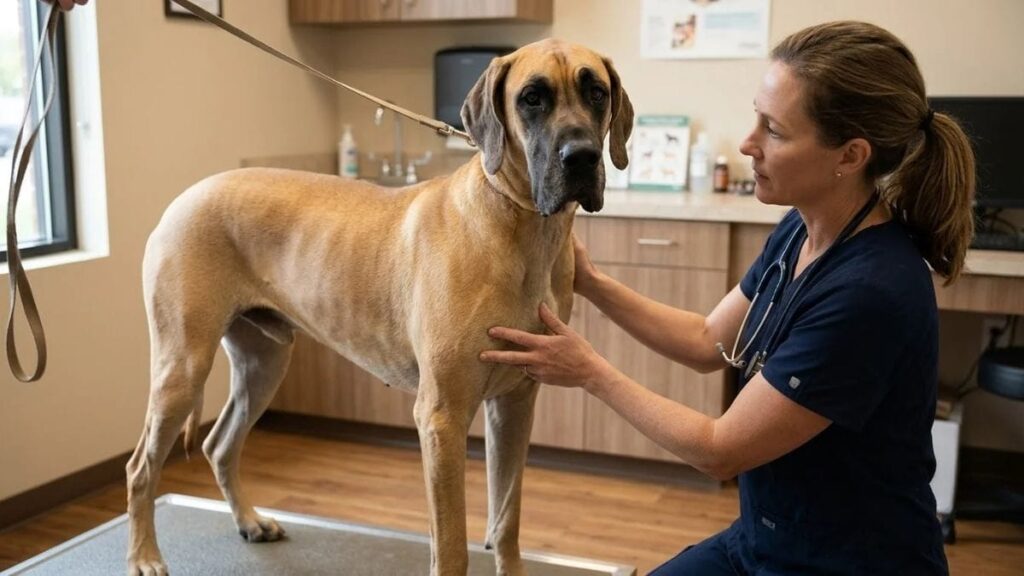
- Veterinary access: Find a clinic equipped to examine and handle giant breeds.
- Visitors and children: Teach safe interactions and supervise children around dogs, regardless of breed.
Protect big dogs from heat
Heat safety matters for every dog, but thick-coated and short-muzzled breeds can face additional challenges. Dogs such as the Alaskan Malamute have dense coats, while the Dogue de Bordeaux has a short muzzle that may make breathing and cooling more difficult.
Avoid strenuous exercise during hot or humid periods. Provide shade, fresh water and a cool indoor resting place. Walk during cooler hours and never leave a dog unattended in a parked vehicle.
Heavy panting, excessive drooling, vomiting, weakness, confusion or collapse can be signs of heatstroke. Treat suspected heatstroke as an emergency and contact a veterinary hospital immediately.
How to Choose the Right Big Dog Breed
A breed’s appearance or reputation should not be the deciding factor. Start with the daily routine you can realistically maintain.
Consider your experience. Guardian breeds and high-drive working dogs can be challenging for inexperienced owners. Be honest about your ability to manage training, socialisation and physical strength.
Compare exercise needs. A Mastiff and a Belgian Malinois do not need the same routine. Choose a dog whose activity requirements fit your lifestyle.
Think about climate. Thick-coated and short-muzzled dogs may need additional care in hot or humid conditions. This is particularly important if your home has limited cooling.
Calculate the full cost. Include food, grooming, training, preventive care, transport equipment and emergency savings.
Meet adult dogs when possible. Puppies are appealing, but meeting mature dogs can give you a more realistic idea of adult size, energy and behaviour.
If you are considering your first dog, compare these breeds with our guide to dog breeds for first-time owners. You can also explore friendly dog breeds and farm dog breeds to understand other working and companion types.
FAQs
What is the biggest dog breed?
The Mastiff is among the heaviest dog breeds, with PetMD listing a typical range of approximately 120 to 230 pounds. Great Danes and Irish Wolfhounds are particularly notable for their height. The answer depends on whether you mean height, weight or overall build.
Are big dog breeds good with children?
Some large breeds are affectionate and patient with children, but no breed should be assumed safe in every situation. A large dog can accidentally knock over a child, even during friendly play. Supervise interactions, teach children to respect the dog’s space and choose an individual dog whose temperament suits the household.
Can big dogs live in apartments?
Some can, depending on the breed, individual temperament, exercise routine and available indoor space. A Great Dane may adapt to apartment life with a committed owner, while an independent guardian or highly active working breed may be much harder to manage in a small home.
How long do big dogs live?
Lifespan varies by breed and individual health. PetMD’s giant-breed guide gives a broad average of approximately 8 to 12 years, but some giant breeds have shorter expected lifespans. The Irish Wolfhound and Dogue de Bordeaux are examples where lifespan deserves particular consideration.
Which big dog breeds are best for first-time owners?
There is no universally suitable large breed for every first-time owner. A calmer companion breed may be easier to manage than a high-drive working dog or independent guardian, but size, training, health and lifestyle still matter. Meet adult dogs, speak with responsible breeders or rescue organisations and discuss your circumstances before deciding.
Conclusion
Big dog breeds can be affectionate companions, capable working partners or dedicated guardians. What they have in common is the need for responsible planning. Their food, training, equipment, transport and veterinary care can require a substantial commitment.
The right breed is not necessarily the biggest, calmest or most popular. It is the one whose exercise needs, temperament, health considerations and adult size fit your household.
Before making a decision, shortlist three breeds, research their health screening needs and meet adult dogs whenever possible. A realistic understanding of daily life with the breed is more useful than choosing by appearance alone.