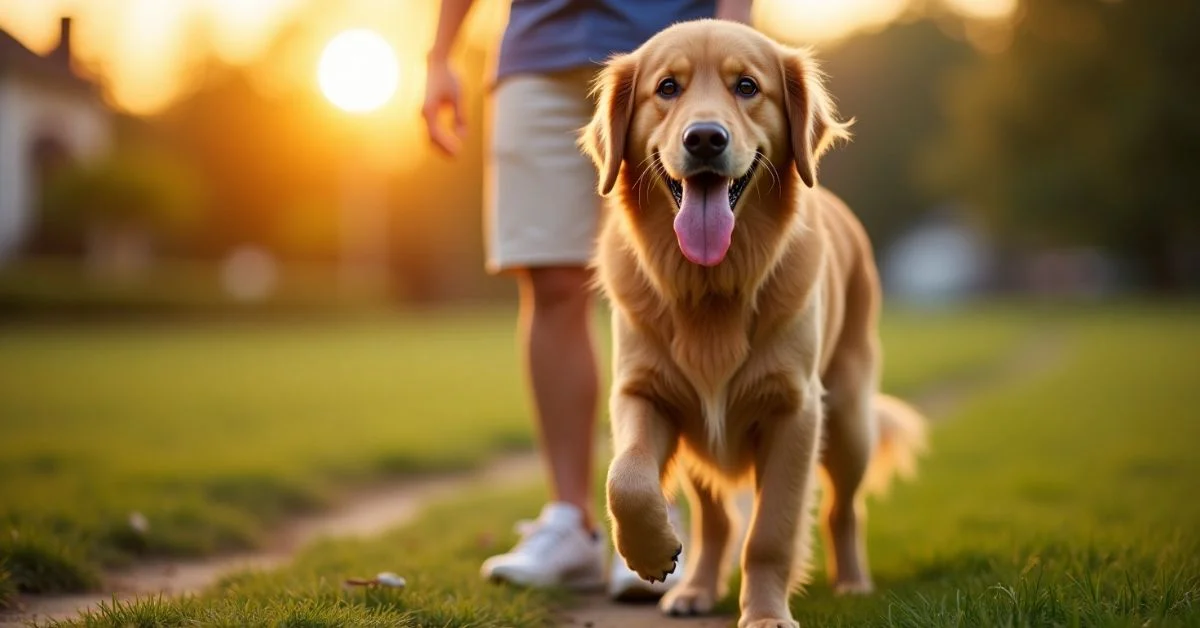
Dog paw care is essential for your pet’s overall health and happiness. As a dog parent, it’s easy to focus on feeding, training, or brushing, but paw maintenance often gets overlooked. Yet, these small but mighty pads do so much—absorbing shock, maintaining grip, and protecting bones during walks, runs, and playtime.
Dog paw care is not just about hygiene—it’s about protecting your pup from burns, cracks, infections, and even long-term mobility issues. Whether you’re strolling through the park or living in a hot urban area, your dog’s paws need your attention.
Let’s dive into a complete guide to dog paw care that keeps your canine’s feet in tip-top shape all year round.
Table of Contents
Why Dog Paw Care Matters More Than You Think

Dog paw care starts with awareness. Paws are your dog’s primary contact with the world. They walk on scorching pavements, icy trails, sharp stones, and even chemical-laced sidewalks. Without proper care, paws can develop painful cracks, blisters, or infections.
Dog paw care helps prevent:
- Burns from hot surfaces like asphalt or sand
- Frostbite from extreme cold or icy sidewalks
- Cuts from glass, thorns, or metal
- Infections from bacteria or fungi in wet environments
- Dry, cracked pads from overexposure
According to the AKC (American Kennel Club), dry or damaged paw pads are one of the most common reasons dogs visit vets during summer and winter.
How to Inspect Your Dog’s Paws Daily
Dog paw care begins with regular checks. Every time your dog comes in from a walk, do a quick scan.
Here’s what to look for:
- Cracks or bleeding in the pads
- Redness or swelling between the toes
- Debris like small rocks or splinters
- Excessive licking or limping
Use a flashlight if needed and gently spread their toes. Look underneath and around each nail. If your dog pulls away or whines, that may indicate pain or sensitivity.
Daily Dog Paw Cleaning Routine

Dog paw care includes simple hygiene steps to keep dirt and bacteria at bay.
Step-by-step cleaning guide:
- Rinse paws with lukewarm water after walks, especially during allergy season or winter.
- Dry thoroughly using a soft towel, including between the toes.
- Disinfect minor scrapes with a vet-approved antiseptic solution.
- Use hypoallergenic pet wipes for quick cleanups.
Avoid using human soap or alcohol-based cleaners—they can dry or irritate paw skin.
Moisturizing Your Dog’s Paw Pads
Dog paw care is incomplete without hydration. Just like human heels, paw pads crack when dry.
Apply paw-safe balm or wax regularly. These moisturizers protect against salt, ice, or pavement heat. Some great options include:
- Musher’s Secret Paw Wax
- Natural Dog Company Paw Soother
- PawTection Stick
Apply balm after walks or before bedtime. Let it soak in before your dog starts walking again. This keeps paws soft and crack-free.
Seasonal Dog Paw Care Tips
Dog paw care changes with the weather. Each season presents unique threats:
Summer
- Hot asphalt can burn pads.
- Walk during early mornings or evenings.
- Test pavement with your hand—if it’s too hot for you, it’s too hot for your dog.
- Use breathable dog booties for protection.
Winter
- Salt and de-icers can irritate skin.
- Clean paws after every walk to remove salt.
- Apply balm before and after walks.
- Avoid icy areas to prevent slips.
Rainy Season
- Moisture leads to fungal infections.
- Dry thoroughly after walks.
- Check for redness or foul odor.
Fall
- Leaves may hide sharp sticks or insects.
- Inspect paws for cuts after hikes.
- Keep nails trimmed to avoid breakage.
Trimming Fur and Nails for Better Paw Health

Dog paw care also includes regular grooming. Overgrown fur or nails can cause imbalances, slipping, and even pain.
Trim your dog’s nails:
- Every 3–4 weeks or as needed
- Use a nail clipper or grinder designed for dogs
- Avoid cutting the quick (sensitive pink area)
Trim paw fur:
- Especially between pads to prevent matting or debris buildup
- Use blunt grooming scissors
- Comb through to detangle before trimming
Proper grooming improves traction and keeps foreign particles from lodging in their paws.
When to Use Dog Booties or Shoes
Dog paw care gets extra help from protective wear. Booties aren’t just for fashion—they prevent burns, frostbite, and wounds.
Consider dog boots if:
- You live in a city with salted sidewalks
- Pavement temperatures exceed 85°F
- Your dog hikes on rocky trails
- There’s snow or ice outdoors
Look for breathable, anti-slip soles with adjustable straps. Make sure the fit is snug but not tight. Let your dog practice wearing them indoors first.
Signs Your Dog’s Paws Need Veterinary Attention
Dog paw care isn’t always DIY. Some conditions require medical help.
See your vet if you notice:
- Persistent limping or favoring a paw
- Open wounds or pus
- Swelling that doesn’t go down
- Discolored pads (white, blue, or black spots)
- Strong odor or oozing between toes
Conditions like yeast infections, burns, or interdigital cysts need prescription treatment. Don’t wait—early intervention prevents long-term damage.
Nutrition’s Role in Healthy Paw Pads

Dog paw care also depends on diet. Nutrient-rich food supports skin health from the inside out.
Key ingredients to include:
- Omega-3 fatty acids (found in fish oil)
- Vitamin E for skin repair
- Biotin and Zinc to maintain paw strength
You can find these in supplements or premium kibble blends. Consult your vet before adding any supplement to your dog’s diet.
Natural Remedies to Soothe Dog Paws at Home
Dog paw care can benefit from gentle, home-based remedies. But make sure they’re safe for pets.
Try these natural soothers:
- Epsom salt soak for swollen paws (1 tsp per 2 cups warm water)
- Coconut oil as a light moisturizer
- Aloe Vera gel (only pet-safe formulas) for minor burns
- Chamomile tea rinse to calm irritated skin
Always test on a small area first and monitor for allergies.
How to Prevent Common Paw Problems
Dog paw care also means staying proactive. Prevention saves time, money, and your pup’s comfort.
Tips to reduce paw issues:
- Walk on grassy or shaded areas
- Avoid snow or de-iced sidewalks
- Wipe paws after every outing
- Use moisturizing balm in dry months
- Schedule monthly grooming sessions
- Watch for chewing or licking behavior
The American Veterinary Medical Association (AVMA) encourages checking your dog’s feet daily, especially after high-activity days or weather extremes.
Dog Paw First Aid Kit Checklist

Prepare a paw-care kit for quick response during hikes or emergencies.
Here’s what to include:
- Paw balm or wax
- Antiseptic wipes or spray
- Tweezers (for splinters)
- Non-stick gauze pads
- Self-adhesive bandages
- Booties or socks
- Nail trimmer
Keep this kit in your car, hiking bag, or near the door for quick access.
Conclusion
Dog paw care is more than a grooming task; it’s an essential part of your dog’s well-being. Healthy paws allow your dog to walk, run, explore, and live pain-free.
Dog paw care starts with small habits: daily checks, cleaning after walks, moisturizing dry pads, trimming nails, and protecting paws from the elements. When you prioritize paw health, you’re showing your pup love most practically.
From puppyhood to senior years, your dog counts on you. So the next time you grab the leash, take a moment for those paws, too. Happy paws mean a happy, healthy life for your furry best friend.
FAQ’S
Q1. How often should I clean my dog’s paws?
Dog paws should be cleaned after every walk, especially if your dog has been outside on sidewalks, grass, or muddy paths. Regular cleaning removes dirt, allergens, road salt, and chemicals that can irritate or damage paw pads. A quick wipe with a damp cloth or pet-safe paw wipes, followed by thorough drying, helps keep paws clean, healthy, and infection-free.
Q2. What can I use for my dog’s cracked or dry paw pads?
If your dog has cracked or dry paw pads, the best solution is to apply a dog-safe paw balm. Look for products with natural ingredients like shea butter, beeswax, and coconut oil. These help restore moisture and protect the pads from further damage. Avoid using human lotions, which may contain ingredients toxic to dogs.
Q3. Why does my dog keep licking its paws?
Excessive paw licking can be caused by allergies, irritants like lawn chemicals, fungal or bacterial infections, or even anxiety. If your dog constantly licks one or more paws, check for visible signs of injury or redness. When no external cause is found, it’s best to consult your veterinarian to rule out internal or behavioural issues.
Q4. When should I use dog booties?
Dog booties should be used during extreme weather conditions, such as on hot asphalt in the summer or icy, salted sidewalks in winter. They’re also helpful on rough terrain or when your dog has a paw injury that needs protection. Booties act as a barrier to prevent burns, cuts, and further damage to sensitive paw pads.
Q5. How do I know if my dog’s paw is infected?
An infected paw usually shows signs like swelling, redness, warmth, or discharge. Your dog may also limp, favour one paw, or lick the area constantly. If you notice any of these symptoms, especially if accompanied by a foul smell or visible pus, contact your veterinarian for proper treatment before the infection worsens.
Looking for more dog inspiration? Click here to explore more pawsome content.