Caring for a dog well means far more than food and a place to sleep. It’s a daily commitment to physical health, mental wellbeing, and a safe environment, and it looks a little different at every life stage.
This complete guide to dog care tips brings together everything a dog owner needs in one place: feeding and exercise fundamentals, a preventive health-care schedule, mental stimulation and training basics, and the safety essentials that are easy to overlook.
Whether you’re bringing home your first puppy or want to sharpen the dog care basics for a dog you’ve had for years, use this as your reference on how to take care of a dog from day one.
This guide is part of our broader Dog Care hub. Browse more guides on dog behavior and training or explore our full dog breed library for breed-specific advice.
Table of Contents
Understanding Your Dog’s Individual Needs

Every dog is different, and good care starts with recognizing that. Breed, age, size, and personality all shape what a dog actually needs day to day.
- Breed and size: A Border Collie and a French Bulldog have wildly different exercise requirements, even at the same age.
- Life stage: Puppies need more frequent meals and vet visits; senior dogs need adjusted diets and gentler exercise.
- Temperament: Some dogs need more mental stimulation and companionship, while others are content with quieter routines.
Observing your dog’s appetite, energy levels, and reactions to their environment over the first few weeks tells you far more than any generic checklist. Use the guidance below as a framework, then adjust it to the dog in front of you.
Daily Care Fundamentals

These daily dog care tips form the foundation on which everything else builds. Get these right, and most other issues become far easier to prevent.
Feeding and Nutrition
Most adult dogs do well on two meals a day, one in the morning and one in the evening, with consistent portion sizes based on age, breed, and activity level.
Puppies typically need three to four smaller meals a day until they’re about six months old.
- Choose a food appropriate to your dog’s life stage (puppy, adult, senior) rather than a one-size-fits-all formula.
Toy and small breeds often need food formulated for their faster metabolism and smaller kibble size. Our small dog breed food guide covers this in detail.
- Keep portions consistent. Check body condition by feeling for ribs; if you can’t feel them easily, your dog may be overweight.
- Avoid table scraps high in salt, fat, or seasoning. The ASPCA’s list of foods to avoid feeding pets flags chocolate, grapes and raisins, onions and garlic, xylitol, alcohol, and macadamia nuts as common household items that are toxic to dogs. See Sources at the end of this guide for the full list.
- If considering a homemade diet, consult your vet first, since homemade meals need careful nutrient balancing to avoid long-term deficiencies.
Clean water should be available at all times. Wash the water bowl daily to prevent bacterial buildup, especially in warm climates where water fouls faster.
Exercise
Daily physical activity is one of the most important and breed-dependent parts of dog care.
Most dogs need 30 to 60 minutes of activity a day, but high-energy working breeds often need significantly more, while brachycephalic breeds need shorter, gentler sessions, particularly in hot weather.
Working and herding breeds like the Border Collie and German Shepherd often need structured activity, not just time outdoors. Our breed-specific training guides cover exercise routines that also channel their working drive.
Puppies have very different exercise needs than adult dogs, and over-exercising a growing puppy can strain developing joints. See our guide on how much exercise a puppy needs for age-appropriate activity levels.
- Walks, fetch, and tug-of-war all count. Variety keeps dogs engaged rather than just physically tired.
- In hot or humid conditions, exercise in the early morning or evening, and always test the pavement temperature with your hand before a walk.
- Under-exercised dogs are harder to train and more prone to destructive behavior, since exercise directly supports focus and mood.
Grooming
Grooming needs vary by coat type, but the basics apply to every dog:
Clean ears with a vet-approved solution; avoid inserting anything deep into the ear canal.more secure in a stable, clean, and loving environment.
Brush daily to weekly, depending on coat length. This reduces shedding, prevents matting, and gives you a chance to check for fleas, ticks, or skin issues.
Bathe only as needed (overbathing strips natural oils) using a dog-specific shampoo.
Trim nails regularly; overly long nails affect gait and can cause pain.
Check and clean paws after walks. Cracked pads, embedded debris, and hot-pavement burns are common but preventable issues. See our complete guide to dog paw care for seasonal tips and paw-balm recommendations.
Preventive Health Care

Preventive care is what separates a good dog-care routine from a great one: catching problems early is cheaper, safer, and often the difference between a minor fix and a serious illness.
Veterinary Checkups
- Healthy adult dogs: at least one checkup per year.
- Puppies and senior dogs: more frequent visits, as recommended by your vet.
- Watch for lethargy, vomiting, diarrhea, appetite loss, or sudden behavior changes. Dogs are good at hiding pain, so subtle shifts matter.
Vaccinations
The American Veterinary Medical Association (AVMA) divides vaccines into ‘core’ (recommended for all dogs) and ‘non-core’ (recommended based on lifestyle or region). A general starting framework looks like this, though your vet will adjust it for your dog’s specific circumstances:
| Stage | Core Vaccines |
| Puppy shots | DHPP (Distemper, Hepatitis, Parainfluenza, Parvovirus), Bordetella, Rabies |
| Boosters | Yearly or triennial depending on vaccine type and vet recommendation |
Always confirm the exact schedule with your vet, since it varies by region and individual health history.
Dental Care
Dental health is one of the most overlooked parts of dog care, but poor oral hygiene can lead to infections and, over time, contribute to broader health problems.
According to the AVMA, regular brushing is the single most effective thing an owner can do to maintain a dog’s dental health between professional cleanings.
Daily is ideal, but several times a week is still effective. Dental chews and vet-approved dental diets can help, but don’t replace brushing.
Bad breath, red or swollen gums, and visible tartar buildup are all signs it’s time for a dental checkup with your vet.
Parasite Prevention
Keep a basic medical log noting any symptoms, treatments, or vet visits, since early detection saves both money and your dog’s health.ff your plate
Use vet-recommended flea, tick, and heartworm prevention year-round, especially in warm or humid climates.
Check your dog’s coat and skin regularly after outdoor time, particularly after walks in grassy or wooded areas.
Mental and Emotional Well-being

Dogs need mental stimulation as much as physical care. Bored dogs chew, bark excessively, or act out.
Mental Stimulation
Dogs need mental exercise as much as physical exercise. Without it, boredom often shows up as destructive chewing, excessive barking, or other unwanted behaviors.
- Puzzle toys and treat-dispensing feeders challenge problem-solving skills.
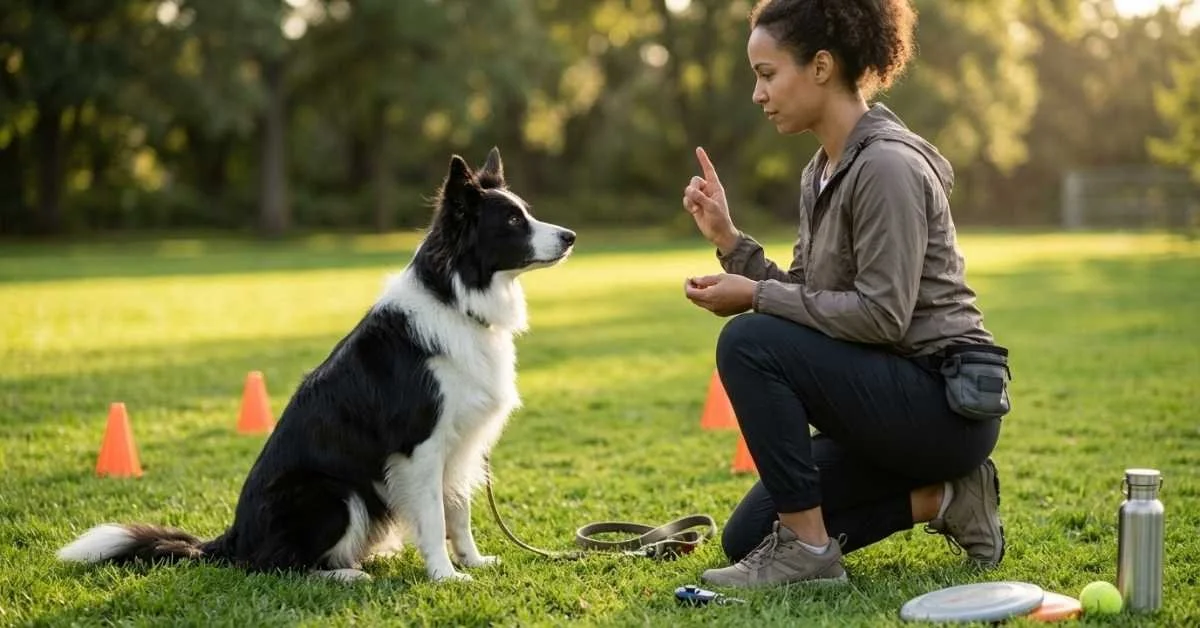
- Short daily training sessions (5-10 minutes) keep the mind sharp and reinforce good behavior at the same time.
- Rotate toys periodically to keep novelty high.
Training Basics
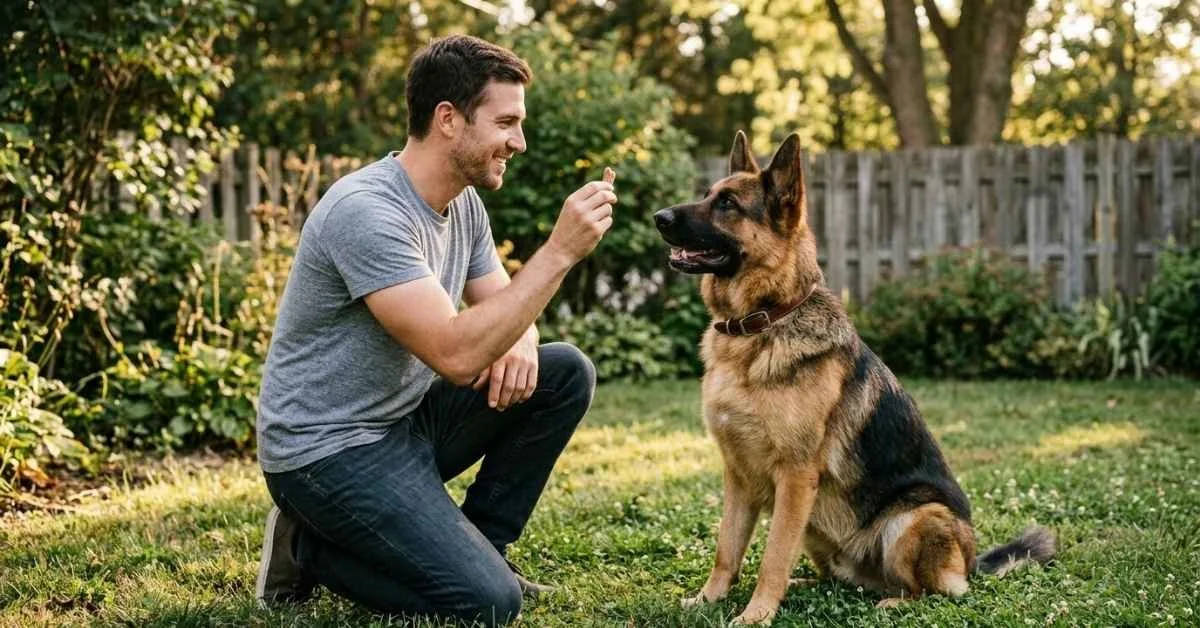
The American Kennel Club (AKC) describes positive reinforcement (rewarding desired behavior with treats, praise, or play) as one of the most effective and humane training approaches, and it applies at any age, not just puppyhood.
- Keep sessions short and consistent rather than long and infrequent.
- If your dog regresses in training or forgets a command, it’s normal. Return to basics and reward generously rather than punishing.
- Match rewards to what actually motivates your dog: food, toys, or simply verbal praise and attention.
Once the basics are solid, our dog training tricks guide and fun dog training tricks roundup cover the next step for owners who want to go beyond commands.
Socialization
Well-socialized dogs are more confident and easier to manage around people, other animals, and new environments. Introduce your dog gradually to new situations, pairing anything unfamiliar or intimidating with something positive, and let them move at their own pace rather than forcing exposure.
Safety and Home Environment

Your home should be a safe space for your dog to explore and rest.
- Keep living spaces clean. Wash bedding, crates, and food/water bowls regularly to prevent bacteria and pest buildup.
- Dog-proof your home: secure toxic foods, household chemicals, and small objects your dog could swallow.
- Ensure your dog has proper identification, such as a collar tag plus a microchip, in case they get lost.
- Keep a basic pet first-aid kit at home and know the location of the nearest 24-hour emergency vet.
Common Dog Care Mistakes to Avoid

Even well-meaning owners fall into a few avoidable traps. Steering clear of these keeps your dog care tips actually working in practice, not just on paper.
- Inconsistent feeding times or portion sizes, which can lead to weight and digestive issues.
- Skipping dental care until a problem is already advanced.
- Over-relying on a backyard for exercise instead of dedicated walks and engagement.
- Assuming a tired dog is a satisfied dog: physical tiredness without mental stimulation still leaves gaps in a dog’s wellbeing.
- Waiting for symptoms to worsen before contacting a vet, rather than getting things checked early.
Final Thoughts
Good dog care isn’t a single big effort. It’s a set of small, consistent habits: a steady feeding routine, daily exercise and grooming, preventive vet care, and enough mental stimulation and connection to keep your dog genuinely content.
Whether you’re just learning how to take care of a dog or refining years of experience, these dog care tips give you the foundation for a long, healthy, and happy life together.
FAQ’S
What are the most important dog care tips for a new owner?
The dog care basics that matter most early on are a consistent feeding schedule, daily exercise, a vaccination and vet-checkup plan, and positive-reinforcement training started as soon as your dog settles in. Everything else builds on these fundamentals.
How often should I feed my dog?
Most adult dogs do well with two meals a day. Puppies typically need three to four smaller meals until around six months of age. Always confirm portions and frequency with your vet based on your dog’s breed, age, and activity level.
How much exercise does my dog need?
Most dogs need 30 to 60 minutes of daily activity, though high-energy breeds often need more and short-nosed breeds need shorter, gentler sessions, especially in hot weather.
How often should I take my dog to the vet?
At least once a year for healthy adult dogs. Puppies and senior dogs typically need more frequent visits. Ask your vet for a schedule suited to your dog’s age and health history.
Can I feed my dog a homemade diet?
Yes, but only with veterinary guidance. Homemade diets need to be carefully balanced with the right nutrients, or they can cause long-term health problems.
What’s the best way to train my dog?
Positive reinforcement (rewarding good behavior with treats, praise, or play) is the most effective and humane training method, and it works at any age.
How do I know if my dog is sick?
Watch for lethargy, vomiting, diarrhea, loss of appetite, or sudden changes in behavior. Dogs often hide pain well, so any noticeable shift is worth a vet visit.
Sources & Further Reading
This guide draws on guidance from the following veterinary and animal-welfare organizations. Follow the links for the full details on any topic: