
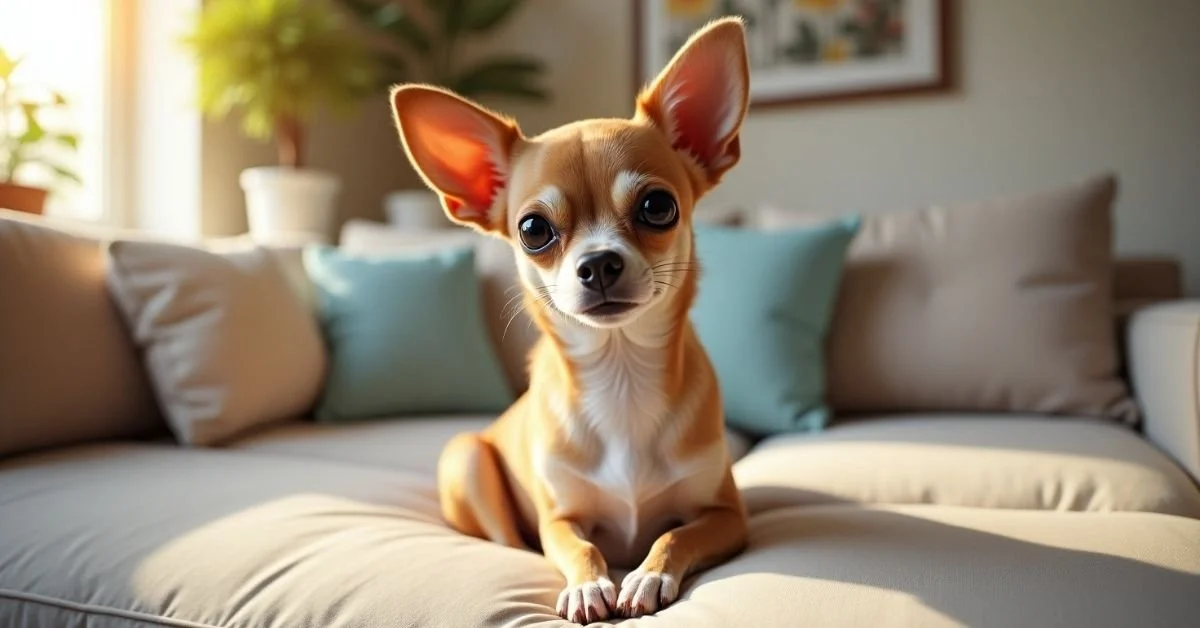
The chihuahua dog may be tiny, but it has one of the biggest personalities in the canine world. Known for its loyalty, charm, and spirited nature, this breed has captured the hearts of pet lovers worldwide. Whether you’re living in a city apartment or a suburban home, the chihuahua dog can be the perfect companion, as long as you understand its needs and quirks.
In this guide, we’ll explore the history, characteristics, care, training, and health needs of this remarkable little dog, so you can decide if a chihuahua is the right match for your lifestyle.
Table of Contents
Introduction to the Chihuahua Dog
The chihuahua dog is famous for being one of the smallest dog breeds in the world, typically weighing between 2–6 pounds. But don’t be fooled by their size — these dogs are bold, alert, and full of personality. They thrive on attention, form deep bonds with their owners, and can be surprisingly protective despite their stature.
Chihuahuas are adaptable, making them a good choice for apartment dwellers, seniors, and families with older children. They can live happily in both city and rural settings, provided they receive enough attention and care.
Why the Chihuahua Dog Is So Popular
Part of the chihuahua dog’s appeal comes from its versatility. They’re small enough to travel with easily, and their grooming needs are minimal compared to some other breeds. Add to that their long lifespan — often 14–17 years — and you have a companion that will be with you for many years.
Their feisty and sometimes comical personality has also made them social media stars and beloved pets for celebrities and everyday owners alike.
History and Origin of the Chihuahua Dog
The chihuahua dog’s roots go back hundreds of years. Most historians believe they are descendants of the Techichi, a small, mute companion dog kept by the Toltec civilization in Mexico as far back as the 9th century. When the Aztecs conquered the Toltecs, they refined the breed, and over time, these dogs became part of daily life and culture.
The modern chihuahua dog emerged in the Mexican state of Chihuahua in the 19th century, which is where the breed gets its name. They were brought to the United States in the late 1800s and quickly gained popularity. Today, the American Kennel Club recognizes the chihuahua as a member of the Toy Group.
Ancient Roots and Cultural Significance
In Aztec culture, chihuahuas were often seen as spirit guides, and they were sometimes buried alongside their owners to guide them in the afterlife. They were also thought to have healing powers, especially for respiratory ailments.
While these beliefs may be rooted in mythology, they highlight just how treasured the chihuahua dog has been throughout history.
Physical Characteristics of the Chihuahua Dog
Small yet sturdy, the chihuahua dog typically weighs 2–6 pounds and stands about 5–8 inches tall. Their compact size and alert expression make them instantly recognizable.
They come in a wide range of colors and patterns, including fawn, black, chocolate, cream, white, and even merle. Coat types vary from smooth (short-haired) to long-haired, with grooming needs differing between the two.
Apple Head vs. Deer Head Chihuahua
There are two main head shapes in the breed:
- Apple Head: Rounded skull with a short muzzle, more common in show lines.
- Deer Head: Longer muzzle and more slender face, resembling a young deer.
Both are equally loving and intelligent, but apple-heads tend to meet breed show standards more closely.
Size, Weight, and Coat Types
Some breeders market “teacup chihuahuas,” but this term is misleading — there is no official teacup variety. Extremely small chihuahuas can face serious health issues, so it’s important to choose a healthy, well-bred puppy.
Long-haired chihuahuas require more frequent grooming, while smooth coats are easier to maintain.
Personality and Temperament of the Chihuahua Dog

The chihuahua dog is confident, alert, and affectionate. They love to be close to their owners and often bond most closely with one or two people in the household. Their small size makes them easy to carry, but they also enjoy walking and playing.
While loving with their families, chihuahuas can be cautious or even territorial with strangers. Early socialization is key to preventing unwanted behaviors like excessive barking or fearfulness.
According to The Spruce Pets, chihuahuas are loyal, lively, and affectionate, making them wonderful companions when properly socialized and trained.
Loving Yet Protective Nature
Don’t let their size fool you — the chihuahua dog has a protective streak. Many will bark to alert their owners of strangers, making them excellent watchdogs. However, they should be taught when barking is appropriate.
Socialization With Other Pets
Chihuahuas can get along with other pets, especially if raised together. Their small size makes them vulnerable to injury from larger dogs, so supervised interactions are important.
How to Care for a Chihuahua Dog
Caring for a chihuahua dog means meeting their physical, emotional, and social needs. While they’re low-maintenance in some ways, they do have specific requirements. Like all pets, chihuahuas thrive when their basic needs are met. Following essential dog care tips helps keep your pup happy and healthy
Feeding and Nutrition

Chihuahuas have fast metabolisms and small stomachs, so they benefit from high-quality small-breed dog food. Look for formulas with lean protein, healthy fats, and essential vitamins. Puppies may need 3–4 small meals a day to prevent hypoglycemia.
Grooming Needs

Smooth-coated chihuahuas need weekly brushing, while long-haired varieties should be brushed 2–3 times a week to prevent tangles. Regular nail trims, ear checks, and dental care are also important.
Exercise Requirements

Despite their size, chihuahuas need daily activity. Short walks, indoor play, and puzzle toys help keep them healthy and mentally stimulated. Avoid overexertion, especially in extreme heat or cold.
Training Tips for a Chihuahua Dog
Training a chihuahua dog should be positive and reward-based. They respond well to praise, treats, and consistency. A great starting point is learning the dog training basics so you can teach your chihuahua positive habits from day one.
House Training Challenges
Their small bladders mean they need more frequent potty breaks. Puppy pads can help during the training process, but outdoor potty habits should be reinforced.
Teaching Basic Commands
Start with simple commands like “sit,” “stay,” and “come.” Short, fun training sessions are more effective than long ones.
Common Health Issues in Chihuahua Dogs
Chihuahuas are generally healthy but can be prone to certain conditions. The PetMD chihuahua health guide lists dental problems and hypoglycemia as common concerns for the breed.
Dental Problems
Small mouths mean crowded teeth, leading to plaque buildup and gum disease. Daily brushing and professional cleanings are essential.
Hypoglycemia and Other Concerns
Low blood sugar is a risk, especially in puppies. Signs include weakness, tremors, and confusion. Feeding small meals regularly can help prevent it.
Choosing or Adopting a Chihuahua Dog
Whether you’re buying or adopting, it’s essential to find a source that prioritizes both health and temperament.
Finding a Responsible Breeder
Look for breeders who provide health clearances and allow you to meet the puppy’s parents. Avoid breeders advertising “teacup” chihuahuas as a selling point.
Adopting From a Shelter
Many chihuahuas end up in shelters or rescues. Adoption can be a rewarding way to give a dog a second chance.
Conclusion – Why a Chihuahua Dog Might Be Your Perfect Match
The chihuahua dog may be small, but its loyalty, charm, and personality are larger than life. With the right care, training, and love, this breed can be a devoted companion for many years. For pet lovers looking for a portable, affectionate, and lively dog, the chihuahua could be the perfect choice.
FAQs
Q1. How long does a chihuahua dog live?
Typically 14–17 years with proper care.
Q2. Are chihuahuas good with children?
Best with older kids who know how to handle small dogs gently.
Q3. How much exercise does a chihuahua need?
About 20–30 minutes a day, plus indoor play.
Q4. Can chihuahuas be left alone during the day?
They prefer company but can manage short periods alone with proper training.
Q5. Do chihuahuas bark a lot?
They can be vocal; early training helps control barking.
Q6. What health problems are common in chihuahuas?
Dental issues, hypoglycemia, and patellar luxation.






We got a Chihuahua from a Rescue 5 years ago. The Rescue said he was neutered. But, lately he starts hunching the air when he gets happy. Is this normal?
Hi! Yes, this is totally normal. Humping when excited isn’t really about being intact, it’s more about general arousal, and vets confirm neutered dogs often keep doing it their whole lives since it’s not purely hormone driven (VCA Animal Hospitals and the American College of Veterinary Behaviorists both cover this in their behavior resources).
Since he’s a rescue and you didn’t witness the surgery yourself, it’s worth a quick vet check just to rule out a retained testicle, it’s uncommon but does happen occasionally with shelter neuters. If he checks out fine, this is just his way of letting off excitement, nothing to worry about. A quick “sit” cue can help redirect it if you’d rather he not do it. Give him a scratch for me, Chihuahuas have so much personality 😊