How much exercise does a puppy need? It’s one of the most important questions for new dog owners. Exercise plays a vital role in your puppy’s mental and physical development. The right balance of movement helps prevent behavior problems, builds strong muscles and bones, and improves sleep and digestion. But too much—or the wrong kind—can lead to joint stress and injuries, especially in growing puppies.
This guide explains exactly how much exercise your puppy needs based on age, breed, and energy level. It also includes safe activity ideas, indoor and outdoor play tips, warning signs of over-exercise, and expert-backed advice for raising a healthy, active puppy.
Table of Contents
Understanding How Much Exercise a Puppy Needs by Age.

Every stage of puppyhood demands different types of exercise. Puppies develop quickly, but their bones and joints are fragile until they mature. Here’s a breakdown of how much daily exercise your puppy likely needs at each stage.
8-Week to 3-Month-Old Puppies
At this stage, how much exercise does a puppy need? Not very much. Their bones are still soft and developing. Exercise should be gentle and limited.
Provide short play sessions a few times daily. Avoid stairs, jumping, or long walks. Instead, focus on socialization and light mental stimulation. According to AKC’s puppy care guide, soft play, gentle training, and frequent naps are ideal.
3 to 6 Months Old
How much exercise does a puppy need between 3 and 6 months? Aim for 30 to 60 minutes daily, broken into 2 to 3 short sessions.
Use the 5-minute rule: five minutes of activity per month of age, twice a day. For example, a 4-month-old should get around 20 minutes per session. American Kennel Club.
Include walks, obedience games, and training with positive reinforcement. Use interactive feeders and puzzles to help burn mental energy safely indoors.
PetMD explains that mental challenges are just as important as physical play during this period.
6 to 12 Months Old
How much exercise does a puppy need after 6 months? Puppies have more stamina now and can handle up to 60–90 minutes of daily activity.
However, growth plates are still open, and injuries from high-impact play can be serious.
According to VCA Animal Hospitals, early stress to the bones can lead to growth plate injuries that affect your dog for life.
Focus on leash walks, off-leash recall, and gentle play. Skip jogging and agility until after their first birthday.
Why Breed Matters in Puppy Exercise Needs

Some breeds are natural athletes. Others are more laid back and get tired quickly. Knowing your dog’s energy type is crucial when deciding how much exercise your puppy needs.
Active Breeds That Need More Play
How much exercise does a puppy need if it’s a high-energy breed?
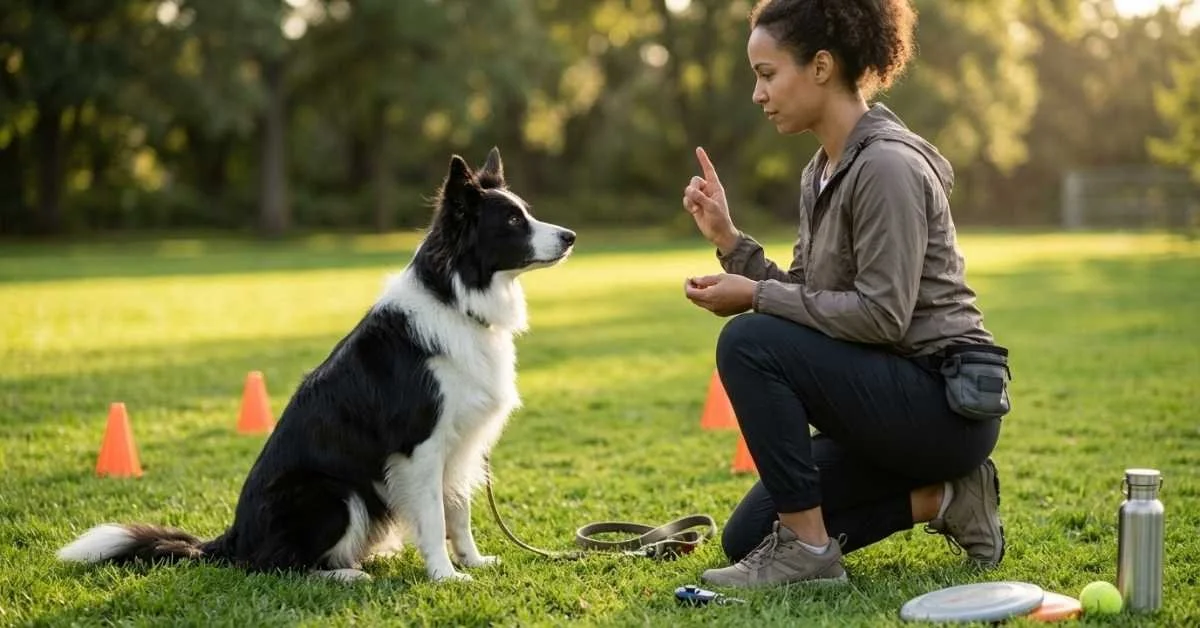
Dogs like Border Collies, Huskies, Australian Shepherds, and German Shepherds were bred to work. They thrive on activity.
Without enough movement, they often become restless, vocal, or destructive. As adults, these breeds may eventually need up to two hours of activity a day.
During puppyhood, start slow with short walks, games, and consistent training to manage their energy safely.
Calm Breeds with Lower Activity Needs
How much exercise does a puppy need if it’s a low-energy or small breed?
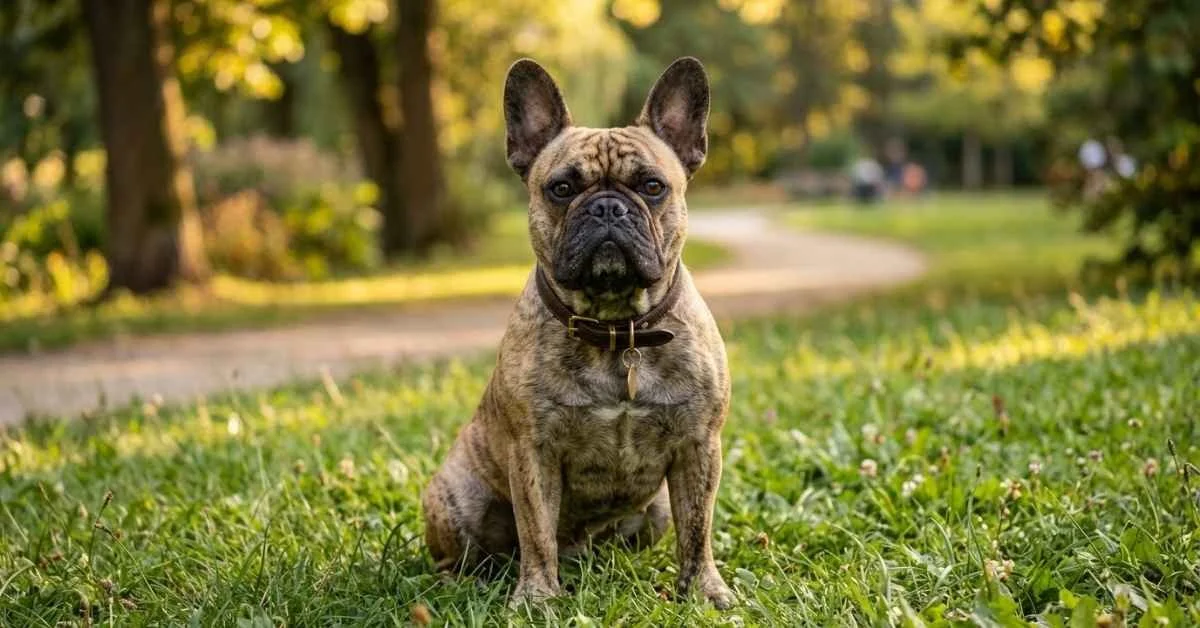
Breeds like Pugs, Bulldogs, and Shih Tzus require much less. Around 20–40 minutes daily, broken into short spurts, is often sufficient.
Avoid overexertion. These dogs tire easily and may be prone to heat sensitivity or respiratory issues, especially in warmer climates.
The ASPCA’s general dog care guide advises paying close attention to breed-specific energy levels and adjusting routines accordingly.
Safe Types of Puppy Exercise

Short Walks and Outdoor Time
How much exercise does a puppy need through walking?
Start with 5–15 minute leash walks on soft ground. Avoid stairs, steep inclines, and pavement that can overheat or cause strain.
Make walks fun by letting your puppy sniff and explore. Don’t rush. Leash training and exposure to sounds and smells are more valuable than mileage.
The AKC recommends focusing on positive, slow-paced walks until the puppy fully matures.
Indoor Play and Puzzle Toys
How much exercise does a puppy need indoors?
When the weather is bad or vaccinations aren’t complete, indoor play is key. Use safe fetch games, chew toys, and short chase sessions.
Interactive puzzle toys or slow-feeders challenge your puppy’s brain, which is just as tiring as physical movement. American Kennel Club
Mental stimulation can reduce unwanted chewing, barking, and jumping by giving your pup a job.
Training Sessions Count Too
How much exercise does a puppy need through learning?
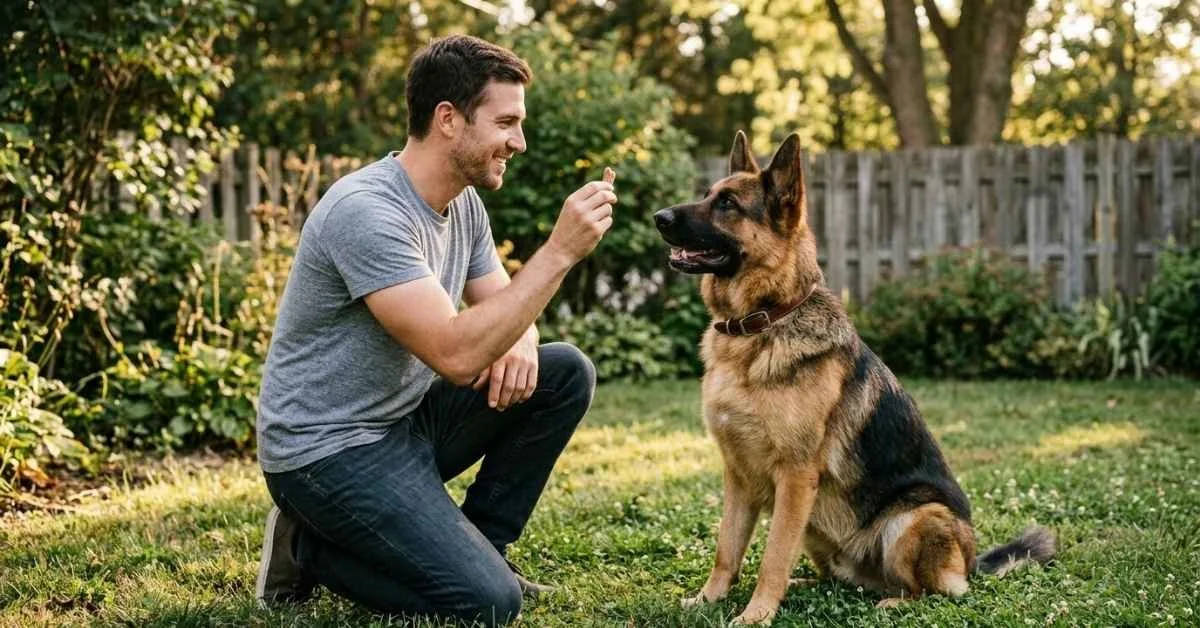
Short training sessions (5–10 minutes) are productive and tiring. Commands like “sit,” “stay,” “leave it,” and “come” build focus and strengthen your bond.
Training also sets the foundation for impulse control and behaviour. Use positive reinforcement and end on a happy note.
According to PetMD’s puppy behaviour experts, incorporating obedience into daily routines helps burn energy safely.
Signs Your Puppy Is Getting Too Much Exercise

Overexertion and Growth Plate Risks
How much exercise does a puppy need before it’s too much?
Puppies don’t always know when to stop. Overdoing it can cause limpness, soreness, or joint damage.
Puppies are vulnerable to growth plate injuries until 12–18 months, depending on breed. Avoid high jumps, stairs, or long hikes.
Watch for signs like:
- Sudden tiredness
- Reluctance to move
- Limping after play
- Swollen joints
Always allow time for naps and recovery between play sessions.
When to Slow Down or See a Vet
How much exercise does a puppy need before taking a break?
If your puppy resists walking, limps, or seems unusually sore, stop and allow complete rest.
If signs persist beyond 24 hours, schedule a vet visit. Joint swelling, fatigue, or overheating should never be ignored.
Puppies don’t have the muscle tone or body awareness to self-regulate like adult dogs.
Sample Daily Exercise Schedule for Puppies

Here’s a sample plan for a 4-month-old puppy:
Morning:
- 10-minute leash walk on soft ground
- 10 minutes of indoor play with a soft toy
Afternoon:
- 5-minute training session (“sit,” “down,” “stay”)
- 10 minutes with a puzzle toy
Evening:
- 10-minute leash walk
- 10 minutes of tug or chase inside
This structure totals around one hour of activity, spaced out to prevent overexertion. Always provide water and nap breaks.
Increase or reduce time based on your puppy’s mood, health, and breed.
Final Tips to Keep Your Puppy Healthy and Happy

How much exercise does a puppy need overall? Enough to keep them physically fit, mentally sharp, and emotionally balanced — without overdoing it.
Key reminders:
- Follow age-appropriate guidelines
- Watch for signs of exhaustion
- Mix mental and physical stimulation
- Don’t force activities
- Always end sessions on a calm note
Each puppy is different. What works for one breed may not suit another. Adjust based on size, breed, energy level, and advice from your vet.
Conclusion
How much exercise does a puppy need? The answer depends on age, breed, and energy level. Start slow, keep play sessions short, and focus on building good habits. A well-exercised puppy is a happier, healthier dog—and a joy to live with.
For more expert-backed training and care tips, visit our full guide at pawsnpup.com/mastering-dog-training-basics-guide
FAQ’S
Q1. How often should a puppy go outside?
Every 2–4 hours, plus after meals, naps, and play. Outdoor time helps with training and energy release.
Q2. Can I take my puppy jogging?
No. Puppies aren’t built for jogging. Wait until they are 12–18 months old and get veterinary approval before starting.
Q3. What is the 5-minute rule?
Multiply your puppy’s age in months by 5. That’s the number of minutes per session they can safely exercise, twice a day.
Q4. Is mental stimulation enough on rest days?
Yes. Puzzle games, short training sessions, and scent activities provide brain work without strain.
Q5. When is it safe to visit dog parks?
After complete vaccinations and when your puppy responds reliably to commands, usually around 16 weeks.
Looking for more dog inspiration? Click here to explore more pawsome content.